THE ADVENTURE COLLECTIVE® · Independent discovery and booking for outdoor travel

A compact four-day safari from Nairobi that pairs Amboseli’s elephant-rich wetlands with Tsavo West’s Mzima Springs and Tsavo East’s expansive plains. Expect Kilimanjaro views, game drives at dawn and dusk, and lodge-based comfort.
A compact four-day safari from Nairobi that pairs Amboseli’s elephant-rich wetlands with Tsavo West’s Mzima Springs and Tsavo East’s expansive plains. Expect Kilimanjaro views, game drives at dawn and dusk, and lodge-based comfort.
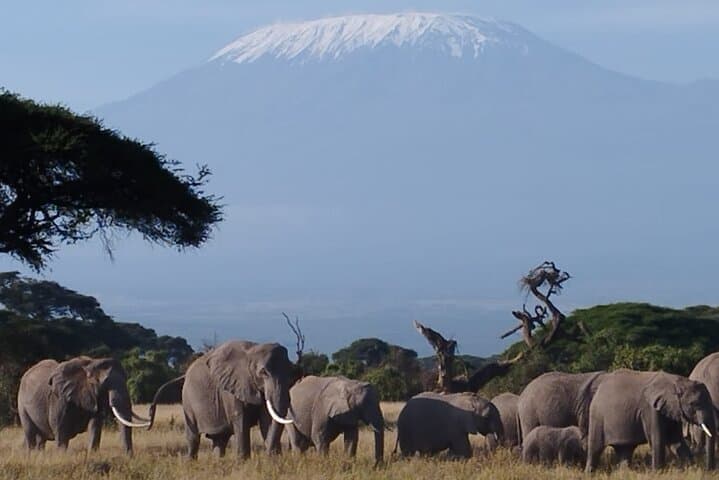
The first light finds the land slow and wide — dust rising from the track as a safari vehicle slips past acacia silhouettes, Kilimanjaro’s snowy crown looming on the horizon when clouds allow. This four-day loop moves from Nairobi into Amboseli’s swamp-fed plains, then east through the volcanic rock and springs of Tsavo West before tracking across the open scrub of Tsavo East.
Verified experiences and guided adventures in the surrounding area.
Operated by Green Places Adventures · Nairobi, Nairobi County
The first light finds the land slow and wide — dust rising from the track as a safari vehicle slips past acacia silhouettes, Kilimanjaro’s snowy crown looming on the horizon when clouds allow. This four-day loop moves from Nairobi into Amboseli’s swamp-fed plains, then east through the volcanic rock and springs of Tsavo West before tracking across the open scrub of Tsavo East.
Amboseli’s low-lying wetlands and papyrus beds concentrate elephants and hippos; the park’s history is bound to Maasai pastoralism and later formal protection that opened the area to visitors. Tsavo West carries lava flows and the underground springs at Mzima, whose clear pools host hippo and crocodile life beneath visiting kingfishers and herons. Geology here is blunt — old lava, riverine sediment, and the long shadow of Kilimanjaro across the floor of northern Tanzania.
Culturally, expect Masai presence on the park edges and lodges that blend local hospitality with safari logistics. Conservation efforts center on rhino protection and community conservancies that link wildlife corridors to village benefits.
Practically: days are driven and game-focused — mornings and late afternoons are prime viewing. Bring neutral clothing for heat and dust, a telephoto lens or good binoculars, and sunscreen; your lodge handles meals and basics. Malaria precautions and up-to-date travel documents are standard. Pack light for transfers, be ready for bumpy roads, and time your window-seat naps for the long drives — the wildlife will reward the early starts.
easy.
4 days.
Suitable for travelers in average fitness — involves long vehicle hours and short walks; minimal hiking required.
The dry months (June–September and January–February) typically offer easier wildlife viewing as animals concentrate around water, though Kilimanjaro visibility improves in the dry season too.
This specific tour notes wheelchair-accessible transportation and surfaces, but confirm accessibility details with the operator and your lodge prior to booking.
Yellow fever vaccination may be required if arriving from certain countries; malaria is present — consult a travel clinic for recommended prophylaxis and routine vaccinations.
Game drives follow park rules and vehicle-based viewing keeps a safe distance; sightings can be very close for habituated species like elephants when conditions allow, but interactions are controlled for safety.
Amboseli has long been Maasai grazing land; formal park status and later conservation programs protected migratory routes and established tourism as a local livelihood.
Anti-poaching units and community conservancies support rhino and elephant protection; visitors are encouraged to minimize waste, respect park rules, and support local guides.
Green Places Adventures operates guided outdoor trips and adventures with an emphasis on safety, stewardship, and memorable experiences.
The first light finds the land slow and wide — dust rising from the track as a safari vehicle slips past acacia silhouettes, Kilimanjaro’s snowy crown looming on the horizon when clouds allow. This four-day loop moves from Nairobi into Amboseli’s swamp-fed plains, then east through the volcanic rock and springs of Tsavo West before tracking across the open scrub of Tsavo East.
The first light finds the land slow and wide — dust rising from the track as a safari vehicle slips past acacia silhouettes, Kilimanjaro’s snowy crown looming on the horizon when clouds allow. This four-day loop moves from Nairobi into Amboseli’s swamp-fed plains, then east through the volcanic rock and springs of Tsavo West before tracking across the open scrub of Tsavo East.
Amboseli’s low-lying wetlands and papyrus beds concentrate elephants and hippos; the park’s history is bound to Maasai pastoralism and later formal protection that opened the area to visitors. Tsavo West carries lava flows and the underground springs at Mzima, whose clear pools host hippo and crocodile life beneath visiting kingfishers and herons. Geology here is blunt — old lava, riverine sediment, and the long shadow of Kilimanjaro across the floor of northern Tanzania.
Culturally, expect Masai presence on the park edges and lodges that blend local hospitality with safari logistics. Conservation efforts center on rhino protection and community conservancies that link wildlife corridors to village benefits.
Practically: days are driven and game-focused — mornings and late afternoons are prime viewing. Bring neutral clothing for heat and dust, a telephoto lens or good binoculars, and sunscreen; your lodge handles meals and basics. Malaria precautions and up-to-date travel documents are standard. Pack light for transfers, be ready for bumpy roads, and time your window-seat naps for the long drives — the wildlife will reward the early starts.