THE ADVENTURE COLLECTIVE® · Independent discovery and booking for outdoor travel

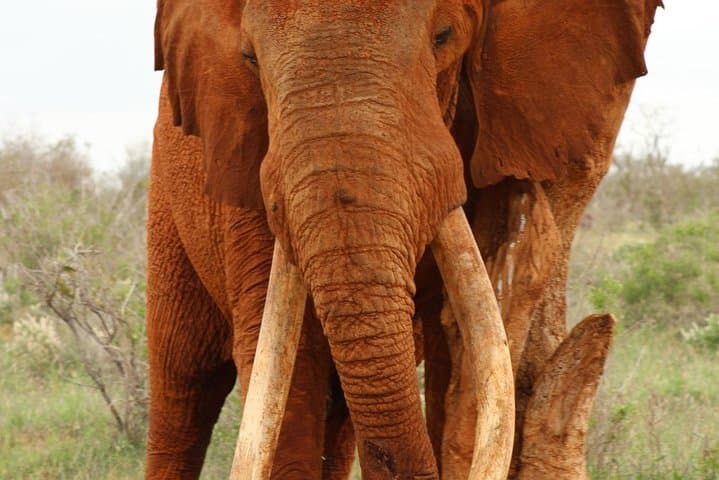
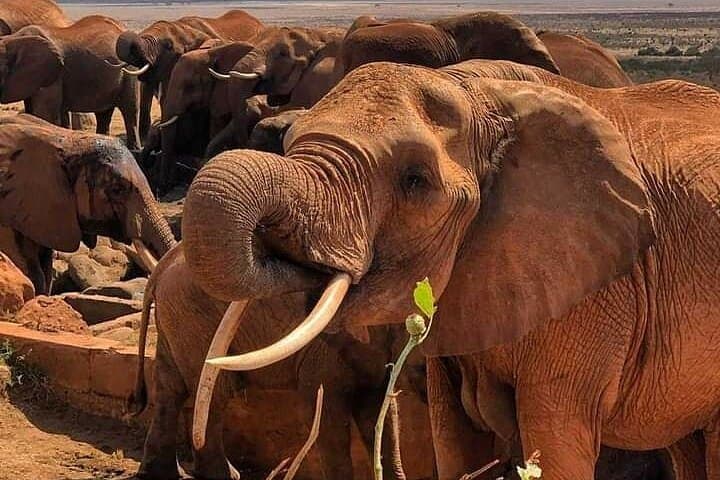
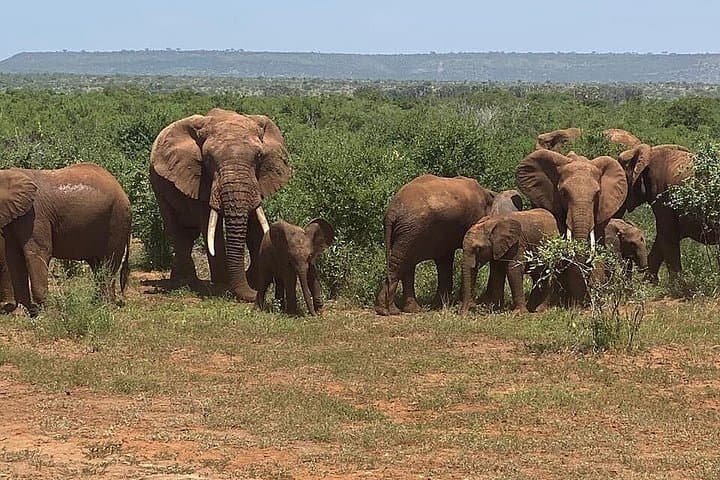
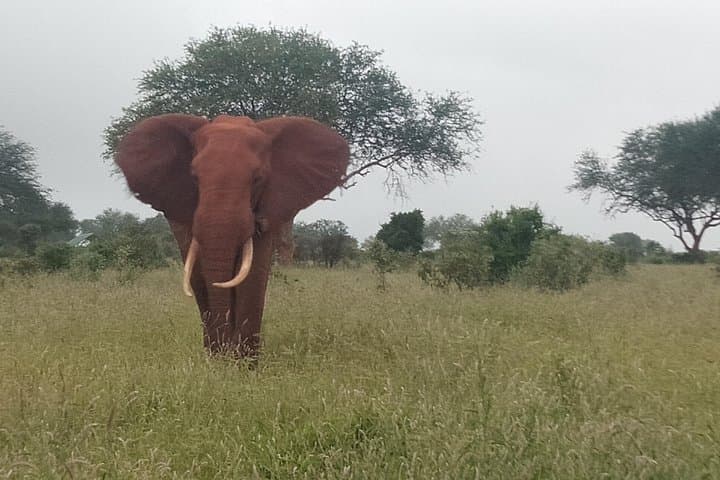
Four days of driven safaris across the Rift Valley take you from Lake Nakuru’s flamingoes to Amboseli’s Kilimanjaro views and the red plains of Tsavo. Expect long drives, concentrated game around water, and high chances to see rhinos and elephants.
Four days of driven safaris across the Rift Valley take you from Lake Nakuru’s flamingoes to Amboseli’s Kilimanjaro views and the red plains of Tsavo. Expect long drives, concentrated game around water, and high chances to see rhinos and elephants.
The sun is low over a flat horizon and Mount Kilimanjaro's silhouette watches the convoy inch across open plain — acacia crowns slicing the sky as dust rolls behind the safari vehicle. In four days you trace the Rift Valley’s spine from Nairobi to Lake Nakuru, push south toward Amboseli’s sweeping plains and finish in the vast red-tinged savannas of Tsavo West and Tsavo East.
Verified experiences and guided adventures in the surrounding area.
Operated by KT & Safaris · Nairobi, Nairobi County
The sun is low over a flat horizon and Mount Kilimanjaro's silhouette watches the convoy inch across open plain — acacia crowns slicing the sky as dust rolls behind the safari vehicle. In four days you trace the Rift Valley’s spine from Nairobi to Lake Nakuru, push south toward Amboseli’s sweeping plains and finish in the vast red-tinged savannas of Tsavo West and Tsavo East.
Geology and human history shape the route: the Great Rift Valley creates the long escarpments and alkaline lakes where flamingoes cluster; volcanic soils and seasonal rivers carve watering holes that concentrate wildlife. Maasai communities continue pastoral traditions on park boundaries, and colonial-era conservation efforts evolved into modern anti-poaching programs that now protect black rhino and elephant populations across these parks.
Expect terrain that shifts daily — compacted dirt tracks, riverine forest bands, scrubby acacia plains and occasional rocky outcrops. Drives between parks take several hours (Nairobi to Lake Nakuru is roughly a 3–4 hour drive; Amboseli and Tsavo legs involve full-day transfers), with game drives timed for dawn and late afternoon when animals are most active.
Practical guidance: travel light but bring strong binoculars and layered clothing for cool mornings. Hydrate on long drives, carry anti-malarial precautions, and plan for early starts — sightings cluster around waterholes at first light. Photography benefits from a 200–400mm lens; binoculars are invaluable when lions are hidden in long grass. Respect park rules, keep windows partly closed when predators are near, and tip local guides who make the sightings happen.
easy.
4 days.
Suitable for travelers comfortable with long vehicle drives and short, flat walks at lodges; minimal hiking required.
Lake Nakuru and parts of Tsavo have healthy rhino populations; private-safari routing and early game drives increase your chances, and operators sometimes advertise high probabilities based on recent sightings.
Yes — expect multiple full-day transfers; Nairobi to Lake Nakuru is about 3–4 hours by road, and legs to Amboseli and Tsavo are longer, so prepare for seated travel time.
This itinerary notes wheelchair-accessible transportation and surfaces, but accessibility within lodges and vehicle boarding can vary — confirm specifics with the operator before booking.
International travelers should check Kenya entry visa rules and consult a travel health clinic for recommended vaccinations and malaria prevention based on current guidelines.
The route follows the Great Rift Valley, a geologic rift that shaped East Africa’s lakes and plains; Maasai pastoralists have lived along park borders for generations.
Parks here are active in anti-poaching and rhino protection programs; visitors support conservation by following park rules and using reputable operators.
KT & Safaris operates guided outdoor trips and adventures with an emphasis on safety, stewardship, and memorable experiences.
The sun is low over a flat horizon and Mount Kilimanjaro's silhouette watches the convoy inch across open plain — acacia crowns slicing the sky as dust rolls behind the safari vehicle. In four days you trace the Rift Valley’s spine from Nairobi to Lake Nakuru, push south toward Amboseli’s sweeping plains and finish in the vast red-tinged savannas of Tsavo West and Tsavo East.
The sun is low over a flat horizon and Mount Kilimanjaro's silhouette watches the convoy inch across open plain — acacia crowns slicing the sky as dust rolls behind the safari vehicle. In four days you trace the Rift Valley’s spine from Nairobi to Lake Nakuru, push south toward Amboseli’s sweeping plains and finish in the vast red-tinged savannas of Tsavo West and Tsavo East.
Geology and human history shape the route: the Great Rift Valley creates the long escarpments and alkaline lakes where flamingoes cluster; volcanic soils and seasonal rivers carve watering holes that concentrate wildlife. Maasai communities continue pastoral traditions on park boundaries, and colonial-era conservation efforts evolved into modern anti-poaching programs that now protect black rhino and elephant populations across these parks.
Expect terrain that shifts daily — compacted dirt tracks, riverine forest bands, scrubby acacia plains and occasional rocky outcrops. Drives between parks take several hours (Nairobi to Lake Nakuru is roughly a 3–4 hour drive; Amboseli and Tsavo legs involve full-day transfers), with game drives timed for dawn and late afternoon when animals are most active.
Practical guidance: travel light but bring strong binoculars and layered clothing for cool mornings. Hydrate on long drives, carry anti-malarial precautions, and plan for early starts — sightings cluster around waterholes at first light. Photography benefits from a 200–400mm lens; binoculars are invaluable when lions are hidden in long grass. Respect park rules, keep windows partly closed when predators are near, and tip local guides who make the sightings happen.