THE ADVENTURE COLLECTIVE® · Independent discovery and booking for outdoor travel

A four-day boat-and-hike expedition from Iquitos that blends river travel, day hikes and night safaris through blackwater creeks and oxbow lakes. See caimans, hoatzin, sloths and village life while staying in a riverside jungle lodge.
A four-day boat-and-hike expedition from Iquitos that blends river travel, day hikes and night safaris through blackwater creeks and oxbow lakes. See caimans, hoatzin, sloths and village life while staying in a riverside jungle lodge.
Dawn comes soft and humid on the Amazon as a fast boat slips away from Iquitos and the city shrinks into a wall of green. The river opens, brown and wide, and the lodge appears like a quiet pause between waterways — a basecamp for boats, night walks and long hikes beneath a living canopy.
Verified experiences and guided adventures in the surrounding area.
Operated by Bamba Travel · Iquitos, Loreto
Dawn comes soft and humid on the Amazon as a fast boat slips away from Iquitos and the city shrinks into a wall of green. The river opens, brown and wide, and the lodge appears like a quiet pause between waterways — a basecamp for boats, night walks and long hikes beneath a living canopy.
This region sits on the vast alluvial plain of the Upper Amazon, where rivers have built a flat landscape of blackwater creeks and oxbow lakes. Indigenous communities along the Yanayacu and Tahuayo rivers have long combined fishing, handicrafts and selective small-scale agriculture; guides often share local stories about medicinal plants like cat's claw and the cultural role of the ceiba tree.
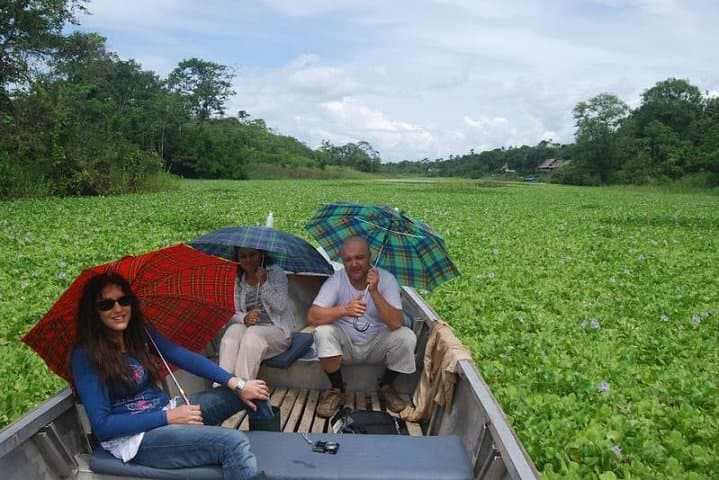
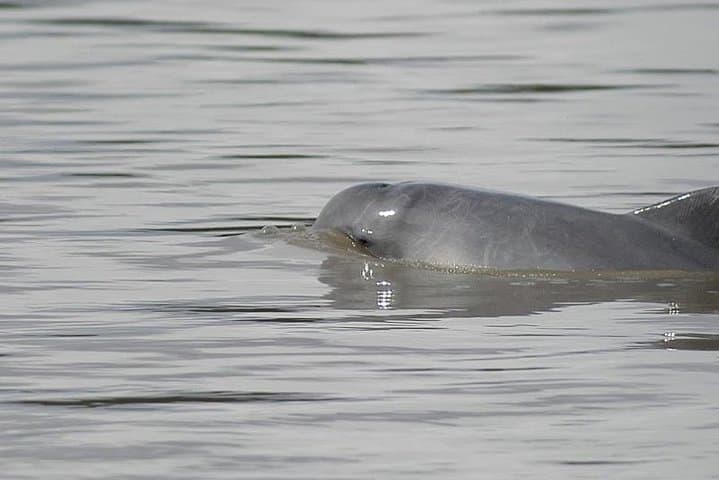
Expect wildlife at every hour: bird flocks on lake edges, pair-bonded hoatzins in tangled vines, sleepy sloths on branch arms and the echoing call of howler monkeys. Geology is subtle here — ancient sediments create acidic blackwater channels that host unique aquatic plants like Victoria regia and specialized fish such as piranha.
Practicalities are straightforward. Accommodation is in a jungle lodge accessed by a three-hour boat from Iquitos; boats are the primary transport, and space for large luggage is limited. Pack lightweight, long-sleeved clothing, reliable rubber boots (available to rent in Iquitos), sunscreen, and a headlamp for night walks. Bring binoculars and a small dry bag for camera gear. Malaria prophylaxis and routine vaccinations are recommended — check with your travel clinic.
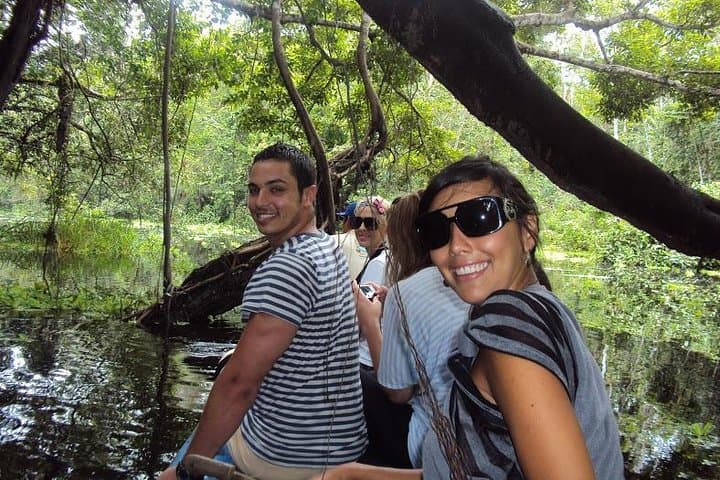
Timing matters: mornings and late afternoons are best for wildlife viewing; nights reveal frogs, tarantulas and caimans on quiet canoe rides. Plan flights to/from Iquitos around the itinerary: the return trip requires an afternoon or evening departure.
moderate.
4 days.
Suitable for travelers in reasonable shape able to complete a 5-hour guided jungle hike over uneven terrain and do short boat transfers.
Consult a travel clinic — routine vaccinations and malaria prophylaxis are commonly recommended for Amazon travel depending on your itinerary and health history.
No — most lodges and trails near Muyuna have no reliable cell coverage; plan for offline maps and inform contacts of limited connectivity.
No — for safety and conservation reasons you should not touch or feed wildlife; guides will advise on safe viewing distances.
Space on boats is limited; bring a small daypack for the boat and leave large suitcases at the Iquitos office as recommended by the operator.
Indigenous communities along these rivers have relied on fishing and small-scale agriculture for generations; many villages still practice traditional handicrafts from seeds and vegetable ivory.
The area faces pressures from illegal logging and overfishing; choose operators that support local communities and follow Leave No Trace practices to reduce impact.
Bamba Travel operates guided outdoor trips and adventures with an emphasis on safety, stewardship, and memorable experiences.
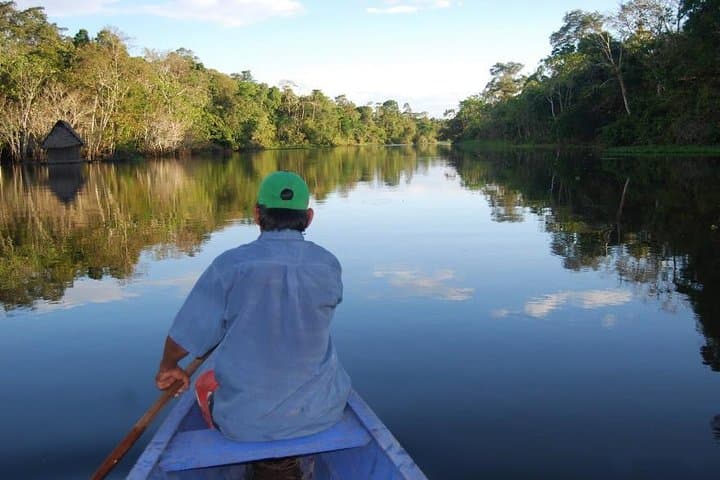
Dawn comes soft and humid on the Amazon as a fast boat slips away from Iquitos and the city shrinks into a wall of green. The river opens, brown and wide, and the lodge appears like a quiet pause between waterways — a basecamp for boats, night walks and long hikes beneath a living canopy.
Dawn comes soft and humid on the Amazon as a fast boat slips away from Iquitos and the city shrinks into a wall of green. The river opens, brown and wide, and the lodge appears like a quiet pause between waterways — a basecamp for boats, night walks and long hikes beneath a living canopy.
This region sits on the vast alluvial plain of the Upper Amazon, where rivers have built a flat landscape of blackwater creeks and oxbow lakes. Indigenous communities along the Yanayacu and Tahuayo rivers have long combined fishing, handicrafts and selective small-scale agriculture; guides often share local stories about medicinal plants like cat's claw and the cultural role of the ceiba tree.
Expect wildlife at every hour: bird flocks on lake edges, pair-bonded hoatzins in tangled vines, sleepy sloths on branch arms and the echoing call of howler monkeys. Geology is subtle here — ancient sediments create acidic blackwater channels that host unique aquatic plants like Victoria regia and specialized fish such as piranha.
Practicalities are straightforward. Accommodation is in a jungle lodge accessed by a three-hour boat from Iquitos; boats are the primary transport, and space for large luggage is limited. Pack lightweight, long-sleeved clothing, reliable rubber boots (available to rent in Iquitos), sunscreen, and a headlamp for night walks. Bring binoculars and a small dry bag for camera gear. Malaria prophylaxis and routine vaccinations are recommended — check with your travel clinic.
Timing matters: mornings and late afternoons are best for wildlife viewing; nights reveal frogs, tarantulas and caimans on quiet canoe rides. Plan flights to/from Iquitos around the itinerary: the return trip requires an afternoon or evening departure.