THE ADVENTURE COLLECTIVE® · Independent discovery and booking for outdoor travel

Combine Akagera’s lakes and savanna with an intimate gorilla trek in Bwindi and a serene boat tour on Lake Bunyonyi. This four-day route pairs big-game viewing with one of the world’s most iconic wildlife encounters.
Combine Akagera’s lakes and savanna with an intimate gorilla trek in Bwindi and a serene boat tour on Lake Bunyonyi. This four-day route pairs big-game viewing with one of the world’s most iconic wildlife encounters.
Dawn paints the eastern escarpment gold as you cross from Kigali toward Akagera’s broad floodplains, then follow forested ridgelines into the steep green of Bwindi. In Akagera the savanna breathes around her lakes—hips surface with a snort, fish eagles quarter the sky—before the route climbs and the trees close in, their trunks dripping with lichen and history.
Verified experiences and guided adventures in the surrounding area.
Operated by Frena Adventures · Buhoma, Kanungu District
Dawn paints the eastern escarpment gold as you cross from Kigali toward Akagera’s broad floodplains, then follow forested ridgelines into the steep green of Bwindi. In Akagera the savanna breathes around her lakes—hips surface with a snort, fish eagles quarter the sky—before the route climbs and the trees close in, their trunks dripping with lichen and history.
Geology and history explain the contrast: Akagera sits on Rwanda’s rift-valley edge, shaped by lakes and old volcanic flows; Bwindi is an ancient montane rainforest, one of Africa’s last refuges for mountain gorillas and a UNESCO World Heritage site. Local Bakiga and Batwa communities hold stories tied to the forest and islands of Lake Bunyonyi—whose terraced hills and hundreds of islets earned it the name “place of little birds.”
Expect variety: early-morning game drives and a canoe on Lake Ihema, a full-day gorilla trek that can take 2–8 hours on steep, muddy trails, and a restorative boat circuit around Bunyonyi’s islands. Guides brief groups on strict viewing rules—no touching, quiet behavior, and short, regulated observation time.
Practical edge: pack waterproof boots, quick-dry layers, insect repellent and gaiters; trekking poles help on slippery slopes. Travel involves border formalities crossing into Uganda and long transfers—plan for early starts and flexible timing. Book gorilla permits well in advance and build recovery time after the trek; the memory of a silverback’s calm gaze and the long green quiet of Bwindi make the logistics worthwhile.
challenging.
4 days.
Moderately fit to fit; participants should handle several hours of hiking on uneven, sometimes steep terrain.
Most travelers must clear border formalities and may need a visa for Uganda—check nationality-specific requirements and allow time at the border during transfers.
Gorilla tracking ranges from about 2 to 8 hours depending on the group’s movements; guides will brief you each morning on expected duration.
Permits are required and typically must be confirmed at booking; verify with your operator whether the permit fee is included in your package.
Tracking is physically demanding and not recommended for travelers with serious back or heart conditions; children policies vary—confirm age minimums with your operator.
Bwindi’s forest is ancient—older than surrounding volcanic landscapes—and was designated a UNESCO World Heritage site for its unique biodiversity; Lake Bunyonyi has long been part of Bakiga cultural life.
Gorilla tourism is tightly regulated—limited permits, strict viewing rules and community-revenue programs help protect habitats and support local livelihoods; stay on trails and follow guide instructions to minimize impact.
Frena Adventures operates guided outdoor trips and adventures with an emphasis on safety, stewardship, and memorable experiences.
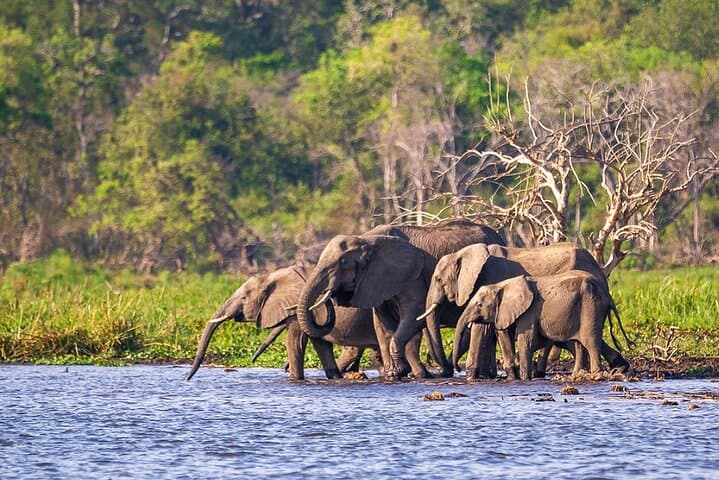
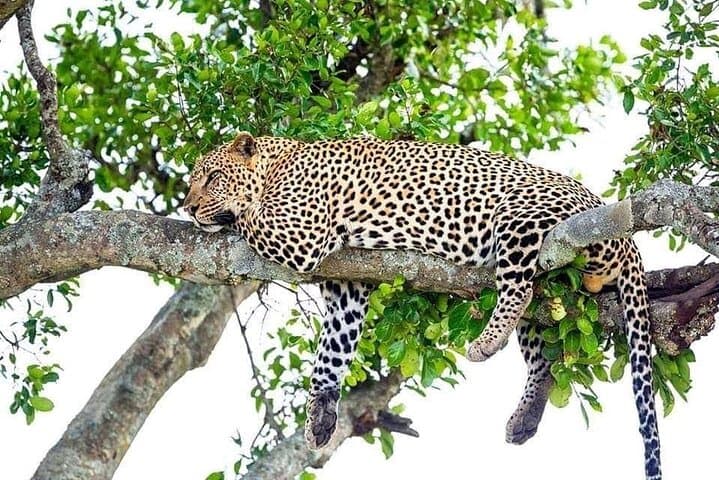
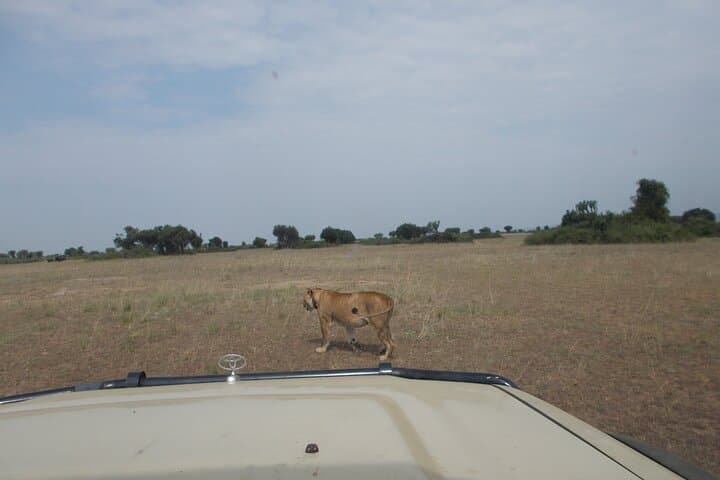

Dawn paints the eastern escarpment gold as you cross from Kigali toward Akagera’s broad floodplains, then follow forested ridgelines into the steep green of Bwindi. In Akagera the savanna breathes around her lakes—hips surface with a snort, fish eagles quarter the sky—before the route climbs and the trees close in, their trunks dripping with lichen and history.
Dawn paints the eastern escarpment gold as you cross from Kigali toward Akagera’s broad floodplains, then follow forested ridgelines into the steep green of Bwindi. In Akagera the savanna breathes around her lakes—hips surface with a snort, fish eagles quarter the sky—before the route climbs and the trees close in, their trunks dripping with lichen and history.
Geology and history explain the contrast: Akagera sits on Rwanda’s rift-valley edge, shaped by lakes and old volcanic flows; Bwindi is an ancient montane rainforest, one of Africa’s last refuges for mountain gorillas and a UNESCO World Heritage site. Local Bakiga and Batwa communities hold stories tied to the forest and islands of Lake Bunyonyi—whose terraced hills and hundreds of islets earned it the name “place of little birds.”
Expect variety: early-morning game drives and a canoe on Lake Ihema, a full-day gorilla trek that can take 2–8 hours on steep, muddy trails, and a restorative boat circuit around Bunyonyi’s islands. Guides brief groups on strict viewing rules—no touching, quiet behavior, and short, regulated observation time.
Practical edge: pack waterproof boots, quick-dry layers, insect repellent and gaiters; trekking poles help on slippery slopes. Travel involves border formalities crossing into Uganda and long transfers—plan for early starts and flexible timing. Book gorilla permits well in advance and build recovery time after the trek; the memory of a silverback’s calm gaze and the long green quiet of Bwindi make the logistics worthwhile.