THE ADVENTURE COLLECTIVE® · Independent discovery and booking for outdoor travel

Board the 360° carriage and ride the Sacred Valley’s most panoramic rail to Machu Picchu Pueblo. Expect open-air views, regional snacks, and a direct introduction to the terrain and culture that surround the citadel.
Board the 360° carriage and ride the Sacred Valley’s most panoramic rail to Machu Picchu Pueblo. Expect open-air views, regional snacks, and a direct introduction to the terrain and culture that surround the citadel.
You step onto the 360° carriage as the valley breathes out beneath you — terraced slopes slide past, rivers braid and unclench, and the Andes push the horizon into jagged geometry. The carriage’s open-air observatory invites the mountain air; conversations hush as the Sacred Valley unfurls like a living map.
Verified experiences and guided adventures in the surrounding area.
Operated by INCA RAIL · Aguas Calientes, Cusco
You step onto the 360° carriage as the valley breathes out beneath you — terraced slopes slide past, rivers braid and unclench, and the Andes push the horizon into jagged geometry. The carriage’s open-air observatory invites the mountain air; conversations hush as the Sacred Valley unfurls like a living map.
The line follows routes shaped by Inca and colonial movement: tracks that thread Inca trailheads and colonial towns, running alongside gorges carved by the Urubamba River. Geologically, the train traverses folded volcanic and sedimentary formations where steep erosion reveals the region’s uplifted history. Culturally, the journey converges Quechua villages, markets, and roadside chapels — you’ll see local produce and hear the cadence of Andean Spanish and Quechua in station stops.
On arrival at Machu Picchu Pueblo (Aguas Calientes), the citadel’s stone architecture and water channels reflect a precision built without mortar, sited where geology and ritual meet. The train is as much access as an introduction: panoramic windows, an observatory car, snacks with local ingredients, and live music set a tone before the climb to the ruins.
Practical guidance: book your preferred schedule early (seating and permits sell fast), travel light for the bus or hike up to the citadel, and use layered clothing — mountain weather changes quickly. Keep passport and permits handy for checkpoint checks, bring small change for market stalls and onboard purchases, and allow extra time for photo stops and immigration procedures if traveling from outside Peru.
easy.
2–4 hours (one-way service variable).
Suitable for travelers of most fitness levels; minimal exertion required for the train segment but moderate walking may be required at stations and at Machu Picchu.
The train gets you to Machu Picchu Pueblo; you still need a separate Machu Picchu entrance ticket and, depending on your plan, a bus or hike from the town to the citadel.
The 360° service features a dedicated observatory car with open-air sections and large panoramic windows—some areas remain enclosed for comfort and safety.
Carry-on and small backpacks are permitted; larger luggage should be checked with your operator or stored at your hotel in Cusco or Ollantaytambo before boarding.
Yes — the service includes regional snacks, bottled water, and non-alcoholic hot/cold drinks; alcoholic beverages and additional items are usually available for purchase.
The rail corridor follows routes that linked Inca routes with later colonial paths; the modern line opened in the 20th century to connect Cusco with the citadel via Aguas Calientes.
The region limits visitor numbers at Machu Picchu to protect fragile stonework and trails; consider carbon-conscious travel choices and avoid single-use plastics to reduce local impacts.
INCA RAIL operates guided outdoor trips and adventures with an emphasis on safety, stewardship, and memorable experiences.
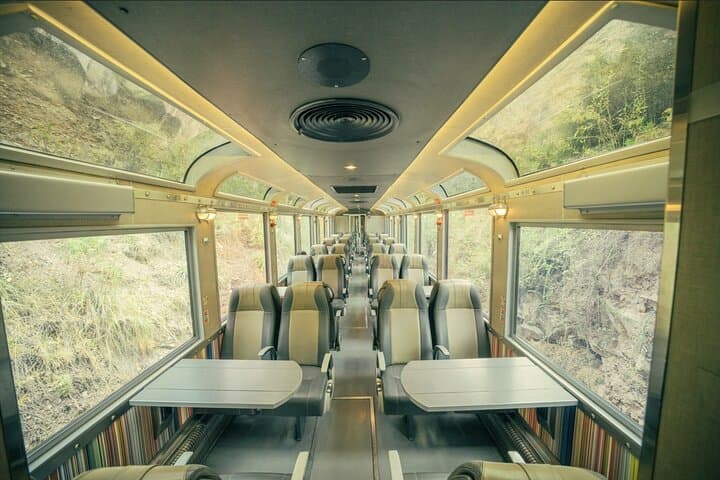
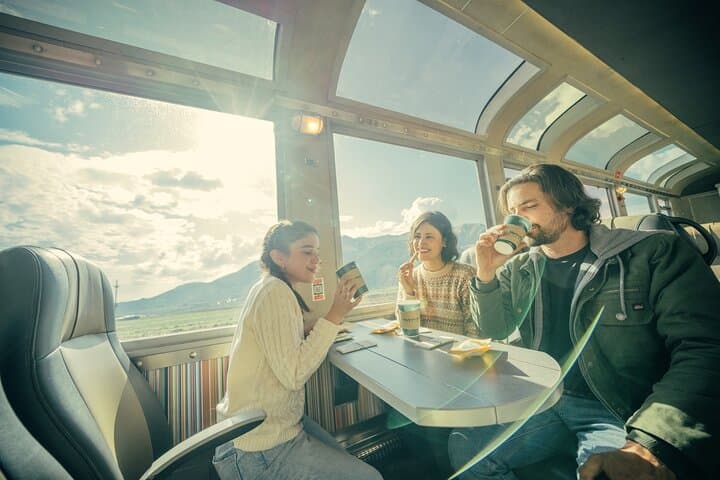
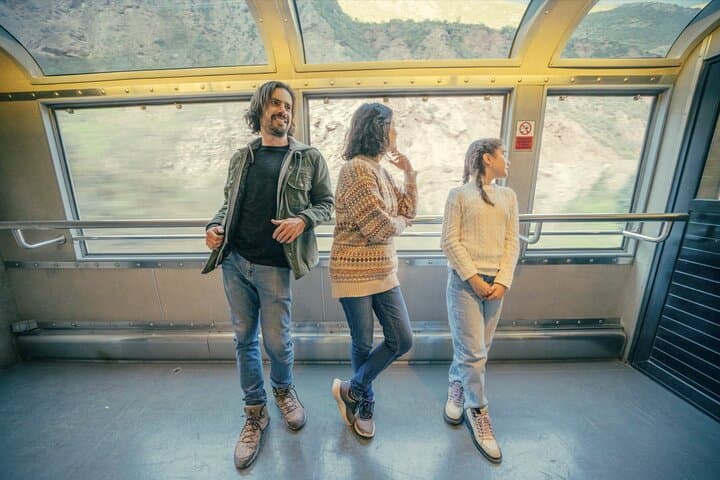
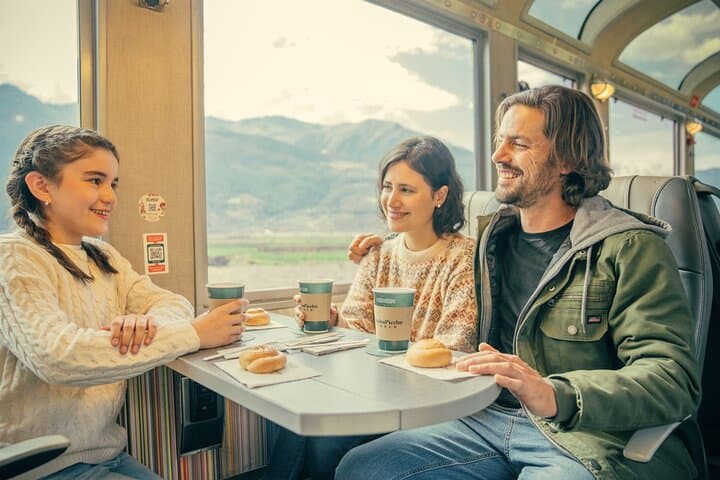
You step onto the 360° carriage as the valley breathes out beneath you — terraced slopes slide past, rivers braid and unclench, and the Andes push the horizon into jagged geometry. The carriage’s open-air observatory invites the mountain air; conversations hush as the Sacred Valley unfurls like a living map.
You step onto the 360° carriage as the valley breathes out beneath you — terraced slopes slide past, rivers braid and unclench, and the Andes push the horizon into jagged geometry. The carriage’s open-air observatory invites the mountain air; conversations hush as the Sacred Valley unfurls like a living map.
The line follows routes shaped by Inca and colonial movement: tracks that thread Inca trailheads and colonial towns, running alongside gorges carved by the Urubamba River. Geologically, the train traverses folded volcanic and sedimentary formations where steep erosion reveals the region’s uplifted history. Culturally, the journey converges Quechua villages, markets, and roadside chapels — you’ll see local produce and hear the cadence of Andean Spanish and Quechua in station stops.
On arrival at Machu Picchu Pueblo (Aguas Calientes), the citadel’s stone architecture and water channels reflect a precision built without mortar, sited where geology and ritual meet. The train is as much access as an introduction: panoramic windows, an observatory car, snacks with local ingredients, and live music set a tone before the climb to the ruins.
Practical guidance: book your preferred schedule early (seating and permits sell fast), travel light for the bus or hike up to the citadel, and use layered clothing — mountain weather changes quickly. Keep passport and permits handy for checkpoint checks, bring small change for market stalls and onboard purchases, and allow extra time for photo stops and immigration procedures if traveling from outside Peru.