THE ADVENTURE COLLECTIVE® · Independent discovery and booking for outdoor travel

Step onto the Floating Garden and take in uninterrupted, 360° views of Osaka from the Umeda Sky Building. This concise guide explains what to expect, why the observatory matters, and how to plan your visit for sunset or night panoramas.
Step onto the Floating Garden and take in uninterrupted, 360° views of Osaka from the Umeda Sky Building. This concise guide explains what to expect, why the observatory matters, and how to plan your visit for sunset or night panoramas.
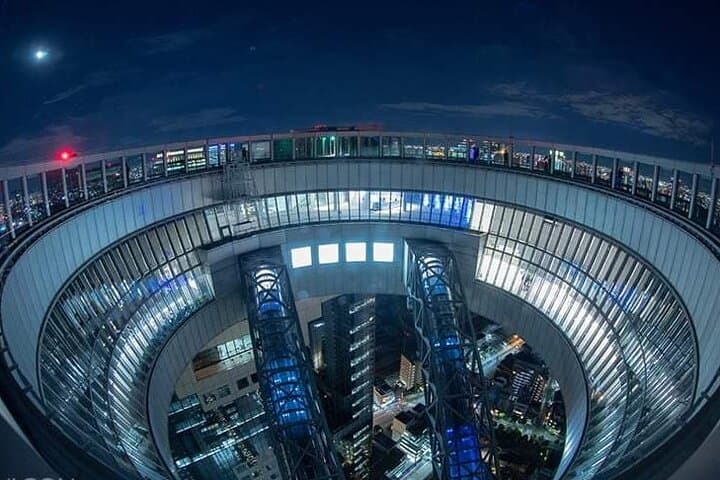
The air on the open-air rooftop tastes of city—cooler at dusk, carrying the distant glow of Osaka’s neon veins. From the Kuchu Teien Observatory you stand between two soaring towers, the city unfolding in a full circle: rivers slicing neighborhoods, railway arteries threading the basin, skyscrapers lighting like pins on a map.
Verified experiences and guided adventures in the surrounding area.
Operated by Royal Smart Tourism · Osaka, Osaka
The air on the open-air rooftop tastes of city—cooler at dusk, carrying the distant glow of Osaka’s neon veins. From the Kuchu Teien Observatory you stand between two soaring towers, the city unfolding in a full circle: rivers slicing neighborhoods, railway arteries threading the basin, skyscrapers lighting like pins on a map.
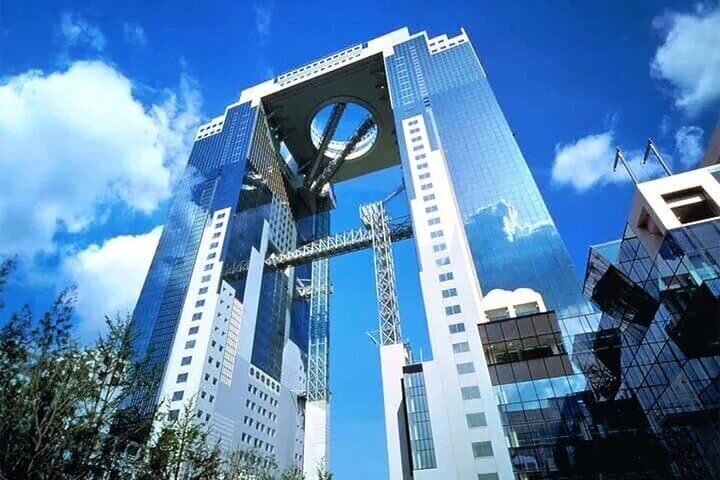
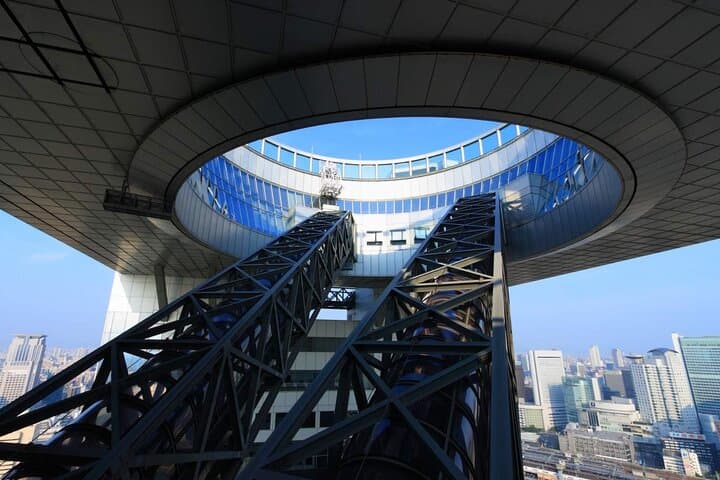
Completed in 1993 and designed by architect Hiroshi Hara, the Umeda Sky Building links twin towers with an elevated “Floating Garden” that reads as both engineering feat and public stage. Geologically, you’re in an alluvial plain of the Yamato Basin; the view emphasizes human layers more than rock, where reclaimed land, bridges and canals reveal Osaka’s mercantile history and modern reinvention.
Locals pair rooftop visits with evening strolls through nearby retro food alleys and department stores; the building itself sits within a compact urban cluster that’s easy to explore on foot or by train. Cultural rhythm shifts from early dinner to neon nightlife, so timing shapes the experience.
Practical guidance: allow 60–90 minutes for a relaxed visit—longer if you linger at sunset. Bring a jacket for the rooftop wind, carry a charged phone or camera, and plan transit via JR Osaka Station or the Midosuji Line; the walk from the station is under ten minutes.
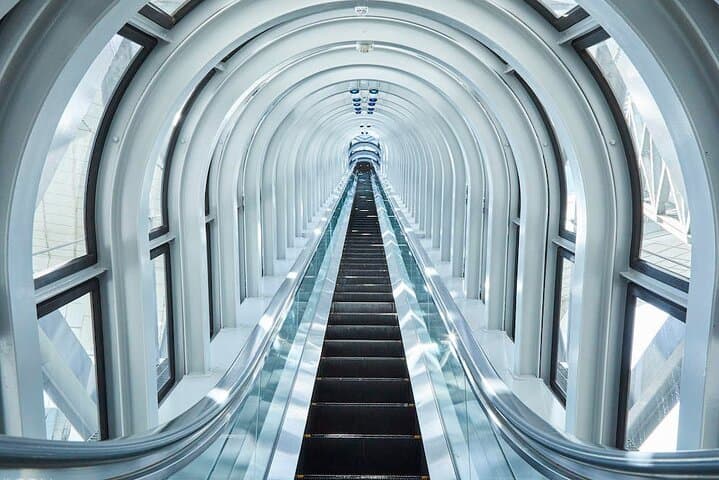
Accessibility is straightforward—elevators deliver visitors close to the observatory—but the rooftop exposes you to weather; check opening hours and carry ID for ticket exchange. Visit during golden hour for the richest light, or after dark for an electric panorama that charts Osaka’s scale and motion.
easy.
1–2 hours.
Suitable for all fitness levels; involves elevators and short walks but no strenuous activity
Most visitors spend 60–90 minutes to take in panoramic views, photos, and the rooftop atmosphere; allocate extra time for sunset.
Yes—there is elevator access to the observatory and facilities accommodate wheelchairs, but check with staff for specifics before visiting.
Yes—you present your voucher at the 39/F ticket counter and a valid photo ID is required for entry.
Visit after dusk—early evening or night offers dramatic, sprawling city lights; arrive before sunset to experience both daylight and night panoramas.
Designed by Hiroshi Hara and completed in 1993, the Umeda Sky Building’s twin towers are linked by the Floating Garden Observatory, an architectural landmark in Kita district.
The observatory manages visitor flow to reduce wear on rooftop infrastructure; favor public transit and avoid single-use plastics to minimize local environmental impact.
Royal Smart Tourism operates guided outdoor trips and adventures with an emphasis on safety, stewardship, and memorable experiences.
The air on the open-air rooftop tastes of city—cooler at dusk, carrying the distant glow of Osaka’s neon veins. From the Kuchu Teien Observatory you stand between two soaring towers, the city unfolding in a full circle: rivers slicing neighborhoods, railway arteries threading the basin, skyscrapers lighting like pins on a map.
The air on the open-air rooftop tastes of city—cooler at dusk, carrying the distant glow of Osaka’s neon veins. From the Kuchu Teien Observatory you stand between two soaring towers, the city unfolding in a full circle: rivers slicing neighborhoods, railway arteries threading the basin, skyscrapers lighting like pins on a map.
Completed in 1993 and designed by architect Hiroshi Hara, the Umeda Sky Building links twin towers with an elevated “Floating Garden” that reads as both engineering feat and public stage. Geologically, you’re in an alluvial plain of the Yamato Basin; the view emphasizes human layers more than rock, where reclaimed land, bridges and canals reveal Osaka’s mercantile history and modern reinvention.
Locals pair rooftop visits with evening strolls through nearby retro food alleys and department stores; the building itself sits within a compact urban cluster that’s easy to explore on foot or by train. Cultural rhythm shifts from early dinner to neon nightlife, so timing shapes the experience.
Practical guidance: allow 60–90 minutes for a relaxed visit—longer if you linger at sunset. Bring a jacket for the rooftop wind, carry a charged phone or camera, and plan transit via JR Osaka Station or the Midosuji Line; the walk from the station is under ten minutes.
Accessibility is straightforward—elevators deliver visitors close to the observatory—but the rooftop exposes you to weather; check opening hours and carry ID for ticket exchange. Visit during golden hour for the richest light, or after dark for an electric panorama that charts Osaka’s scale and motion.