THE ADVENTURE COLLECTIVE® · Independent discovery and booking for outdoor travel

Walk Charleston at your own pace with a 90–120 minute audio tour that traces three centuries of conflict, commerce, and culture. Download the VoiceMap file, follow turn-by-turn prompts, and hear stories behind Rainbow Row, the Old Slave Mart, The Battery and more.
Walk Charleston at your own pace with a 90–120 minute audio tour that traces three centuries of conflict, commerce, and culture. Download the VoiceMap file, follow turn-by-turn prompts, and hear stories behind Rainbow Row, the Old Slave Mart, The Battery and more.
You step off Meeting Street into a city whose bricks and ironwork keep an almost audible memory: horses’ hooves fade, gulls quarrel over the harbor, and the air carries salt and frying onions from a nearby kitchen.
Verified experiences and guided adventures in the surrounding area.
Operated by VoiceMap Audio Tours · Charleston, South Carolina
You step off Meeting Street into a city whose bricks and ironwork keep an almost audible memory: horses’ hooves fade, gulls quarrel over the harbor, and the air carries salt and frying onions from a nearby kitchen.
This self-guided VoiceMap walk threads the French Quarter, Rainbow Row, the Old Slave Mart and The Battery — sites that map Charleston’s role in colonial trade, the Revolutionary era, and the Civil War. Geologically the tour sits on the Atlantic coastal plain: flat streets built over tidal marshes and sand, where high tides still press at seawalls and the harbor dares you to look out and measure time in ships. Architecturally you’ll see Charleston single houses with side piazzas designed to catch the sea breeze, and Public Market sheds that were once commerce hubs.
Culturally, the route passes places shaped by Gullah traditions, seafaring commerce, and antebellum wealth; audio stops discuss the city’s ties to the transatlantic slave trade and why George Washington paused here. Local insight: alleys and side streets hold smaller stories — a tucked-away courtyard or a plaque you can easily miss.
Practical guidance: download the VoiceMap file and test it before you start; the tour runs 90–120 minutes depending on pauses. The walking is flat and mostly paved but bring supportive shoes, water, sunscreen, and a charged phone. Start early or late afternoon in summer to avoid midday heat; respect museum hours and sensitive memorials. With a set route and turn-by-turn prompts, this is an urban history walk that balances narrative depth with on-your-pace exploration.
easy.
1.5–2 hours.
Basic walking fitness; comfortable standing and 1–2 miles of urban walking.
Install the VoiceMap app, create an account, go to Tour Codes > Enter Codes, input the eight-character code from your ticket, and download the tour.
Yes — the self-guided tour can be paused and restarted at any point; it will resume playback when you return to the route.
Main streets and the Market area are mostly paved and flat, but cobblestones and occasional curbs can be challenging; check specific segments for accessibility.
Yes — the code can be redeemed by every member of your party so everyone can download the tour to their device.
Charleston was a major colonial port tied to transatlantic trade, played key roles in the Revolutionary and Civil Wars, and hosted figures like George Washington during Southern tours.
Rising tides and coastal erosion affect downtown preservation; stay on designated paths, support local conservation groups, and respect historic fabric to reduce impact.
VoiceMap Audio Tours operates guided outdoor trips and adventures with an emphasis on safety, stewardship, and memorable experiences.
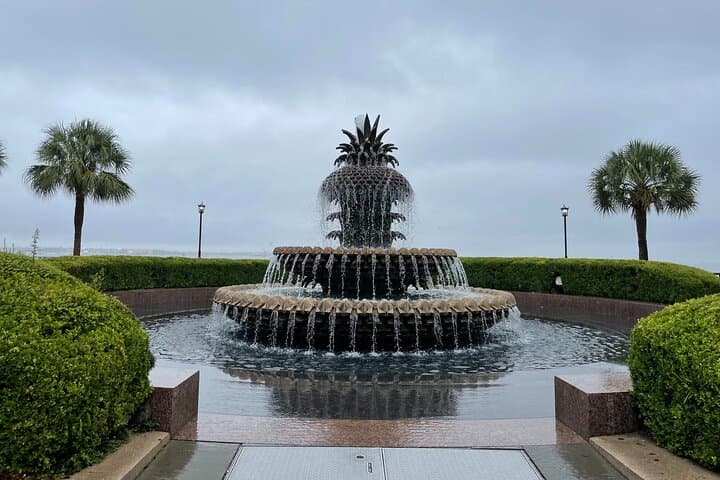
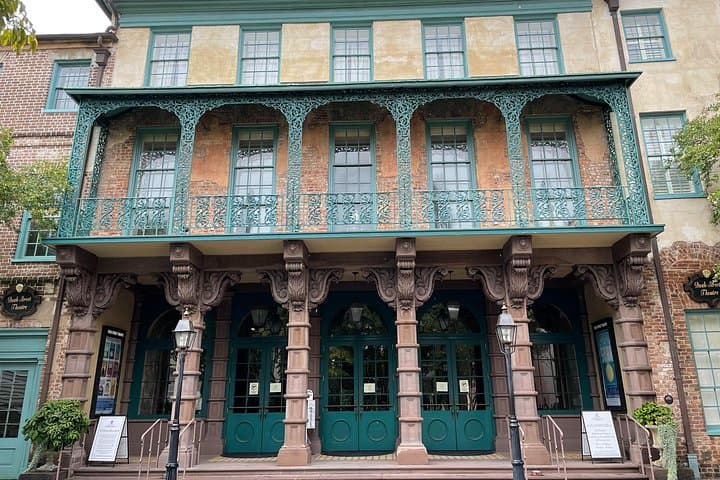
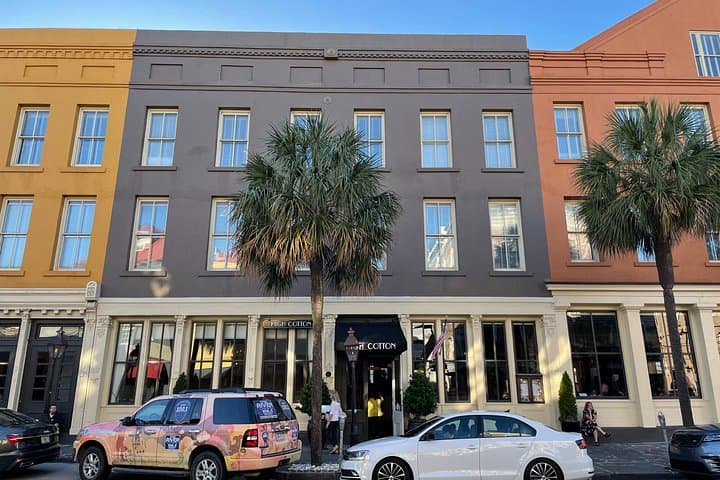
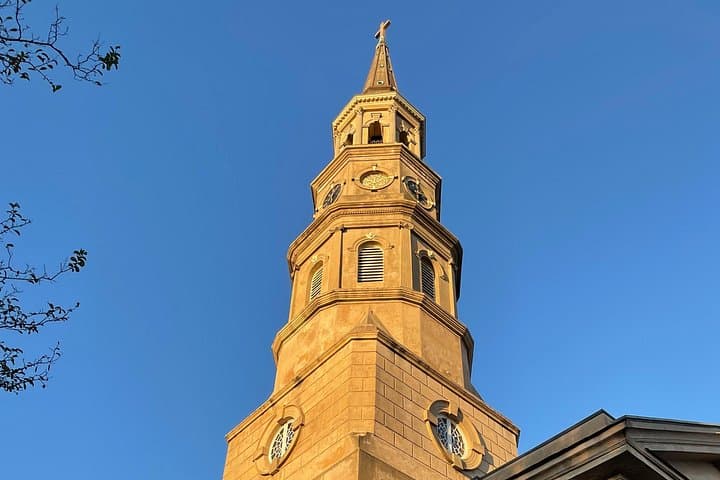
You step off Meeting Street into a city whose bricks and ironwork keep an almost audible memory: horses’ hooves fade, gulls quarrel over the harbor, and the air carries salt and frying onions from a nearby kitchen.
You step off Meeting Street into a city whose bricks and ironwork keep an almost audible memory: horses’ hooves fade, gulls quarrel over the harbor, and the air carries salt and frying onions from a nearby kitchen.
This self-guided VoiceMap walk threads the French Quarter, Rainbow Row, the Old Slave Mart and The Battery — sites that map Charleston’s role in colonial trade, the Revolutionary era, and the Civil War. Geologically the tour sits on the Atlantic coastal plain: flat streets built over tidal marshes and sand, where high tides still press at seawalls and the harbor dares you to look out and measure time in ships. Architecturally you’ll see Charleston single houses with side piazzas designed to catch the sea breeze, and Public Market sheds that were once commerce hubs.
Culturally, the route passes places shaped by Gullah traditions, seafaring commerce, and antebellum wealth; audio stops discuss the city’s ties to the transatlantic slave trade and why George Washington paused here. Local insight: alleys and side streets hold smaller stories — a tucked-away courtyard or a plaque you can easily miss.
Practical guidance: download the VoiceMap file and test it before you start; the tour runs 90–120 minutes depending on pauses. The walking is flat and mostly paved but bring supportive shoes, water, sunscreen, and a charged phone. Start early or late afternoon in summer to avoid midday heat; respect museum hours and sensitive memorials. With a set route and turn-by-turn prompts, this is an urban history walk that balances narrative depth with on-your-pace exploration.