THE ADVENTURE COLLECTIVE® · Independent discovery and booking for outdoor travel

Spend a day exploring Ourika, Oukaimeden and Asni—three High Atlas valleys that trade waterfalls, orchards and Berber culture along a scenic route from Marrakech.
Spend a day exploring Ourika, Oukaimeden and Asni—three High Atlas valleys that trade waterfalls, orchards and Berber culture along a scenic route from Marrakech.
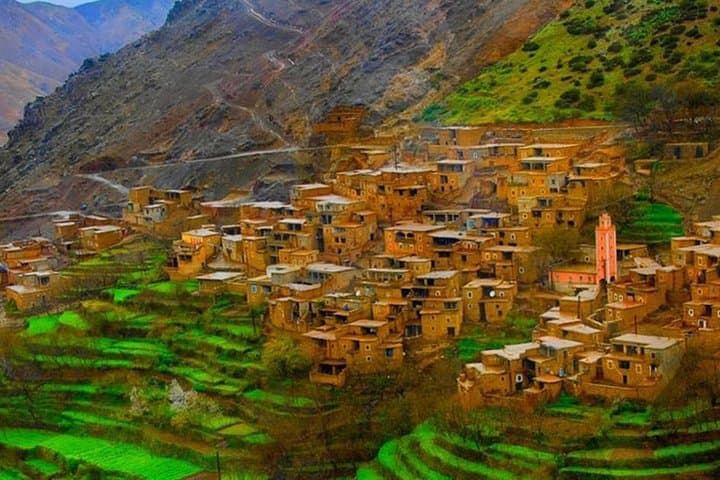
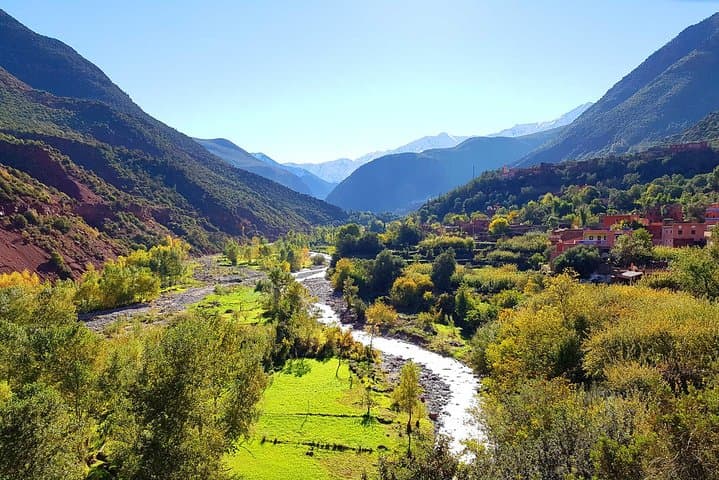
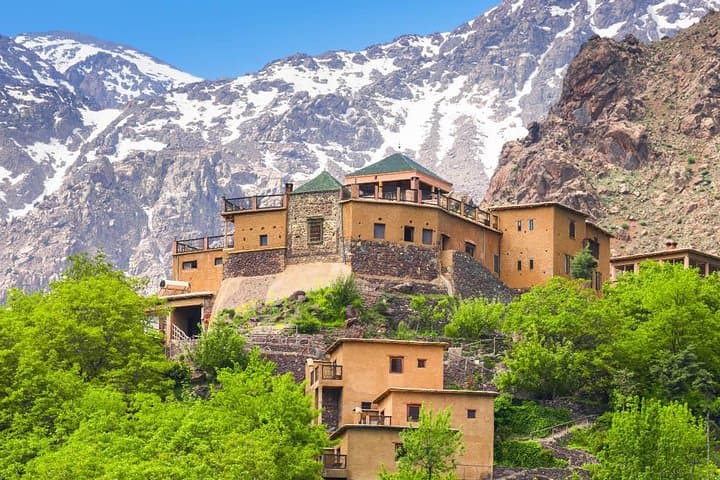
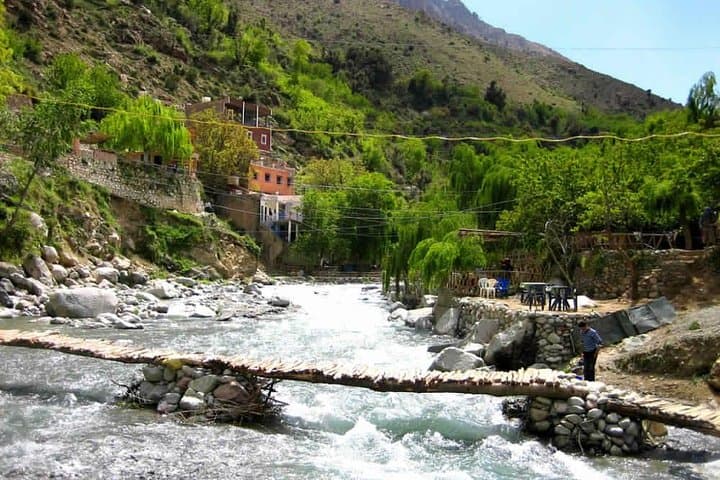
A cool morning slips out of Marrakech and the road climbs, the Atlas mountains unrolling like a low, patient wall. The vehicle drops into river-cut vales where terraces and orchards crowd the slopes; waterfalls dare you to stop. Guides steer the day through three distinct valleys—Ourika, Oukaimeden and Asni—each one showing a different face of the High Atlas: rushing streams and mossy cascades, high pastures with snowy silhouettes, and orchards heavy with apples and almonds.
Verified experiences and guided adventures in the surrounding area.
Operated by Sunny Excursion · Marrakech, Marrakech-Safi
A cool morning slips out of Marrakech and the road climbs, the Atlas mountains unrolling like a low, patient wall. The vehicle drops into river-cut vales where terraces and orchards crowd the slopes; waterfalls dare you to stop. Guides steer the day through three distinct valleys—Ourika, Oukaimeden and Asni—each one showing a different face of the High Atlas: rushing streams and mossy cascades, high pastures with snowy silhouettes, and orchards heavy with apples and almonds.
These valleys have long been home to Amazigh (Berber) communities who adapted terraced agriculture to steep gradients and seasonal water. Geologically the High Atlas is young and rugged: folded limestone and basalt thrust skyward, feeding springs and seasonal rivers that shape the valleys. Visitors will notice stone houses, flat-roofed granaries and aromatic gardens tended by families who grow herbs and fruit for local markets.
Practically, this is a full-day excursion (about 8–9 hours) best started early to avoid midday heat and long traffic in Marrakech. Wear sturdy shoes for uneven village paths and short walks to viewpoints and waterfalls. Carry water, sun protection and modest clothing for entering family-run homes. Photography is rewarding but ask before photographing people in villages.
Expect a mix of short walks and scenic drives, an optional lunch in a Berber home, and frequent stops for market browsing if your schedule allows. The route is accessible to most travelers with moderate fitness; altitude only reaches a few thousand feet, but the mountain air changes quickly—plan clothing in layers.
moderate.
8–9 hours.
Moderate fitness for short walks, getting on/off vehicle and navigating uneven terrain
Typical departures return to Marrakech in 8–9 hours (about 480–540 minutes), including stops and a possible lunch.
Lunch in a Berber home is often optional; confirm with the operator whether it's included or available at extra cost.
Yes—short walks to viewpoints, village streets and waterfall access involve uneven terrain but no technical climbing.
Children can join but the tour notes that participants should have moderate fitness; infant seats may be available—ask at booking.
The High Atlas region is historically Amazigh (Berber), with villages that maintain traditional terrace farming and seasonal markets that predate modern Marrakech trade routes.
The valleys face seasonal water stress and erosion; stay on paths, avoid single-use plastics, and support community-run guides and family lunches to keep tourism benefits local.
Sunny Excursion operates guided outdoor trips and adventures with an emphasis on safety, stewardship, and memorable experiences.
A cool morning slips out of Marrakech and the road climbs, the Atlas mountains unrolling like a low, patient wall. The vehicle drops into river-cut vales where terraces and orchards crowd the slopes; waterfalls dare you to stop. Guides steer the day through three distinct valleys—Ourika, Oukaimeden and Asni—each one showing a different face of the High Atlas: rushing streams and mossy cascades, high pastures with snowy silhouettes, and orchards heavy with apples and almonds.
A cool morning slips out of Marrakech and the road climbs, the Atlas mountains unrolling like a low, patient wall. The vehicle drops into river-cut vales where terraces and orchards crowd the slopes; waterfalls dare you to stop. Guides steer the day through three distinct valleys—Ourika, Oukaimeden and Asni—each one showing a different face of the High Atlas: rushing streams and mossy cascades, high pastures with snowy silhouettes, and orchards heavy with apples and almonds.
These valleys have long been home to Amazigh (Berber) communities who adapted terraced agriculture to steep gradients and seasonal water. Geologically the High Atlas is young and rugged: folded limestone and basalt thrust skyward, feeding springs and seasonal rivers that shape the valleys. Visitors will notice stone houses, flat-roofed granaries and aromatic gardens tended by families who grow herbs and fruit for local markets.
Practically, this is a full-day excursion (about 8–9 hours) best started early to avoid midday heat and long traffic in Marrakech. Wear sturdy shoes for uneven village paths and short walks to viewpoints and waterfalls. Carry water, sun protection and modest clothing for entering family-run homes. Photography is rewarding but ask before photographing people in villages.
Expect a mix of short walks and scenic drives, an optional lunch in a Berber home, and frequent stops for market browsing if your schedule allows. The route is accessible to most travelers with moderate fitness; altitude only reaches a few thousand feet, but the mountain air changes quickly—plan clothing in layers.