THE ADVENTURE COLLECTIVE® · Independent discovery and booking for outdoor travel

Float over Luxor at sunrise, then settle into a three‑night Nile cruise that links Karnak, Edfu, Kom Ombo and the relocated temples of Abu Simbel. This trip blends early‑morning ballooning with slow river travel and guided archaeology stops.
Float over Luxor at sunrise, then settle into a three‑night Nile cruise that links Karnak, Edfu, Kom Ombo and the relocated temples of Abu Simbel. This trip blends early‑morning ballooning with slow river travel and guided archaeology stops.
Dawn over the Nile reads like a map of light: the river loosens its dark ribbon and the cruise boat slips forward, pushing a mild wake against papyrus-fringed shores. On this 3‑night route from Luxor to Aswan you’ll wake before sunrise for a hot‑air balloon drift above the West Bank, then trade the hush of altitude for the slow, measured rhythm of life aboard a five‑star dahabiya as it sails toward temples that have watched the river for millennia.
Verified experiences and guided adventures in the surrounding area.
Operated by Best Of Egypt Tours · Luxor, Luxor Governorate
Dawn over the Nile reads like a map of light: the river loosens its dark ribbon and the cruise boat slips forward, pushing a mild wake against papyrus-fringed shores. On this 3‑night route from Luxor to Aswan you’ll wake before sunrise for a hot‑air balloon drift above the West Bank, then trade the hush of altitude for the slow, measured rhythm of life aboard a five‑star dahabiya as it sails toward temples that have watched the river for millennia.
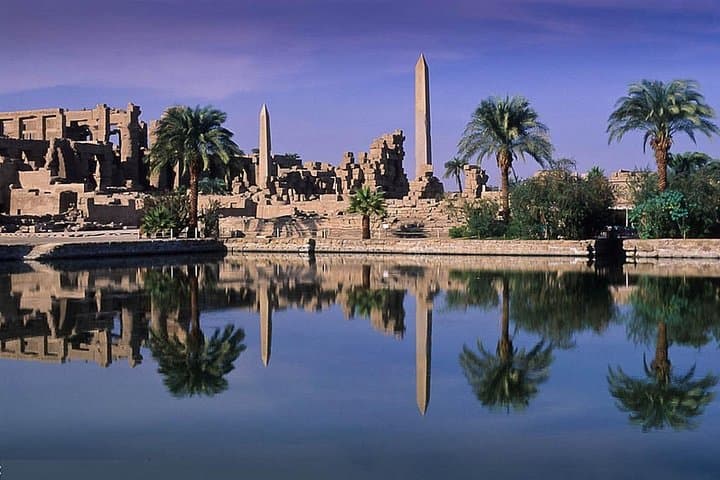
The itinerary threads together ancient Thebes and Nubia — Valley of the Kings, Hatshepsut’s terraces, Karnak’s forest of columns, the high walls of Edfu and Kom Ombo — and culminates in the colossal rock-cut faces of Abu Simbel, a site famously relocated in the 1960s to save it from Lake Nasser’s rise. Geologically the Nile Valley is a narrow strip of alluvial soil carved through sandstone plateaus; culturally it’s a crossroads where pharaonic, Ptolemaic and Nubian layers coexist.
Expect long walking loops at archaeological sites, stiff sun and stairs descending into tombs, and quiet stretches on deck where the current dares you to look away. Meals are buffet style on board; cabins include basic facilities and door-to-door transfers simplify logistics.
Practical edge: schedule your hottest site visits for morning, bring a brimmed hat and 3 liters of water per day, and budget time for the Abu Simbel transfer (roughly a 3–4 hour drive from Aswan each way). Carry a photocopy of your passport for site admissions, wear grippy shoes for temple steps, and leave room for slow afternoons — the Nile favors travelers who move at its pace.
moderate.
4 days (3 nights).
Suitable for travelers in reasonably good health who can walk 2–4 miles over uneven terrain and tolerate early mornings and occasional long transfers.
The balloon flight is included on the itinerary; operators follow established safety checks but flights depend on weather — expect cancellations for high winds.
Abu Simbel is roughly 280 km south of Aswan; the road transfer typically takes about 3–4 hours each way by coach.
A qualified Egyptology guide is included and sites mentioned in the itinerary are covered, but bring local currency for optional site fees or extras.
Many areas are wheelchair accessible, but some temple interiors and tombs have stairs and narrow passages; check ahead for site‑specific access arrangements.
Luxor sits on the site of ancient Thebes, a capital of pharaonic power; Abu Simbel was famously relocated in the 1960s to save it from Lake Nasser after the Aswan High Dam was built.
Tourism is managed to protect fragile sites — follow marked paths, avoid touching reliefs, minimize plastic use and support local conservation initiatives when possible.
Best Of Egypt Tours operates guided outdoor trips and adventures with an emphasis on safety, stewardship, and memorable experiences.
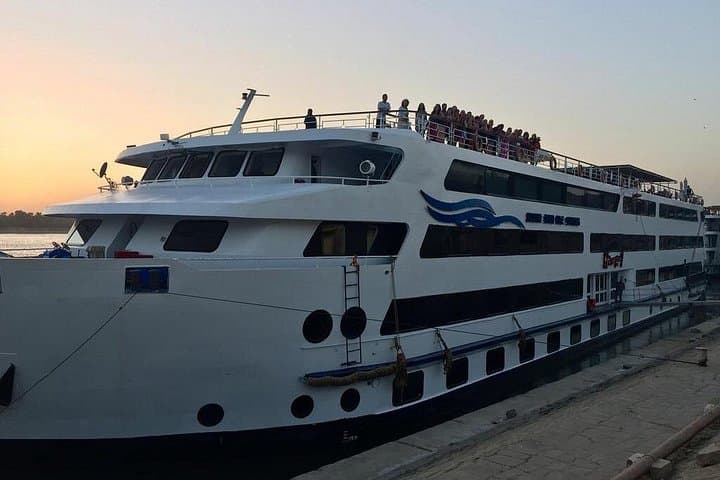

Dawn over the Nile reads like a map of light: the river loosens its dark ribbon and the cruise boat slips forward, pushing a mild wake against papyrus-fringed shores. On this 3‑night route from Luxor to Aswan you’ll wake before sunrise for a hot‑air balloon drift above the West Bank, then trade the hush of altitude for the slow, measured rhythm of life aboard a five‑star dahabiya as it sails toward temples that have watched the river for millennia.
Dawn over the Nile reads like a map of light: the river loosens its dark ribbon and the cruise boat slips forward, pushing a mild wake against papyrus-fringed shores. On this 3‑night route from Luxor to Aswan you’ll wake before sunrise for a hot‑air balloon drift above the West Bank, then trade the hush of altitude for the slow, measured rhythm of life aboard a five‑star dahabiya as it sails toward temples that have watched the river for millennia.
The itinerary threads together ancient Thebes and Nubia — Valley of the Kings, Hatshepsut’s terraces, Karnak’s forest of columns, the high walls of Edfu and Kom Ombo — and culminates in the colossal rock-cut faces of Abu Simbel, a site famously relocated in the 1960s to save it from Lake Nasser’s rise. Geologically the Nile Valley is a narrow strip of alluvial soil carved through sandstone plateaus; culturally it’s a crossroads where pharaonic, Ptolemaic and Nubian layers coexist.
Expect long walking loops at archaeological sites, stiff sun and stairs descending into tombs, and quiet stretches on deck where the current dares you to look away. Meals are buffet style on board; cabins include basic facilities and door-to-door transfers simplify logistics.
Practical edge: schedule your hottest site visits for morning, bring a brimmed hat and 3 liters of water per day, and budget time for the Abu Simbel transfer (roughly a 3–4 hour drive from Aswan each way). Carry a photocopy of your passport for site admissions, wear grippy shoes for temple steps, and leave room for slow afternoons — the Nile favors travelers who move at its pace.