THE ADVENTURE COLLECTIVE® · Independent discovery and booking for outdoor travel

Cruise the Upper Nile over three nights from Aswan to Luxor, visiting Philae, Abu Simbel, Kom Ombo, Edfu and the Valley of the Kings, plus a sunrise hot-air balloon over Luxor. This guided, 5-star itinerary bundles transport, meals and expert Egyptology commentary for a concise introduction to ancient Thebes.
Cruise the Upper Nile over three nights from Aswan to Luxor, visiting Philae, Abu Simbel, Kom Ombo, Edfu and the Valley of the Kings, plus a sunrise hot-air balloon over Luxor. This guided, 5-star itinerary bundles transport, meals and expert Egyptology commentary for a concise introduction to ancient Thebes.
The ship slips away from Aswan at dusk and the Nile takes over: a broad, slow current that carries the light of dusk across mud-brown water and the silhouettes of palm stands. Onboard, polished wood corridors and shaded sun decks set the tempo—relaxed, purposeful, and oriented toward the monuments that punctuate the river’s course.
Verified experiences and guided adventures in the surrounding area.
Operated by Book Your Tours · Aswan, Aswan Governorate
The ship slips away from Aswan at dusk and the Nile takes over: a broad, slow current that carries the light of dusk across mud-brown water and the silhouettes of palm stands. Onboard, polished wood corridors and shaded sun decks set the tempo—relaxed, purposeful, and oriented toward the monuments that punctuate the river’s course.
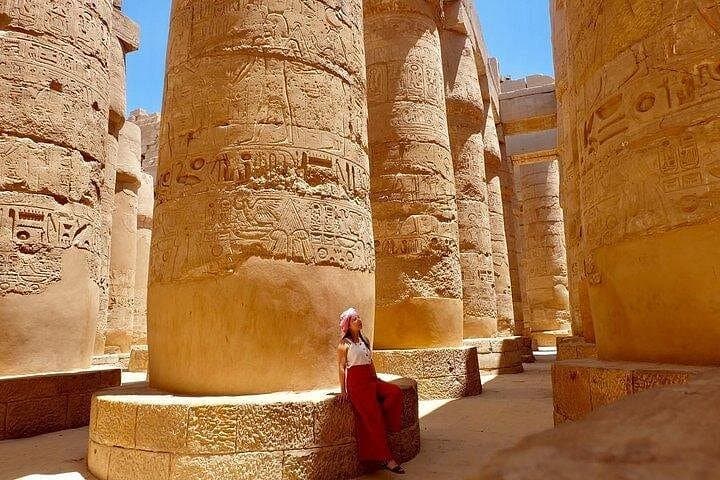
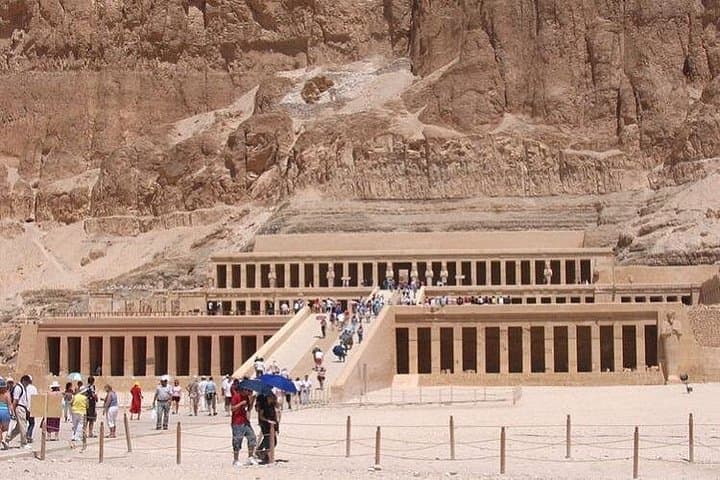
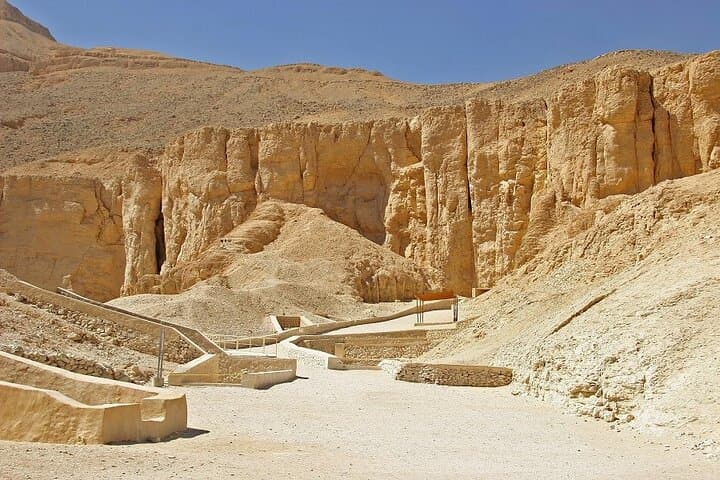
This itinerary threads together Upper Egypt’s most iconic sites. In Aswan the island temple of Philae recalls Ptolemaic devotion to Isis and the engineering drama of the High Dam reshaped the river and the landscape. Abu Simbel, moved stone-by-stone in the 1960s to escape Lake Nasser, confronts the visitor with colossal rock faces and Ramses II’s imperial program. Between those bookends you'll stop at Kom Ombo and Edfu—Ptolemaic temples with well-preserved reliefs—before arriving in Luxor where the Valley of the Kings, Karnak and a sunrise hot-air balloon over the West Bank reveal funerary cliffs, temple avenues and the scale of Thebes.
Expect guided walks over uneven stone, stairs into tombs, and short transfers by motorboat and coach. The Nile itself seems to nudge you forward; reeds and birds punctuate every landing. Practicalities: carry sun protection, a refillable water bottle, and comfortable shoes for temple steps. Morning balloon flights are weather-dependent and require early starts; temple visits are best timed for cooler hours.
This cruise blends leisure and archaeology—ideal for travelers who want immersive access to Egypt’s major sites without the logistical friction of self-organized transfers.
moderate.
4 days (3 nights).
Suitable for travelers in average fitness who can walk 1–3 miles per day and navigate stairs and uneven surfaces.
The balloon is listed as included; flights are weather-dependent—if canceled you should be offered an alternative (refund or replacement activity) per the operator’s policy.
Most travelers require an Egyptian entry visa; check your nationality’s requirements and obtain a visa in advance or on arrival where applicable.
Some sites have limited accessibility—temple grounds may have ramps but tomb interiors involve steps; the tour notes wheelchair accessibility but expect constraints at older sites.
Tipping guides, drivers and crew is customary in Egypt; budget modest gratuities per person per service (a few dollars) and carry small bills.
Upper Egypt was the ceremonial heart of pharaonic Thebes; several temples here date to the New Kingdom while Abu Simbel was relocated in the 1960s to protect it from Lake Nasser.
Major sites are vulnerable to erosion and visitor impact—follow rules (no flash photography in tombs, avoid touching reliefs) and support licensed guides and local conservation fees.
Book Your Tours operates guided outdoor trips and adventures with an emphasis on safety, stewardship, and memorable experiences.
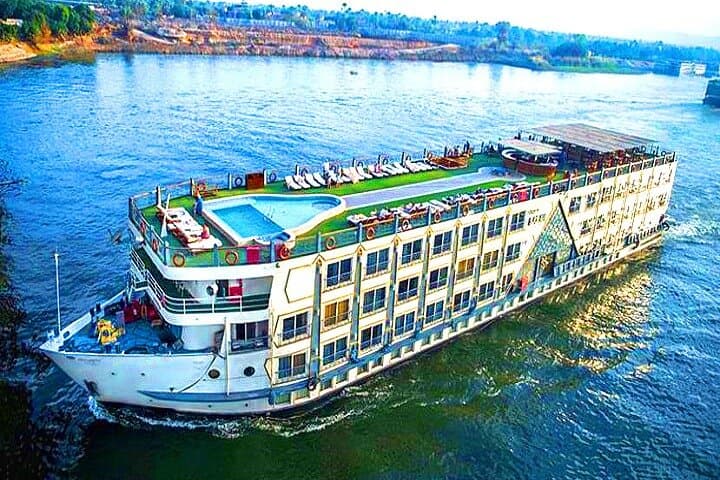
The ship slips away from Aswan at dusk and the Nile takes over: a broad, slow current that carries the light of dusk across mud-brown water and the silhouettes of palm stands. Onboard, polished wood corridors and shaded sun decks set the tempo—relaxed, purposeful, and oriented toward the monuments that punctuate the river’s course.
The ship slips away from Aswan at dusk and the Nile takes over: a broad, slow current that carries the light of dusk across mud-brown water and the silhouettes of palm stands. Onboard, polished wood corridors and shaded sun decks set the tempo—relaxed, purposeful, and oriented toward the monuments that punctuate the river’s course.
This itinerary threads together Upper Egypt’s most iconic sites. In Aswan the island temple of Philae recalls Ptolemaic devotion to Isis and the engineering drama of the High Dam reshaped the river and the landscape. Abu Simbel, moved stone-by-stone in the 1960s to escape Lake Nasser, confronts the visitor with colossal rock faces and Ramses II’s imperial program. Between those bookends you'll stop at Kom Ombo and Edfu—Ptolemaic temples with well-preserved reliefs—before arriving in Luxor where the Valley of the Kings, Karnak and a sunrise hot-air balloon over the West Bank reveal funerary cliffs, temple avenues and the scale of Thebes.
Expect guided walks over uneven stone, stairs into tombs, and short transfers by motorboat and coach. The Nile itself seems to nudge you forward; reeds and birds punctuate every landing. Practicalities: carry sun protection, a refillable water bottle, and comfortable shoes for temple steps. Morning balloon flights are weather-dependent and require early starts; temple visits are best timed for cooler hours.
This cruise blends leisure and archaeology—ideal for travelers who want immersive access to Egypt’s major sites without the logistical friction of self-organized transfers.