THE ADVENTURE COLLECTIVE® · Independent discovery and booking for outdoor travel

Sail from Aswan to Luxor on a 3‑night five‑star Nile cruise that pairs Abu Simbel’s monumental temples with a dawn hot‑air balloon over Luxor. Expect guided archaeological tours, relaxed river sailing, and early starts for the region’s most iconic sites.
Sail from Aswan to Luxor on a 3‑night five‑star Nile cruise that pairs Abu Simbel’s monumental temples with a dawn hot‑air balloon over Luxor. Expect guided archaeological tours, relaxed river sailing, and early starts for the region’s most iconic sites.
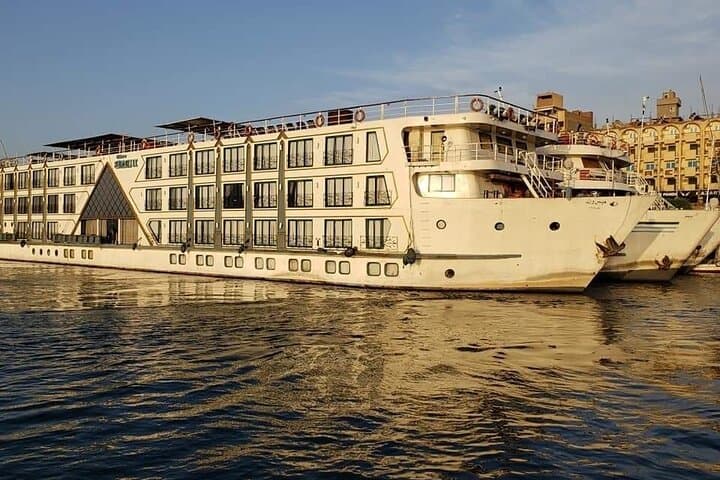
Dawn finds the sundeck gold‑rimmed and still, the Nile slipping past palm groves as the ship untethers in Aswan. You can feel the river deciding the day's pace — slow, generous, relentless — while the desert beyond leans in, heat already waiting.
Verified experiences and guided adventures in the surrounding area.
Operated by Saray El-Nile · Aswan, Aswan Governorate
Dawn finds the sundeck gold‑rimmed and still, the Nile slipping past palm groves as the ship untethers in Aswan. You can feel the river deciding the day's pace — slow, generous, relentless — while the desert beyond leans in, heat already waiting.
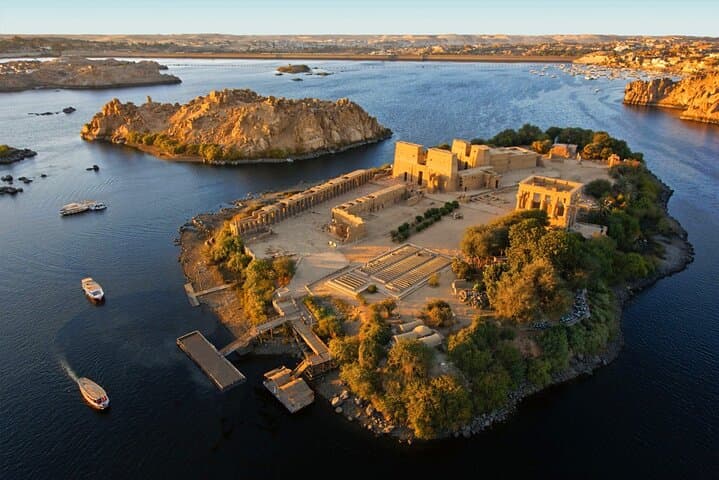
This four‑day passage stitches together millennia: the modern High Dam and blue sweep of Lake Nasser, rock‑carved sanctuaries at Abu Simbel, the twin god temple at Kom Ombo, the well‑preserved pylons of Edfu, and Luxor’s valley of pharaohs. Geology here is simple and bold — sandstone cliffs and limestone ridges where tombs are cut into the stone — and culture is immediate, from Nubian villages along the bank to the Egyptologist narrating hieroglyphic stories inside temple colonnades.
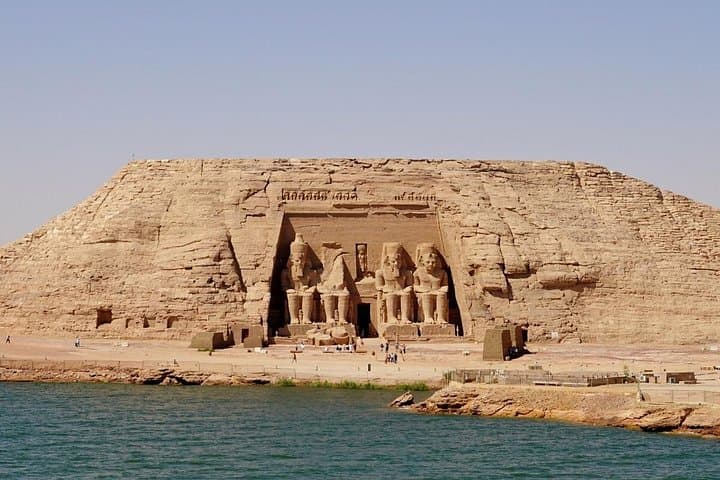
Abu Simbel’s relocation in the 1960s is a highlight of 20th‑century engineering; the colossal faces of Ramesses II still command the desert. On the last morning a hot air balloon nudges you above Luxor’s West Bank at first light, offering a maplike view of temples, irrigated fields, and the meandering Nile.
Practical edge: expect early mornings (Abu Simbel departs around 4:30 a.m.), warm sun, and lots of short, guided walks over stone and sand. Bring a hat, sunscreen, comfortable walking shoes, and a light layer for cooler mornings at dawn and on the river. Transfers and most meals are included; carry local cash for small purchases, tips, and museum extras. The itinerary balances relaxed cruising with concentrated archaeological visits — ideal for travelers who want depth without constant transit.
easy.
4 days.
Suitable for most fitness levels; able to manage short guided walks, stairs, and some uneven ground.
Yes — the itinerary includes a pre‑dawn hot air balloon ride over Luxor’s West Bank as part of the program.
The cruise runs four days (3 nights), starting in Aswan and finishing in Luxor with transfers provided to airport, train station, or hotels.
Major guided excursions and most site visits listed in the itinerary are included, and an English‑speaking Egyptologist leads the visits.
The cruise is generally family‑friendly, but Abu Simbel involves an early long transfer; infants must sit on laps and check specific age restrictions with the operator.
The route follows the Nile’s life artery; many temples were deliberately relocated or restored in the 20th century to protect them from Lake Nasser’s rising waters.
Tour operators work with local authorities to limit site impact—stick to marked paths, avoid flash photography in sensitive tombs, and support local vendors with eco‑conscious purchases.
Saray El-Nile operates guided outdoor trips and adventures with an emphasis on safety, stewardship, and memorable experiences.

Dawn finds the sundeck gold‑rimmed and still, the Nile slipping past palm groves as the ship untethers in Aswan. You can feel the river deciding the day's pace — slow, generous, relentless — while the desert beyond leans in, heat already waiting.
Dawn finds the sundeck gold‑rimmed and still, the Nile slipping past palm groves as the ship untethers in Aswan. You can feel the river deciding the day's pace — slow, generous, relentless — while the desert beyond leans in, heat already waiting.
This four‑day passage stitches together millennia: the modern High Dam and blue sweep of Lake Nasser, rock‑carved sanctuaries at Abu Simbel, the twin god temple at Kom Ombo, the well‑preserved pylons of Edfu, and Luxor’s valley of pharaohs. Geology here is simple and bold — sandstone cliffs and limestone ridges where tombs are cut into the stone — and culture is immediate, from Nubian villages along the bank to the Egyptologist narrating hieroglyphic stories inside temple colonnades.
Abu Simbel’s relocation in the 1960s is a highlight of 20th‑century engineering; the colossal faces of Ramesses II still command the desert. On the last morning a hot air balloon nudges you above Luxor’s West Bank at first light, offering a maplike view of temples, irrigated fields, and the meandering Nile.
Practical edge: expect early mornings (Abu Simbel departs around 4:30 a.m.), warm sun, and lots of short, guided walks over stone and sand. Bring a hat, sunscreen, comfortable walking shoes, and a light layer for cooler mornings at dawn and on the river. Transfers and most meals are included; carry local cash for small purchases, tips, and museum extras. The itinerary balances relaxed cruising with concentrated archaeological visits — ideal for travelers who want depth without constant transit.