THE ADVENTURE COLLECTIVE® · Independent discovery and booking for outdoor travel

Sail the Nile from Aswan to Luxor on a three-night cruise that pairs island temples and rock-cut monuments with a sunrise hot-air balloon over Luxor. This trip blends comfortable onboard time with early-morning temple visits and expert Egyptology insight.
Sail the Nile from Aswan to Luxor on a three-night cruise that pairs island temples and rock-cut monuments with a sunrise hot-air balloon over Luxor. This trip blends comfortable onboard time with early-morning temple visits and expert Egyptology insight.
You wake before dawn to the Nile's dark skin and the soft thud of engines as the cruise slips away from Aswan.
Verified experiences and guided adventures in the surrounding area.
Operated by Egypt Travel Line · Aswan, Aswan Governorate
You wake before dawn to the Nile's dark skin and the soft thud of engines as the cruise slips away from Aswan.
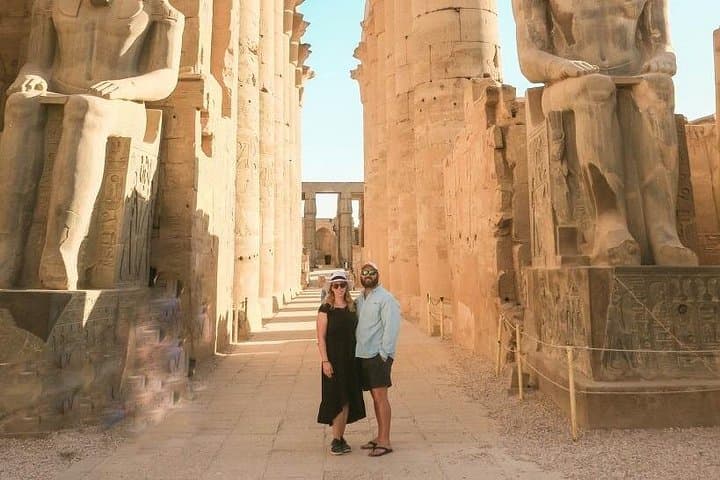
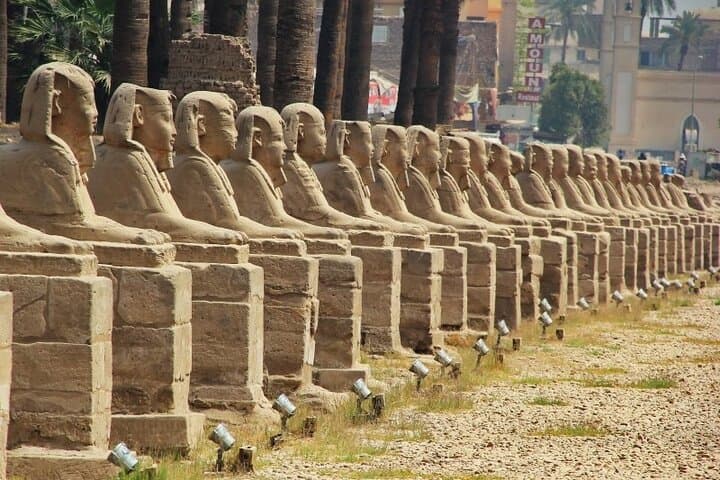
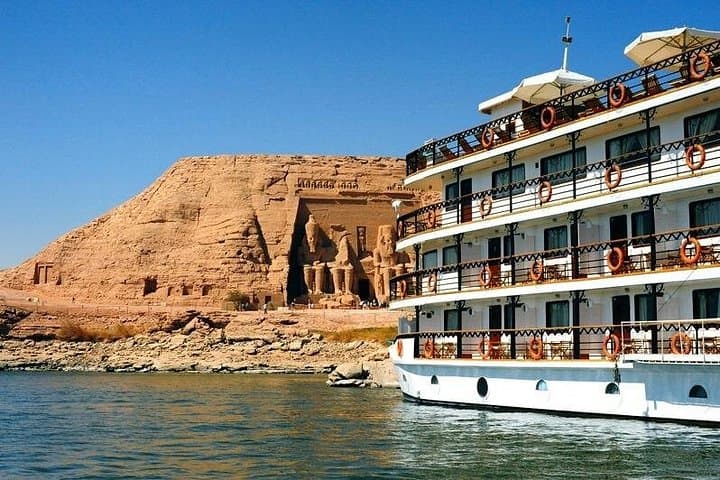
The river pushes you northward through a landscape that once determined kingship and grain routes — islands and reed-lined banks that have fed civilizations for millennia. On this three-night sail you’ll step from the quiet of the sundeck into temples carved of living rock: Philae’s island sanctuary, Kom Ombo’s double sanctuaries, the hammer-straight pylons of Edfu and the monumental façades at Abu Simbel.
Upper Egypt’s history is visible in stone — New Kingdom tombs, Ptolemaic additions and modern engineering like the Aswan High Dam, which reshaped lakes and lives. Geology here is simple and honest: sandstone and limestone cliffs, river-borne silt, and the vast artificial margin of Lake Nasser where Abu Simbel was rescued from the rising waters.
Culturally, towns along the route retain Nubian rhythms; markets pulse at dusk and feluccas rock like patient boats. Expect guided archaeology briefings and the practicalities of moving a small ship between ports.
Practical guidance: plan early-morning temple visits to avoid heat and crowds; carry local cash for small purchases and tips; wear sun-protective clothing and comfortable shoes for uneven temple steps; hydrate constantly — the desert claims water quickly. The hot-air balloon over Luxor is an early, wind-dependent ride: bring a light jacket for altitude chill and follow your operator’s safety briefing.
This cruise stitches together comfortable onboard living with concentrated time at world-class sites, making it a manageable, immersive route through Egypt’s living past.
moderate.
4 days (3 nights).
Suitable for travelers in average fitness — able to walk 1–2 miles, climb temple steps and manage early starts.
Most visitors to Egypt require a visa; check national requirements and obtain a tourist visa before travel or on arrival where available.
Abu Simbel is included; the temple is about 280–300 km from Aswan and requires an early road or coach transfer with additional time for stops.
Balloon flights are weather-dependent and can be canceled for safety; operators usually reschedule or refund when flights are grounded.
Temples have uneven terrain and steps; some sites offer reduced-distance viewing and ramps, but full access can be limited—check operator accessibility notes.
This route crosses Upper Egypt’s heartland — New Kingdom pharaohs built many tombs and temples here; Abu Simbel was relocated in the 1960s to save it from Lake Nasser.
Tourism and water management affect fragile sites and Nile ecology; follow local guidelines, avoid touching reliefs, and minimize single-use plastics.
Egypt Travel Line operates guided outdoor trips and adventures with an emphasis on safety, stewardship, and memorable experiences.
You wake before dawn to the Nile's dark skin and the soft thud of engines as the cruise slips away from Aswan.
You wake before dawn to the Nile's dark skin and the soft thud of engines as the cruise slips away from Aswan.
The river pushes you northward through a landscape that once determined kingship and grain routes — islands and reed-lined banks that have fed civilizations for millennia. On this three-night sail you’ll step from the quiet of the sundeck into temples carved of living rock: Philae’s island sanctuary, Kom Ombo’s double sanctuaries, the hammer-straight pylons of Edfu and the monumental façades at Abu Simbel.
Upper Egypt’s history is visible in stone — New Kingdom tombs, Ptolemaic additions and modern engineering like the Aswan High Dam, which reshaped lakes and lives. Geology here is simple and honest: sandstone and limestone cliffs, river-borne silt, and the vast artificial margin of Lake Nasser where Abu Simbel was rescued from the rising waters.
Culturally, towns along the route retain Nubian rhythms; markets pulse at dusk and feluccas rock like patient boats. Expect guided archaeology briefings and the practicalities of moving a small ship between ports.
Practical guidance: plan early-morning temple visits to avoid heat and crowds; carry local cash for small purchases and tips; wear sun-protective clothing and comfortable shoes for uneven temple steps; hydrate constantly — the desert claims water quickly. The hot-air balloon over Luxor is an early, wind-dependent ride: bring a light jacket for altitude chill and follow your operator’s safety briefing.
This cruise stitches together comfortable onboard living with concentrated time at world-class sites, making it a manageable, immersive route through Egypt’s living past.