THE ADVENTURE COLLECTIVE® · Independent discovery and booking for outdoor travel

Float between Aswan and Luxor on a three-night Nile cruise that pairs river calm with temple drama—Abu Simbel, Edfu, Kom Ombo and a sunrise hot air balloon over Luxor. This itinerary mixes easy sailing with early starts for the region’s iconic sights.
Float between Aswan and Luxor on a three-night Nile cruise that pairs river calm with temple drama—Abu Simbel, Edfu, Kom Ombo and a sunrise hot air balloon over Luxor. This itinerary mixes easy sailing with early starts for the region’s iconic sights.
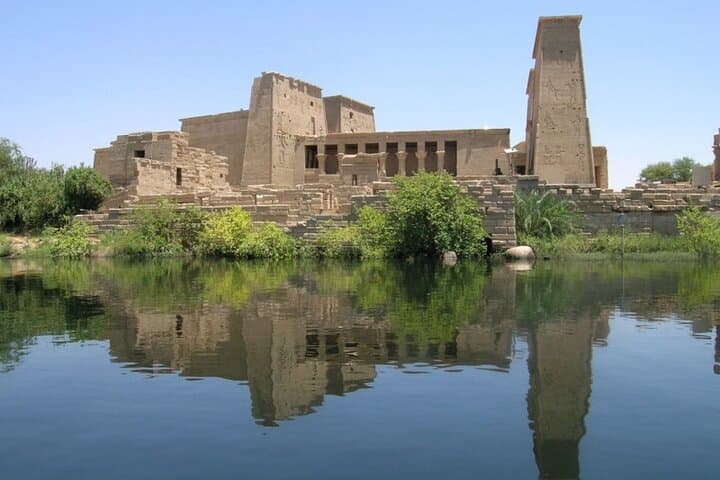
Boarding at dawn in Aswan, the Nile slips by like a slow, obliging current, daring travelers to slow their pulse to its pace. The cruise climbs the river over three nights—past island gardens, rust-colored desert cliffs, and Nubian villages where laundry flaps like small flags in the breeze. On deck, the river’s surface mirrors temple pylons and the occasional felucca that tacks into the wind.
Verified experiences and guided adventures in the surrounding area.
Operated by Nile Prince Travel · Aswan, Aswan Governorate
Boarding at dawn in Aswan, the Nile slips by like a slow, obliging current, daring travelers to slow their pulse to its pace. The cruise climbs the river over three nights—past island gardens, rust-colored desert cliffs, and Nubian villages where laundry flaps like small flags in the breeze. On deck, the river’s surface mirrors temple pylons and the occasional felucca that tacks into the wind.
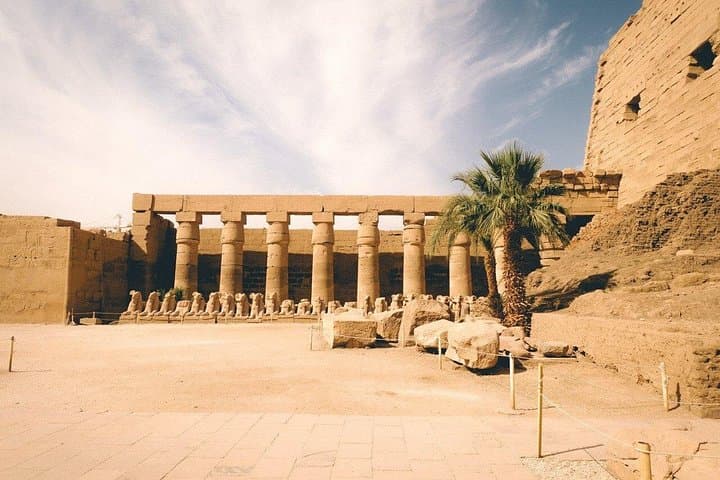
This route threads millennia: pharaonic mortuary temples, Greco-Roman shrines, and the modern scar of the Aswan High Dam, which reshaped the river and forced the relocation of Abu Simbel in the 1960s. Geologically the banks alternate between Nile silt flats and exposed sandstone ledges; culturally, the route crosses Nubian communities and Luxor’s enormous New Kingdom complexes—Karnak, Luxor Temple, and the Valley of the Kings.
Expect guided site visits (Abu Simbel, Kom Ombo, Edfu, Luxor), a shared Abu Simbel transfer, and a sunrise hot air balloon over Luxor’s west bank. Walking surfaces range from packed earth and temple stones to cobbled village lanes; elevation change is negligible, but expect stairs and uneven temple ramps.
Practical tips: rise very early for the balloon and for Abu Simbel departures, carry a day pack with water, sun protection, and cash for tips and market buys. Wear sturdy closed-toe shoes for temple grounds and modest clothing for religious sites. The pace balances relaxed sailing with several short, intense excursions—good planning and a flexible attitude make the most of both river calm and ancient spectacle.
easy.
4 days.
Suitable for travelers in light to moderate fitness; requires ability to walk short distances, climb stairs, and handle early starts.
Yes—the itinerary lists hot air balloon entrance as included; confirm timing with your operator the evening before.
No—most activities are accessible with light walking, though some temple sites have stairs and uneven ground.
Abu Simbel is visited in a shared small-group transfer according to the itinerary—expect an early pick-up and coach transfer.
Many areas and the cruise transfers note wheelchair accessibility, but several temple sites have steps—check specific mobility needs with the operator in advance.
The Nile corridor between Aswan and Luxor holds centuries of New Kingdom monuments; notable engineering projects like the Aswan High Dam reshaped both river ecology and the fate of ancient sites such as Abu Simbel, which was relocated in the 1960s.
Tour operators emphasize respectful visitation—avoid touching reliefs, stay on marked paths, and reduce single-use plastics; local preservation projects balance tourism revenue with site protection.
Nile Prince Travel operates guided outdoor trips and adventures with an emphasis on safety, stewardship, and memorable experiences.
Boarding at dawn in Aswan, the Nile slips by like a slow, obliging current, daring travelers to slow their pulse to its pace. The cruise climbs the river over three nights—past island gardens, rust-colored desert cliffs, and Nubian villages where laundry flaps like small flags in the breeze. On deck, the river’s surface mirrors temple pylons and the occasional felucca that tacks into the wind.
Boarding at dawn in Aswan, the Nile slips by like a slow, obliging current, daring travelers to slow their pulse to its pace. The cruise climbs the river over three nights—past island gardens, rust-colored desert cliffs, and Nubian villages where laundry flaps like small flags in the breeze. On deck, the river’s surface mirrors temple pylons and the occasional felucca that tacks into the wind.
This route threads millennia: pharaonic mortuary temples, Greco-Roman shrines, and the modern scar of the Aswan High Dam, which reshaped the river and forced the relocation of Abu Simbel in the 1960s. Geologically the banks alternate between Nile silt flats and exposed sandstone ledges; culturally, the route crosses Nubian communities and Luxor’s enormous New Kingdom complexes—Karnak, Luxor Temple, and the Valley of the Kings.
Expect guided site visits (Abu Simbel, Kom Ombo, Edfu, Luxor), a shared Abu Simbel transfer, and a sunrise hot air balloon over Luxor’s west bank. Walking surfaces range from packed earth and temple stones to cobbled village lanes; elevation change is negligible, but expect stairs and uneven temple ramps.
Practical tips: rise very early for the balloon and for Abu Simbel departures, carry a day pack with water, sun protection, and cash for tips and market buys. Wear sturdy closed-toe shoes for temple grounds and modest clothing for religious sites. The pace balances relaxed sailing with several short, intense excursions—good planning and a flexible attitude make the most of both river calm and ancient spectacle.