THE ADVENTURE COLLECTIVE® · Independent discovery and booking for outdoor travel

Slow the pace on a traditional felucca between Luxor and Aswan. Three nights on the Nile, with temple visits, desert cliffs and market stops, offer an intimate way to experience Egypt’s river culture.
Slow the pace on a traditional felucca between Luxor and Aswan. Three nights on the Nile, with temple visits, desert cliffs and market stops, offer an intimate way to experience Egypt’s river culture.
You board at first light in Luxor, leathered sails unfurling as the felucca slips away from the quay. The Nile widens, villages blur into palm-fringed banks and the boat’s gentle pitch sets a slow, steady heartbeat. Nights are spent on mattresses under a sky that seems closer than the city lights you left behind.
Verified experiences and guided adventures in the surrounding area.
Operated by Alista Tours · Luxor, Luxor Governorate
You board at first light in Luxor, leathered sails unfurling as the felucca slips away from the quay. The Nile widens, villages blur into palm-fringed banks and the boat’s gentle pitch sets a slow, steady heartbeat. Nights are spent on mattresses under a sky that seems closer than the city lights you left behind.
This is a route shaped by history: pharaonic trade and later Nubian life follow the river’s course. Sandstone quarries at Gebel el-Silsila still show the scars of ancient stonecutters; temples at Edfu and Kom Ombo guard rituals and reliefs that survived millennia. Daraw’s camel market is a living page from the region’s pastoral economy, where voices and animals create a raw, immediate spectacle.
Geology here is obvious — banded sandstone cliffs, riverine silt plains and the occasional island palm that interrupts the current. Culturally, the Nile between Luxor and Aswan is a meeting point of Egyptian and Nubian traditions: markets, donkeys, and small agricultural plots cling to the banks.
Practical guidance: plan for strong sun and cool nights — bring sun protection and a warm midlayer. The felucca ride is low-impact but requires moderate mobility for boarding and island landings. Meals are prepared onboard; a support boat carries bathroom facilities and luggage. Expect unpaved walks at archaeological stops, simple camping comforts on deck, and intermittent cellphone coverage.
Timing matters — sunrise and sunset frame the day for photography and cooler sailing. Carry cash for local purchases and small tips, respect local customs at markets and religious sites, and leave no trace on islands or quaysides to preserve this river life for the next traveler.
moderate.
3 days.
Suitable for travelers with moderate fitness — able to board small boats, walk short unpaved stretches and climb temple steps.
No — entrance tickets for Edfu, Kom Ombo and other sites are not included; bring cash for admissions or buy tickets locally.
Yes, feluccas use mattresses and bedding with crew oversight; a support boat provides toilets and showers for comfort and privacy.
Yes, stops for swimming are common at islands; check with the crew about currents and safe entry points before jumping in.
You are transferred to Aswan train station or airport; optional private transfers to local sites like Philae Temple are available for an extra fee.
The Nile corridor has been a transport and trade artery for millennia; many quarry sites and temples along this stretch supplied stone and ritual centers for ancient Egypt.
Stick to established mooring spots, avoid burning plastics, and use biodegradable toiletries to limit pollution and protect river ecosystems.
Alista Tours operates guided outdoor trips and adventures with an emphasis on safety, stewardship, and memorable experiences.
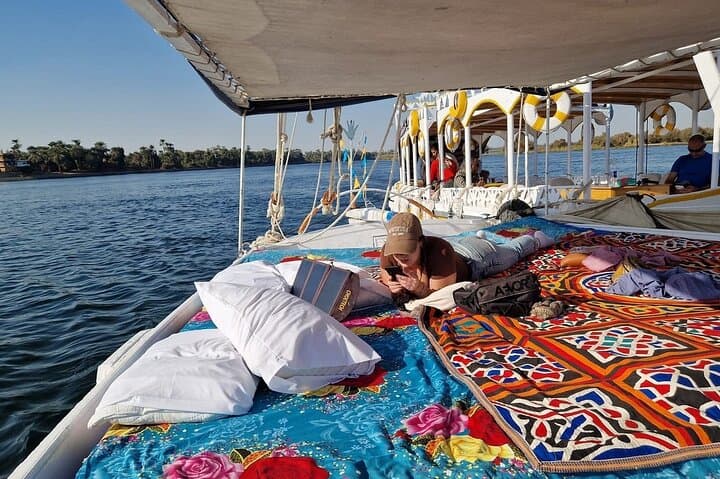
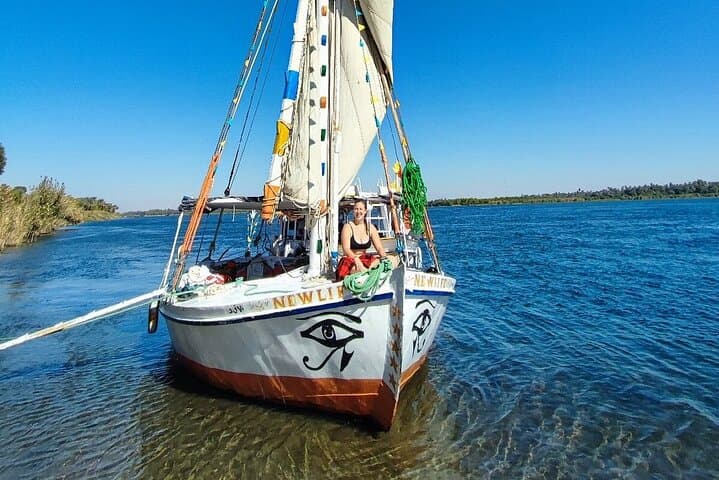
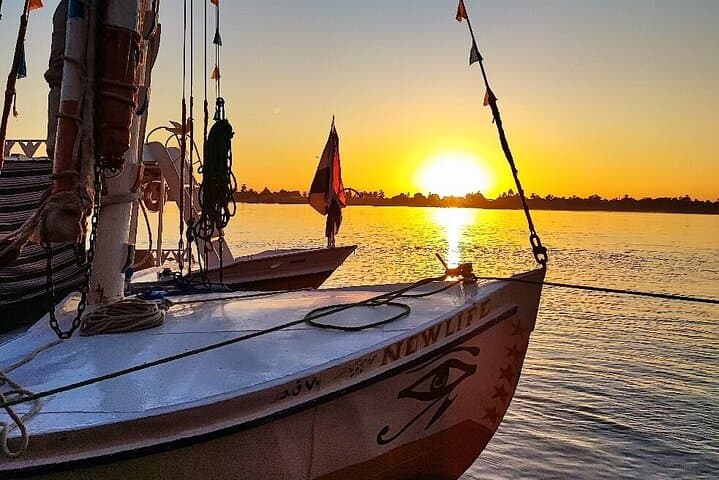
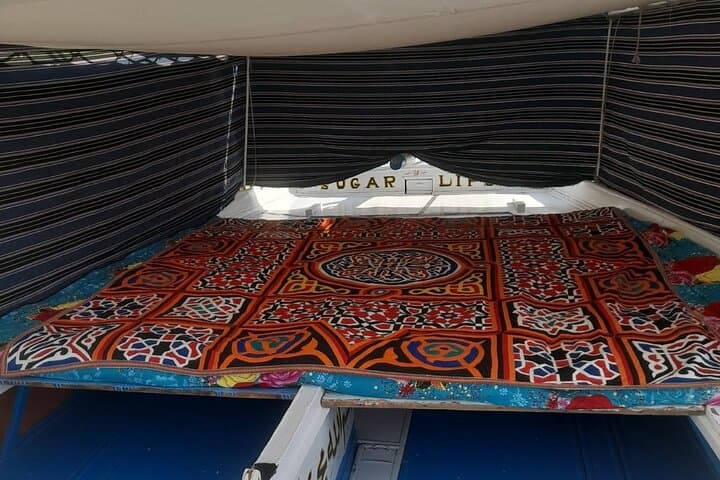
You board at first light in Luxor, leathered sails unfurling as the felucca slips away from the quay. The Nile widens, villages blur into palm-fringed banks and the boat’s gentle pitch sets a slow, steady heartbeat. Nights are spent on mattresses under a sky that seems closer than the city lights you left behind.
You board at first light in Luxor, leathered sails unfurling as the felucca slips away from the quay. The Nile widens, villages blur into palm-fringed banks and the boat’s gentle pitch sets a slow, steady heartbeat. Nights are spent on mattresses under a sky that seems closer than the city lights you left behind.
This is a route shaped by history: pharaonic trade and later Nubian life follow the river’s course. Sandstone quarries at Gebel el-Silsila still show the scars of ancient stonecutters; temples at Edfu and Kom Ombo guard rituals and reliefs that survived millennia. Daraw’s camel market is a living page from the region’s pastoral economy, where voices and animals create a raw, immediate spectacle.
Geology here is obvious — banded sandstone cliffs, riverine silt plains and the occasional island palm that interrupts the current. Culturally, the Nile between Luxor and Aswan is a meeting point of Egyptian and Nubian traditions: markets, donkeys, and small agricultural plots cling to the banks.
Practical guidance: plan for strong sun and cool nights — bring sun protection and a warm midlayer. The felucca ride is low-impact but requires moderate mobility for boarding and island landings. Meals are prepared onboard; a support boat carries bathroom facilities and luggage. Expect unpaved walks at archaeological stops, simple camping comforts on deck, and intermittent cellphone coverage.
Timing matters — sunrise and sunset frame the day for photography and cooler sailing. Carry cash for local purchases and small tips, respect local customs at markets and religious sites, and leave no trace on islands or quaysides to preserve this river life for the next traveler.