THE ADVENTURE COLLECTIVE® · Independent discovery and booking for outdoor travel

Journey by train from Delhi to two of India’s most evocative cities: Agra’s Mughal monuments and Varanasi’s riverfront rituals. This 3‑night tour pairs sunrise at the Taj with the sacred spectacle of Sarnath and the Ganga Aarti.
Journey by train from Delhi to two of India’s most evocative cities: Agra’s Mughal monuments and Varanasi’s riverfront rituals. This 3‑night tour pairs sunrise at the Taj with the sacred spectacle of Sarnath and the Ganga Aarti.
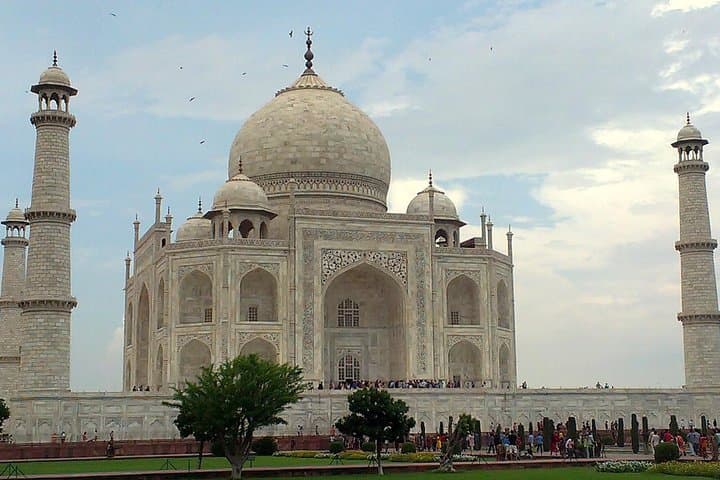
You step off an air‑conditioned Shatabdi in Agra and the heat and stone hit like a living map: red sandstone ramparts, white marble domes, and the distant silhouette of the Taj Mahal shifting with the sun.
Verified experiences and guided adventures in the surrounding area.
Operated by Delhi Airport Service · New Delhi, Delhi
You step off an air‑conditioned Shatabdi in Agra and the heat and stone hit like a living map: red sandstone ramparts, white marble domes, and the distant silhouette of the Taj Mahal shifting with the sun.
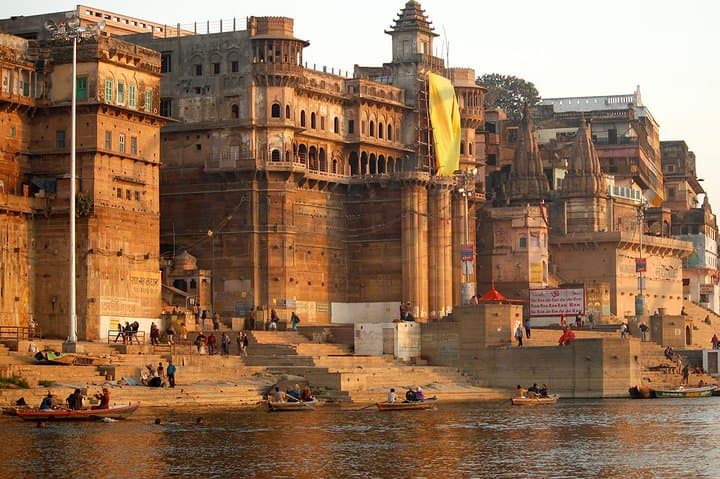
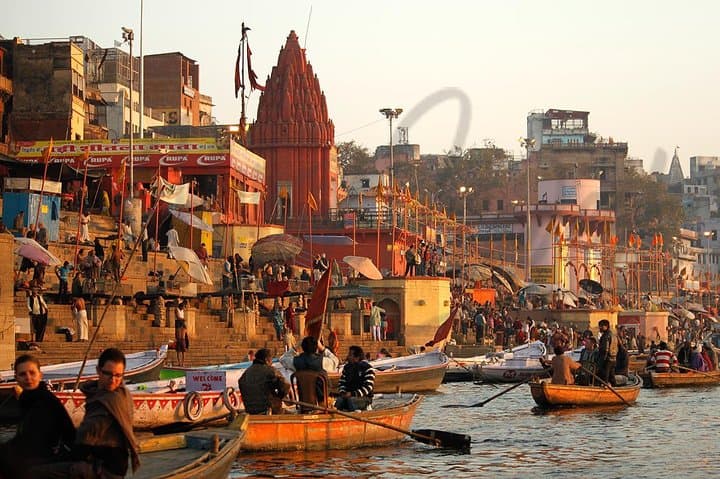
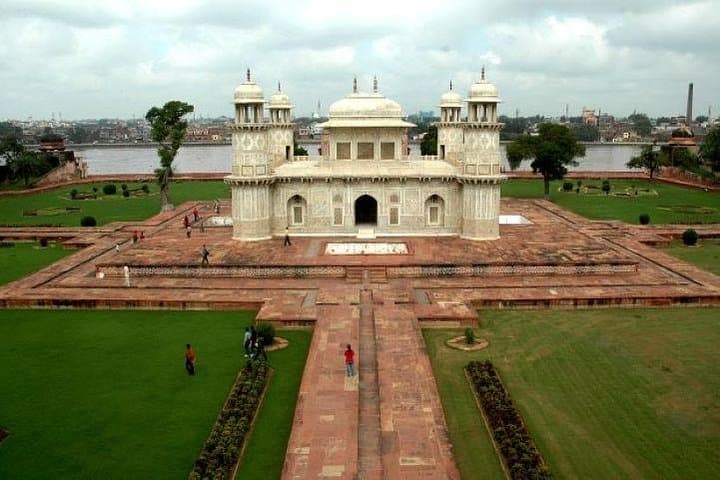
This compact 3‑night itinerary moves fast—Delhi to Agra by daytime train, an overnight rail leg to Varanasi, then a final overnight return—so expect rhythm and motion as much as monuments. In Agra you’ll visit the Taj Mahal (Shah Jahan’s 17th‑century mausoleum), the crenellated Agra Fort (built by Akbar in 1565) and the smaller Itmad‑ud‑Daulah. Varanasi offers a contrasting immersion: Sarnath, where the Buddha first taught in the 6th century BC, and the evening Ganga Aarti, when oil lamps and Sanskrit chants pull the river into a living ritual.
Geology and history are close companions here: alluvial plains feed the Ganges while Mughal architecture layers marble and red sandstone into clearly readable forms. Culture is tactile—flowers, incense, market spices and the measured push of pilgrims at the ghats.
Practical notes: the tour includes most meals and select admissions, but carry a current passport and wear modest, comfortable clothing for temple visits. Plan for moderate walking on uneven surfaces and multiple security checks at monuments. Early morning is best for the Taj to avoid crowds and heat; the evening Aarti in Varanasi is sensory and crowded—arrive early for a good vantage. Hydrate, pack light for train berths, and leave room in your schedule for short, quiet detours off the main route.
moderate.
3–4 days.
Suitable for travelers who can manage several hours of walking over cobbled and uneven surfaces and boarding trains.
Some admissions (Taj Mahal, Agra Fort, Itmad‑ud‑Daulah, Sarnath) are listed as included in the itinerary, but confirm specifics with the operator before travel.
The tour involves a moderate amount of walking on uneven surfaces, stairs and river ghats; comfortable shoes are recommended.
Travel between cities is in air‑conditioned coaches; some overnight segments may be in sleeper berths—expect basic but functional rail accommodations.
The operator notes this tour is not recommended for pregnant travelers or those with cardiovascular concerns due to travel and walking demands.
Agra’s major monuments were built during the Mughal era (16th–17th centuries); Sarnath is the site of the Buddha’s first sermon, established as an important pilgrimage center centuries earlier.
The Ganges faces pollution pressures—minimize plastic, avoid throwing offerings directly into the river, and support local eco‑friendly operators when possible.
Delhi Airport Service operates guided outdoor trips and adventures with an emphasis on safety, stewardship, and memorable experiences.
You step off an air‑conditioned Shatabdi in Agra and the heat and stone hit like a living map: red sandstone ramparts, white marble domes, and the distant silhouette of the Taj Mahal shifting with the sun.
You step off an air‑conditioned Shatabdi in Agra and the heat and stone hit like a living map: red sandstone ramparts, white marble domes, and the distant silhouette of the Taj Mahal shifting with the sun.
This compact 3‑night itinerary moves fast—Delhi to Agra by daytime train, an overnight rail leg to Varanasi, then a final overnight return—so expect rhythm and motion as much as monuments. In Agra you’ll visit the Taj Mahal (Shah Jahan’s 17th‑century mausoleum), the crenellated Agra Fort (built by Akbar in 1565) and the smaller Itmad‑ud‑Daulah. Varanasi offers a contrasting immersion: Sarnath, where the Buddha first taught in the 6th century BC, and the evening Ganga Aarti, when oil lamps and Sanskrit chants pull the river into a living ritual.
Geology and history are close companions here: alluvial plains feed the Ganges while Mughal architecture layers marble and red sandstone into clearly readable forms. Culture is tactile—flowers, incense, market spices and the measured push of pilgrims at the ghats.
Practical notes: the tour includes most meals and select admissions, but carry a current passport and wear modest, comfortable clothing for temple visits. Plan for moderate walking on uneven surfaces and multiple security checks at monuments. Early morning is best for the Taj to avoid crowds and heat; the evening Aarti in Varanasi is sensory and crowded—arrive early for a good vantage. Hydrate, pack light for train berths, and leave room in your schedule for short, quiet detours off the main route.