THE ADVENTURE COLLECTIVE® · Independent discovery and booking for outdoor travel

See the National Mall’s major memorials in a focused three-hour walk led by a local guide. This small-group experience pairs historical context with optimal photo vantage points and practical pacing for a compact visit to Washington, D.C.'s civic core.
See the National Mall’s major memorials in a focused three-hour walk led by a local guide. This small-group experience pairs historical context with optimal photo vantage points and practical pacing for a compact visit to Washington, D.C.'s civic core.
A late-morning sunlight cuts across the grassy sweep of the National Mall as a small group follows a guide toward the marble steps of the Lincoln Memorial. The city’s memorials are not static monuments but scenes that change with passing light and season: the reflecting pool mirrors a cloud, a breeze sends ripples across the Tidal Basin, and the stone faces of presidents and veterans meet the eye with quiet, human scale.
Verified experiences and guided adventures in the surrounding area.
Operated by TOUR BUY THE HOUR LLC · Washington, District of Columbia
A late-morning sunlight cuts across the grassy sweep of the National Mall as a small group follows a guide toward the marble steps of the Lincoln Memorial. The city’s memorials are not static monuments but scenes that change with passing light and season: the reflecting pool mirrors a cloud, a breeze sends ripples across the Tidal Basin, and the stone faces of presidents and veterans meet the eye with quiet, human scale.
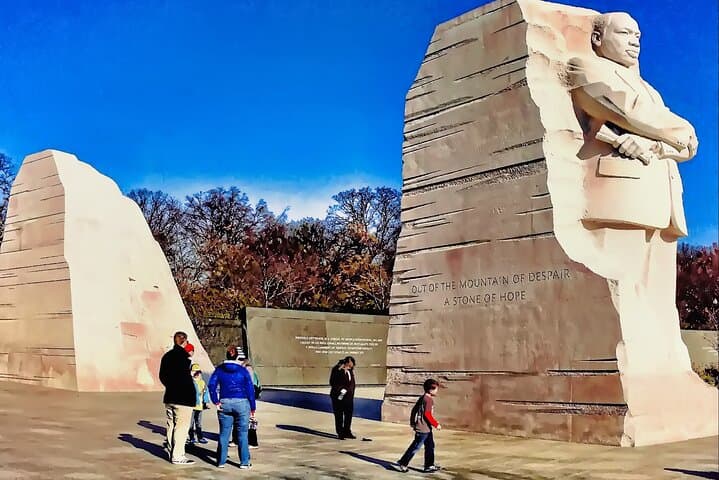
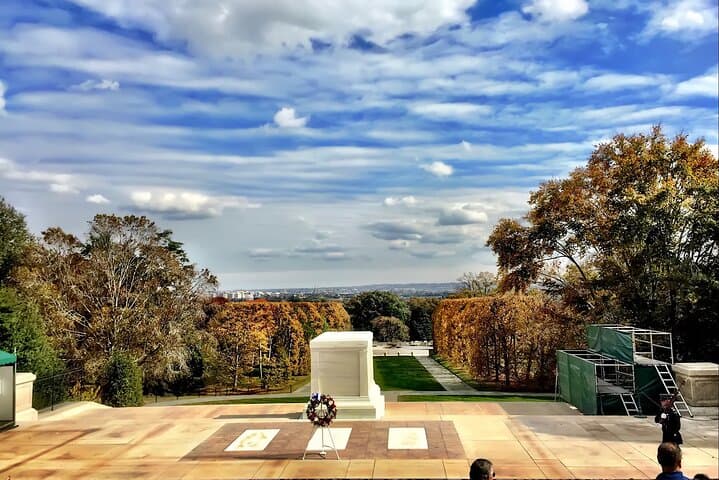
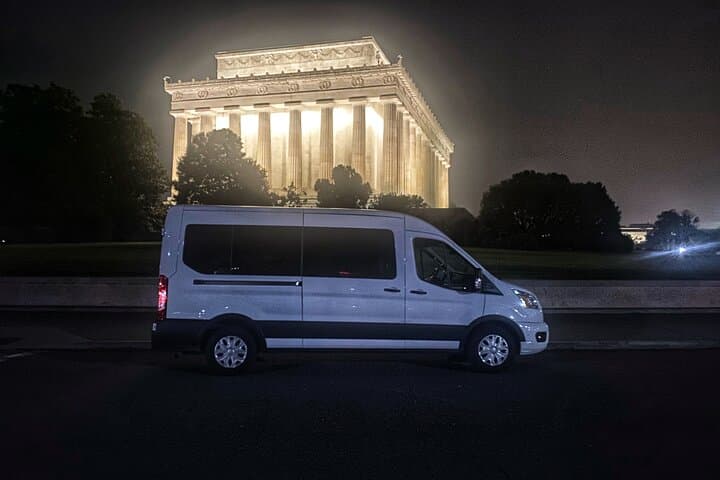
This three-hour loop threads through 20th-century and earlier history — from the Greek‑temple form of the Lincoln Memorial (dedicated 1922) to the Jefferson Memorial on the Tidal Basin (opened to the public in 1943), and the relatively new Martin Luther King Jr. Memorial (opened August 28, 2011). Guides typically stop at the Vietnam and Korean War Veterans Memorials, explain the stories behind plaques and inscriptions, and point out vantage points for civic architecture like the Capitol and White House.
Geology in the city is subtle: the Mall sits on riverine plains and reclaimed tidal flats, which influences drainage and sightlines; the stone used in memorials — marble and granite — reflects sourcing choices tied to early 20th-century nationalism.
Practical notes: expect about 1.5–2 miles of mostly flat walking on sidewalks and paved paths, frequent photo stops, and short on‑site talks (roughly 15–20 minutes each). Bring water, wear sturdy walking shoes, and time visits to avoid midday crowds at the most popular memorials. Guides will pace the group for accessibility and photo time, making this an efficient way to see the Mall’s major sites in a single, informative outing.
easy.
3 hours.
Suitable for most fitness levels; requires the ability to stand and walk for several short intervals.
The route covers about 1.5–2 miles over flat paved surfaces with some steps; it is rated easy and suitable for most participants.
No—most memorials on the National Mall are free to enter; any paid sites would be noted in the booking details.
The tour description indicates wheelchair accessibility; notify the operator of mobility needs when booking to ensure proper accommodations.
Tours may be canceled or rescheduled for severe weather; check cancellation policies and bring rain gear for light showers.
Many memorials were built in the early to mid-20th century to commemorate presidents and wars; newer memorials like MLK Jr.'s reflect 21st-century additions to the Mall's narrative.
The National Park Service manages the Mall with active maintenance and sustainability programs; visitors are asked to stay on paths and pack out trash to protect landscapes and plantings.
TOUR BUY THE HOUR LLC operates guided outdoor trips and adventures with an emphasis on safety, stewardship, and memorable experiences.
A late-morning sunlight cuts across the grassy sweep of the National Mall as a small group follows a guide toward the marble steps of the Lincoln Memorial. The city’s memorials are not static monuments but scenes that change with passing light and season: the reflecting pool mirrors a cloud, a breeze sends ripples across the Tidal Basin, and the stone faces of presidents and veterans meet the eye with quiet, human scale.
A late-morning sunlight cuts across the grassy sweep of the National Mall as a small group follows a guide toward the marble steps of the Lincoln Memorial. The city’s memorials are not static monuments but scenes that change with passing light and season: the reflecting pool mirrors a cloud, a breeze sends ripples across the Tidal Basin, and the stone faces of presidents and veterans meet the eye with quiet, human scale.
This three-hour loop threads through 20th-century and earlier history — from the Greek‑temple form of the Lincoln Memorial (dedicated 1922) to the Jefferson Memorial on the Tidal Basin (opened to the public in 1943), and the relatively new Martin Luther King Jr. Memorial (opened August 28, 2011). Guides typically stop at the Vietnam and Korean War Veterans Memorials, explain the stories behind plaques and inscriptions, and point out vantage points for civic architecture like the Capitol and White House.
Geology in the city is subtle: the Mall sits on riverine plains and reclaimed tidal flats, which influences drainage and sightlines; the stone used in memorials — marble and granite — reflects sourcing choices tied to early 20th-century nationalism.
Practical notes: expect about 1.5–2 miles of mostly flat walking on sidewalks and paved paths, frequent photo stops, and short on‑site talks (roughly 15–20 minutes each). Bring water, wear sturdy walking shoes, and time visits to avoid midday crowds at the most popular memorials. Guides will pace the group for accessibility and photo time, making this an efficient way to see the Mall’s major sites in a single, informative outing.