THE ADVENTURE COLLECTIVE® · Independent discovery and booking for outdoor travel

Race along windswept beaches and through argan groves on a guided 3-hour quad from Essaouira. This coastal ride balances dune thrills with cultural stops near Diabat, making it accessible to beginners and appealing to experienced riders.
Race along windswept beaches and through argan groves on a guided 3-hour quad from Essaouira. This coastal ride balances dune thrills with cultural stops near Diabat, making it accessible to beginners and appealing to experienced riders.
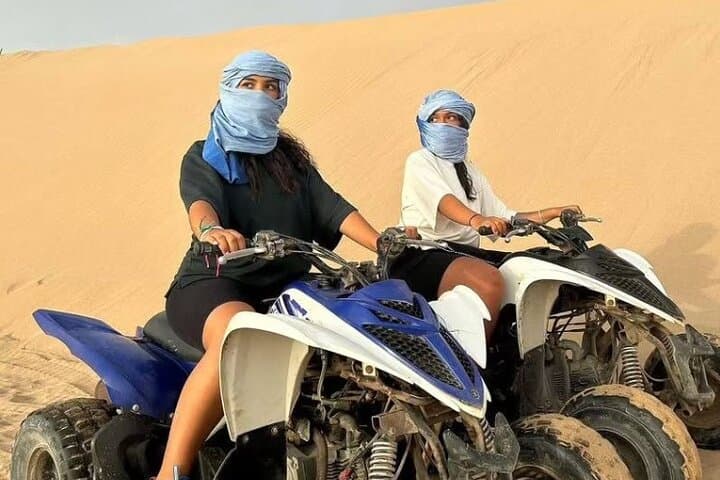
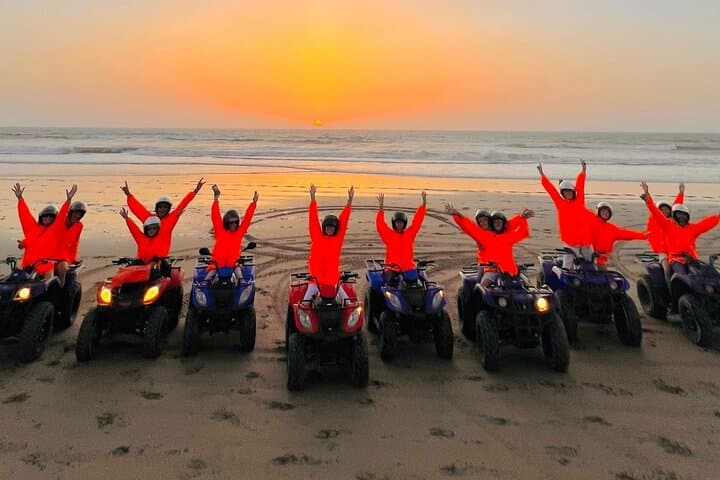
The engine kicks; sand throws itself under your wheels and the Atlantic wind pushes you along the shoreline. Within minutes the town’s port and white houses fall away and the terrain opens into long beaches, rolling dunes and the knotted argan woodland that defines this stretch of Morocco.
Verified experiences and guided adventures in the surrounding area.
Operated by Moga Quad · Essaouira, Marrakech-Safi
The engine kicks; sand throws itself under your wheels and the Atlantic wind pushes you along the shoreline. Within minutes the town’s port and white houses fall away and the terrain opens into long beaches, rolling dunes and the knotted argan woodland that defines this stretch of Morocco.
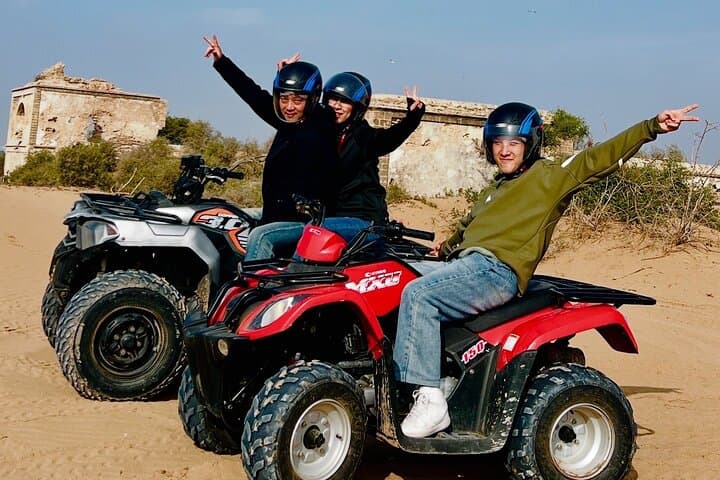
This corridor between Diabat and Essaouira bears visible history: fortified walls from the 18th century and traces of earlier Portuguese occupation give the coast a lived-in quality. Geologically the area is recent coastal plain and wind-shaped dunes over a limestone base, and the argan trees—products of a semi-arid climate—hold a landscape shaped by centuries of grazing and human use. Local guides often pair route choices with stories about Essaouira’s fishing culture and the argan cooperatives that support women’s crafts in nearby villages.
Expect varied surface under tire: compact beach sand, soft hummocks, and packed tracks through low forest. The pace is adventurous but guided; routes can be adapted for novices and experienced riders alike. Bring layered clothing against the coastal breeze, eye protection for sand, and a water bottle you can access while seated.
Practical notes: tours typically last about three hours, with helmets provided and short safety briefings before departure. Moderate fitness helps for handling rough patches and long turns. Start mid-morning to avoid the hottest hours, and leave time afterward to stroll Essaouira’s ramparts or visit an argan cooperative—both quick ways to round out the day.
moderate.
3 hours.
Moderate fitness required—comfortable walking and the ability to handle uneven footing help when remounting or during short hikes.
No—most 3-hour tours welcome beginners and include a safety briefing and gradual practice; inform the operator of your comfort level so the guide can adapt the route.
Yes, operators typically provide helmets and basic protective gear; confirm at booking if you need a specific size or additional padding.
Requirements vary—many operators set a minimum driver age around 16–18 and passenger limits for safety; check the tour’s booking conditions before you go.
Coastal winds and light rain rarely cancel tours, but organizers may cancel for severe weather; the standard cancellation policy often allows a refund if you cancel at least 24 hours in advance.
Essaouira (historically Mogador) has fortified ramparts built in the 18th century and a long role as a fishing and trading port, influencing local architecture and maritime culture.
The argan woodlands are part of regional conservation efforts—support local cooperatives and stay on established tracks to reduce erosion and protect regenerating trees.
Moga Quad operates guided outdoor trips and adventures with an emphasis on safety, stewardship, and memorable experiences.

The engine kicks; sand throws itself under your wheels and the Atlantic wind pushes you along the shoreline. Within minutes the town’s port and white houses fall away and the terrain opens into long beaches, rolling dunes and the knotted argan woodland that defines this stretch of Morocco.
The engine kicks; sand throws itself under your wheels and the Atlantic wind pushes you along the shoreline. Within minutes the town’s port and white houses fall away and the terrain opens into long beaches, rolling dunes and the knotted argan woodland that defines this stretch of Morocco.
This corridor between Diabat and Essaouira bears visible history: fortified walls from the 18th century and traces of earlier Portuguese occupation give the coast a lived-in quality. Geologically the area is recent coastal plain and wind-shaped dunes over a limestone base, and the argan trees—products of a semi-arid climate—hold a landscape shaped by centuries of grazing and human use. Local guides often pair route choices with stories about Essaouira’s fishing culture and the argan cooperatives that support women’s crafts in nearby villages.
Expect varied surface under tire: compact beach sand, soft hummocks, and packed tracks through low forest. The pace is adventurous but guided; routes can be adapted for novices and experienced riders alike. Bring layered clothing against the coastal breeze, eye protection for sand, and a water bottle you can access while seated.
Practical notes: tours typically last about three hours, with helmets provided and short safety briefings before departure. Moderate fitness helps for handling rough patches and long turns. Start mid-morning to avoid the hottest hours, and leave time afterward to stroll Essaouira’s ramparts or visit an argan cooperative—both quick ways to round out the day.