THE ADVENTURE COLLECTIVE® · Independent discovery and booking for outdoor travel

Walk three hours through Stone Town’s coral-stone alleys, from the Old Fort to the Former Slave Market, guided by local history and living markets. This private tour blends architecture, cultural context, and practical tips for making the most of Zanzibar’s UNESCO-listed old city.
Walk three hours through Stone Town’s coral-stone alleys, from the Old Fort to the Former Slave Market, guided by local history and living markets. This private tour blends architecture, cultural context, and practical tips for making the most of Zanzibar’s UNESCO-listed old city.
You emerge from the bright glare of the waterfront into a maze of narrow coral-stone alleys where laundry flutters from carved wooden balconies and the sea scent pushes a steady, salty whisper through the streets.
Verified experiences and guided adventures in the surrounding area.
Operated by Wonder Wise Zanzibar with Guide · Stone Town, Zanzibar
You emerge from the bright glare of the waterfront into a maze of narrow coral-stone alleys where laundry flutters from carved wooden balconies and the sea scent pushes a steady, salty whisper through the streets.
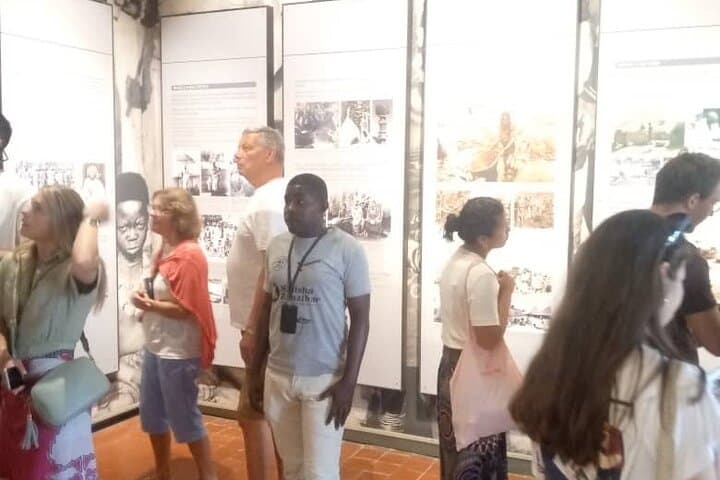
This private, roughly three-hour walk threads the essential sites of Stone Town: the 17th‑century Old Fort, the photograph-ready Freddie Mercury house, the frenetic Darajani fish market, Beit al-Ajaib (House of Wonders) and the Former Slave Market with its memorial and subterranean chambers. Stone Town’s streets tell a layered story—Omani Arab traders built the carved doors and porticoes, Swahili merchants shaped the coastal culture, and the island’s role in the Indian Ocean spice and slave trades left visible, often somber, traces.
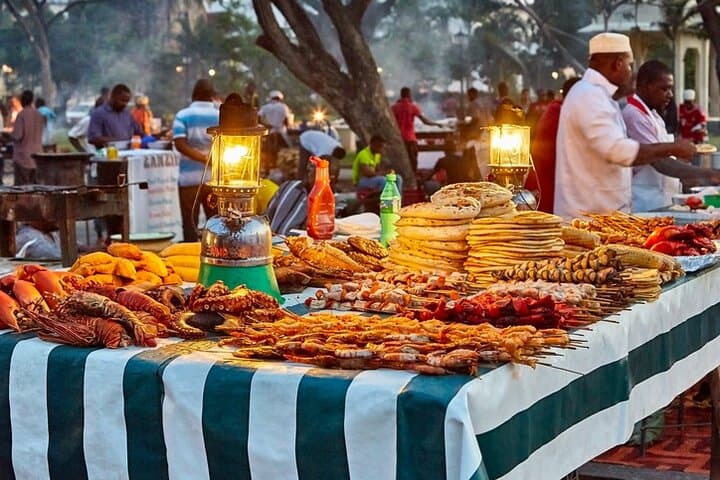
Geologically the town sits on uplifted coral limestone; walls and narrow alleys retain heat and shade in equal measure, so the timing of your visit changes the mood—gold light at dusk, bright contrast at midday. Local insights: market vendors favor lively bargaining, guides often double as cultural interpreters, and evening Forodhani Gardens offers a contrasting food-scene vibe if you stay on after the tour.
Practical guidance: this is an easy, urban walking tour on mostly paved and uneven stone surfaces—choose sturdy shoes, bring sunscreen and a refillable water bottle (the tour includes bottled water), and plan to start early to avoid the hottest hours. Respect local dress codes near religious sites, ask before photographing people, and set aside a small tip for your guide. The itinerary is wheelchair accessible in parts but some alleys and sites have steps—confirm accessibility when booking.
easy.
3 hours.
Suitable for most fitness levels; involves up to three hours of standing and walking on uneven pavement.
Meeting is typically in Stone Town near the Forodhani waterfront or by prior arrangement at your Stone Town hotel—confirm with your guide before the tour.
Yes—this private tour is stroller-accessible in many areas, though some alleys and historic sites have steps; notify operators if you need full wheelchair access.
Some sites included on the itinerary provide included admission, but confirm specifics when booking—certain attractions may charge entry separately.
Tipping is customary for private tours; a modest tip based on satisfaction (5–10% or local equivalent) is appreciated.
Stone Town is a UNESCO World Heritage Site shaped by centuries of Swahili, Arab, Persian and European influence; it was a major hub in the Indian Ocean spice and slave trades.
Historic coral-stone buildings are sensitive to erosion and humidity—minimize touching facades, avoid single-use plastics, and support local guides who promote sustainable tourism.
Wonder Wise Zanzibar with Guide operates guided outdoor trips and adventures with an emphasis on safety, stewardship, and memorable experiences.

You emerge from the bright glare of the waterfront into a maze of narrow coral-stone alleys where laundry flutters from carved wooden balconies and the sea scent pushes a steady, salty whisper through the streets.
You emerge from the bright glare of the waterfront into a maze of narrow coral-stone alleys where laundry flutters from carved wooden balconies and the sea scent pushes a steady, salty whisper through the streets.
This private, roughly three-hour walk threads the essential sites of Stone Town: the 17th‑century Old Fort, the photograph-ready Freddie Mercury house, the frenetic Darajani fish market, Beit al-Ajaib (House of Wonders) and the Former Slave Market with its memorial and subterranean chambers. Stone Town’s streets tell a layered story—Omani Arab traders built the carved doors and porticoes, Swahili merchants shaped the coastal culture, and the island’s role in the Indian Ocean spice and slave trades left visible, often somber, traces.
Geologically the town sits on uplifted coral limestone; walls and narrow alleys retain heat and shade in equal measure, so the timing of your visit changes the mood—gold light at dusk, bright contrast at midday. Local insights: market vendors favor lively bargaining, guides often double as cultural interpreters, and evening Forodhani Gardens offers a contrasting food-scene vibe if you stay on after the tour.
Practical guidance: this is an easy, urban walking tour on mostly paved and uneven stone surfaces—choose sturdy shoes, bring sunscreen and a refillable water bottle (the tour includes bottled water), and plan to start early to avoid the hottest hours. Respect local dress codes near religious sites, ask before photographing people, and set aside a small tip for your guide. The itinerary is wheelchair accessible in parts but some alleys and sites have steps—confirm accessibility when booking.