THE ADVENTURE COLLECTIVE® · Independent discovery and booking for outdoor travel

Spend three hours riding Zermatt’s alpine trails with a local guide and views of the Matterhorn. This guided tour suits beginners through advanced riders and mixes forest singletrack with high-alpine descents.
Spend three hours riding Zermatt’s alpine trails with a local guide and views of the Matterhorn. This guided tour suits beginners through advanced riders and mixes forest singletrack with high-alpine descents.
You push off from the main street behind the Rolex shop, wheels humming, and the valley air sharp with glacier-cold clarity. Overhead the Matterhorn watches, its ridgelines daring you to move faster; below, forested singletrack drops into tight turns that reward precise braking and quick weight shifts.
Verified experiences and guided adventures in the surrounding area.
Operated by PDS Snowsport · Zermatt, Valais
You push off from the main street behind the Rolex shop, wheels humming, and the valley air sharp with glacier-cold clarity. Overhead the Matterhorn watches, its ridgelines daring you to move faster; below, forested singletrack drops into tight turns that reward precise braking and quick weight shifts.
Zermatt sits at about 1,620 m in Valais, Switzerland — a village shaped by alpinism and a long history of mountain guiding that now includes a strong mountain-biking scene. The bedrock here is primarily gneiss and granite, scoured into steep cols and sweeping moraines by past glaciers; that geology makes for coarse, grippy trails and sudden exposed sections with big views. Locals balance tourism and alpine farming culture, and trail stewardship is active—expect well-marked routes and seasonal closures aimed at protecting fragile high-alpine vegetation.
In three hours with a guide you’ll typically cover 10–20 km with roughly 300–600 m of climbing and descending, mixing gravel forest roads, bermed singletrack and technical root-strewn sections. Guides tailor lines to skill level, from gentle flowing runs for families to steeper, faster descents for advanced riders.
Practical tips: arrive with a properly sized bike and helmet, eat and hydrate before leaving, and choose mid-morning starts to avoid afternoon storms. Layers matter — mountain weather changes fast. If you’re new to alpine singletrack, ask the guide to drill braking technique and line choice early; if you’re confident, request the more technical trails and panoramic ridgeline descents toward Findeln or Sunnegga. Respect trail closures and follow your guide’s pace — that’s the best way to leave the mountains as they were found.
moderate.
3 hours.
Moderate fitness is recommended — you should be comfortable with sustained climbs and short technical descents.
Many guides offer rental bikes and helmets—confirm when booking. If you have a preferred bike, bringing your own ensures the best fit.
Tours accommodate beginners and families, but riders should be comfortable on mixed terrain; age limits vary—check with the operator for child seat or e-bike options.
The operator’s cancellation policy allows refunds up to 24 hours before departure; guides may alter routes or reschedule for unsafe conditions like heavy rain or lightning.
Yes—carry travel insurance that covers mountain biking and emergency evacuation, as alpine terrain can complicate rescues.
Zermatt transitioned from a 19th-century mountaineering hub to a year-round mountain sports center; its trail network grew with modern guiding and sustainable tourism practices.
Trail maintenance and seasonal closures protect alpine flora; choose guided tours that follow local trail-use rules to reduce erosion and disturbance.
PDS Snowsport operates guided outdoor trips and adventures with an emphasis on safety, stewardship, and memorable experiences.
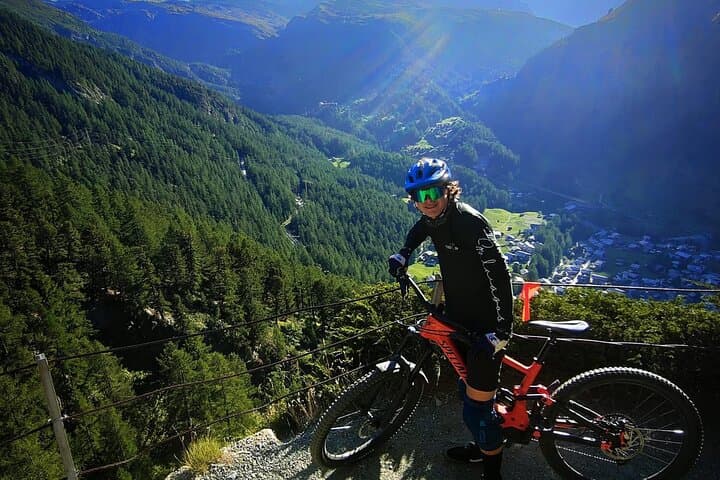
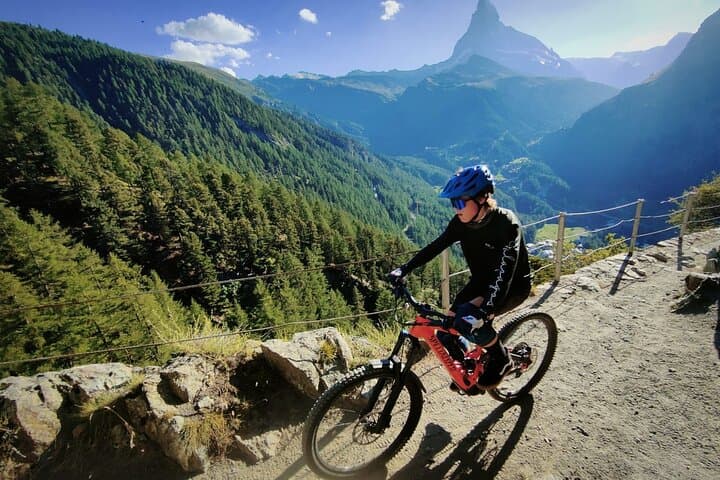
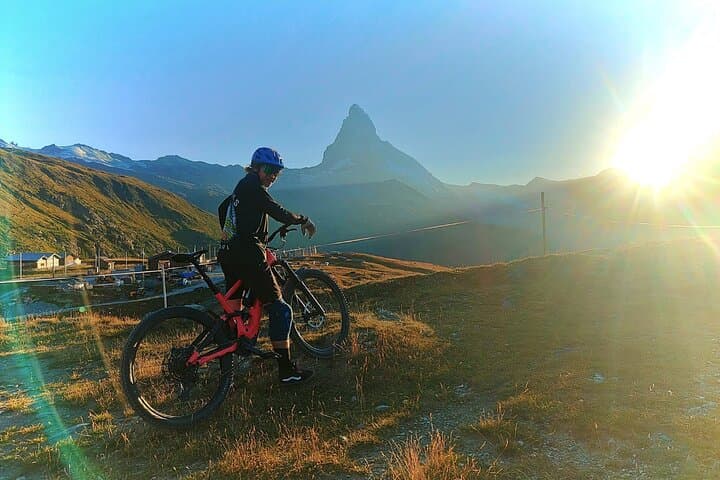
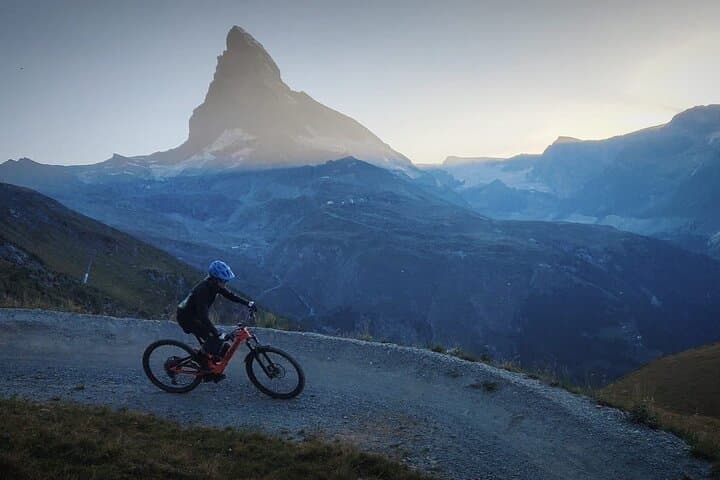
You push off from the main street behind the Rolex shop, wheels humming, and the valley air sharp with glacier-cold clarity. Overhead the Matterhorn watches, its ridgelines daring you to move faster; below, forested singletrack drops into tight turns that reward precise braking and quick weight shifts.
You push off from the main street behind the Rolex shop, wheels humming, and the valley air sharp with glacier-cold clarity. Overhead the Matterhorn watches, its ridgelines daring you to move faster; below, forested singletrack drops into tight turns that reward precise braking and quick weight shifts.
Zermatt sits at about 1,620 m in Valais, Switzerland — a village shaped by alpinism and a long history of mountain guiding that now includes a strong mountain-biking scene. The bedrock here is primarily gneiss and granite, scoured into steep cols and sweeping moraines by past glaciers; that geology makes for coarse, grippy trails and sudden exposed sections with big views. Locals balance tourism and alpine farming culture, and trail stewardship is active—expect well-marked routes and seasonal closures aimed at protecting fragile high-alpine vegetation.
In three hours with a guide you’ll typically cover 10–20 km with roughly 300–600 m of climbing and descending, mixing gravel forest roads, bermed singletrack and technical root-strewn sections. Guides tailor lines to skill level, from gentle flowing runs for families to steeper, faster descents for advanced riders.
Practical tips: arrive with a properly sized bike and helmet, eat and hydrate before leaving, and choose mid-morning starts to avoid afternoon storms. Layers matter — mountain weather changes fast. If you’re new to alpine singletrack, ask the guide to drill braking technique and line choice early; if you’re confident, request the more technical trails and panoramic ridgeline descents toward Findeln or Sunnegga. Respect trail closures and follow your guide’s pace — that’s the best way to leave the mountains as they were found.