THE ADVENTURE COLLECTIVE® · Independent discovery and booking for outdoor travel

Learn the basics of freediving in Menorca’s North Marine Reserve during a focused 3-hour session. Small groups, expert instructors, and protected seascapes deliver an accessible introduction to breath-hold diving.
Learn the basics of freediving in Menorca’s North Marine Reserve during a focused 3-hour session. Small groups, expert instructors, and protected seascapes deliver an accessible introduction to breath-hold diving.
A skiff eases away from Fornells harbor and the wind sharpens the surface; the sea almost holds its breath. Within twenty minutes the island’s northern shelf drops away and the water quiets; instructors cut engines and the ocean dares you to slow your own rhythm. Freediving here is about vertical stillness—breath control, equalization, and the slow slide along a guide line into blue.
Verified experiences and guided adventures in the surrounding area.
Operated by Dune Baleares Fornells · Fornells, Balearic Islands
A skiff eases away from Fornells harbor and the wind sharpens the surface; the sea almost holds its breath. Within twenty minutes the island’s northern shelf drops away and the water quiets; instructors cut engines and the ocean dares you to slow your own rhythm. Freediving here is about vertical stillness—breath control, equalization, and the slow slide along a guide line into blue.
The North Menorca Marine Reserve, protected for more than two decades, preserves limestone cliffs and Posidonia meadows that stabilize sediment and feed local fisheries. Geologically the north coast is raw—karst ledges and submerged boulders create short vertical walls and swim-throughs that shape how marine life congregates. Fornells itself keeps a strong fishing heritage: expect conversation about lobster caldereta and local seasons between briefings.
Practical guidance is central to the experience. Sessions run three hours with a small instructor-to-student ratio; beginners work on breathing, mask clearing, and shallow vertical dives on a guide line before progressing. Water temperatures vary from cool-spring to warm-summer; a 3mm wetsuit is common. Bring sunscreen for boat time, a filled water bottle, and a light snack—dehydration undermines breath-hold. Seasickness meds help if the day is choppy.
Safety is rigid: buddy systems, surface support, and stepwise progression minimize risk. The reward is intimate: schools of sea bream, curious octopus, and dense Posidonia plains that move like a forest. Whether aiming to learn apnea basics or taste the silence, expect hands-on coaching, steady progression, and the distinctive calm of diving without bubbles.
moderate.
3 hours.
Reasonable swimming ability and basic cardiovascular fitness; comfort in open water required.
No—most sessions are designed for beginners and cover breath techniques, equalization, and guided shallow dives with instructor supervision.
Participants must generally be medically fit for breath-hold activity; instructors will request medical history and certain conditions (cardiac, pregnancy) are contraindications.
Beginners typically work in shallow vertical profiles of 3–10 meters using a guide line and stepwise progression under supervision.
Common sightings include sea bream, groupers near rocky ledges, octopus, and the Posidonia meadows that support juvenile fish.
The North Menorca Marine Reserve was established roughly 25 years ago to protect fisheries and underwater habitats, reinforcing local sustainable fishing practices.
Respect no-take zones and avoid touching seabed vegetation—Posidonia meadows are slow-growing and central to the reserve’s health.
Dune Baleares Fornells operates guided outdoor trips and adventures with an emphasis on safety, stewardship, and memorable experiences.

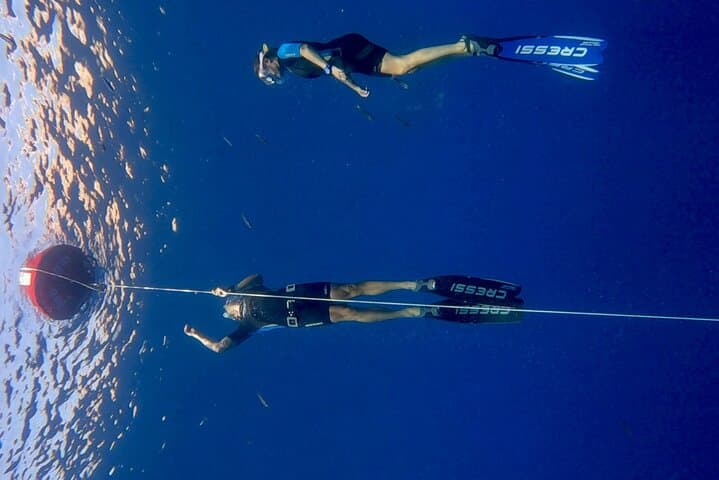

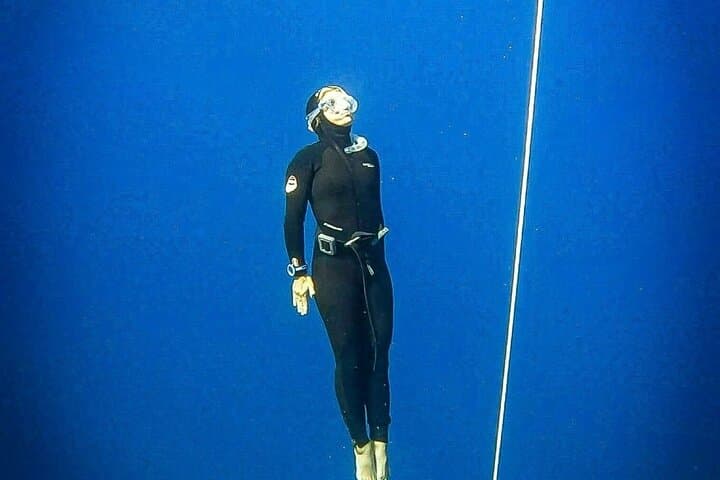
A skiff eases away from Fornells harbor and the wind sharpens the surface; the sea almost holds its breath. Within twenty minutes the island’s northern shelf drops away and the water quiets; instructors cut engines and the ocean dares you to slow your own rhythm. Freediving here is about vertical stillness—breath control, equalization, and the slow slide along a guide line into blue.
A skiff eases away from Fornells harbor and the wind sharpens the surface; the sea almost holds its breath. Within twenty minutes the island’s northern shelf drops away and the water quiets; instructors cut engines and the ocean dares you to slow your own rhythm. Freediving here is about vertical stillness—breath control, equalization, and the slow slide along a guide line into blue.
The North Menorca Marine Reserve, protected for more than two decades, preserves limestone cliffs and Posidonia meadows that stabilize sediment and feed local fisheries. Geologically the north coast is raw—karst ledges and submerged boulders create short vertical walls and swim-throughs that shape how marine life congregates. Fornells itself keeps a strong fishing heritage: expect conversation about lobster caldereta and local seasons between briefings.
Practical guidance is central to the experience. Sessions run three hours with a small instructor-to-student ratio; beginners work on breathing, mask clearing, and shallow vertical dives on a guide line before progressing. Water temperatures vary from cool-spring to warm-summer; a 3mm wetsuit is common. Bring sunscreen for boat time, a filled water bottle, and a light snack—dehydration undermines breath-hold. Seasickness meds help if the day is choppy.
Safety is rigid: buddy systems, surface support, and stepwise progression minimize risk. The reward is intimate: schools of sea bream, curious octopus, and dense Posidonia plains that move like a forest. Whether aiming to learn apnea basics or taste the silence, expect hands-on coaching, steady progression, and the distinctive calm of diving without bubbles.