THE ADVENTURE COLLECTIVE® · Independent discovery and booking for outdoor travel

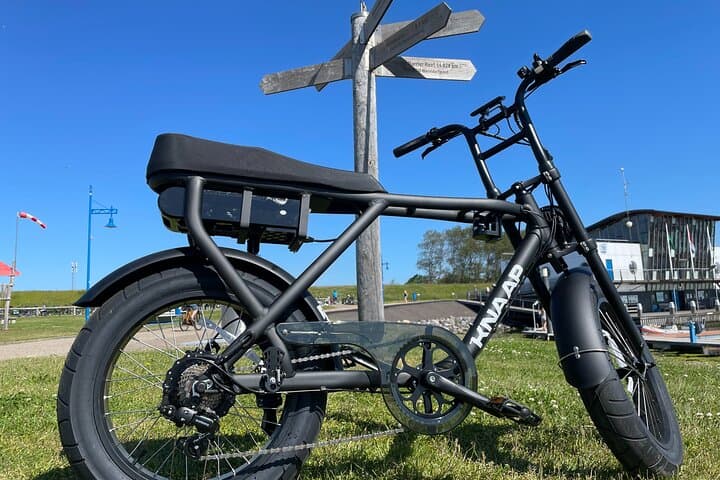
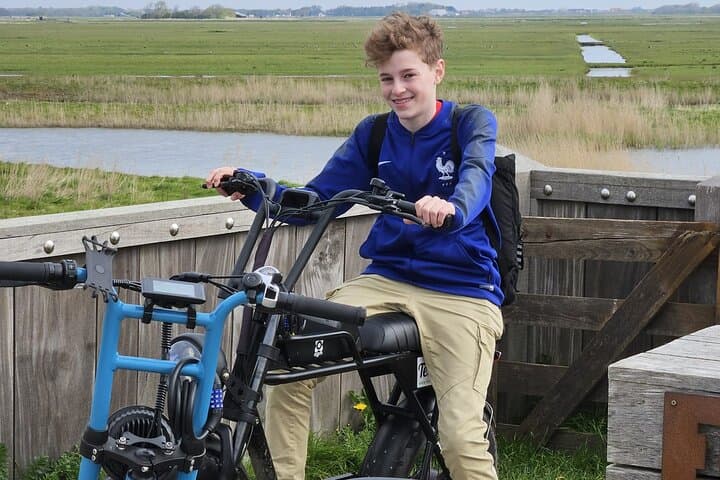
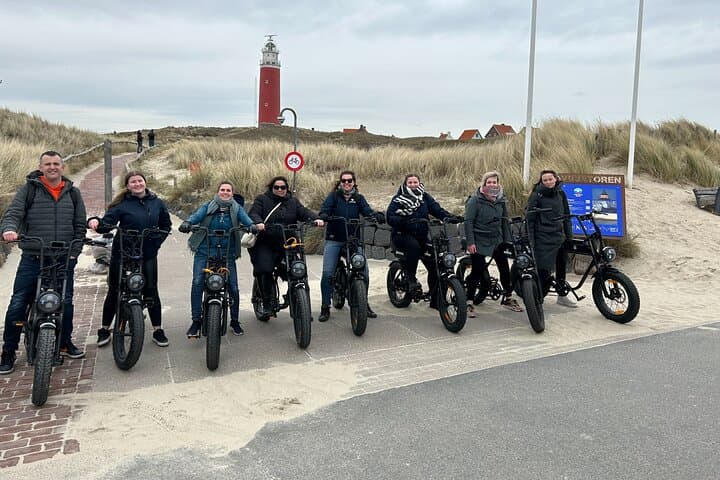
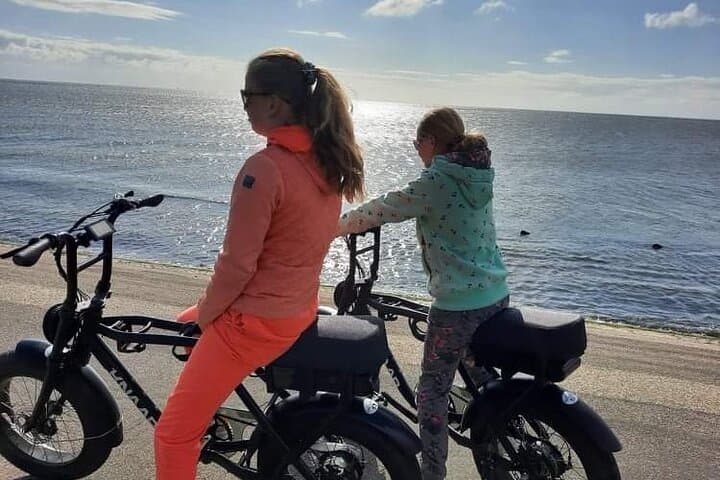
Float over sand tracks and farm roads on an E-fatbike across Texel. This three-hour rental gives you electric-assist freedom to cover more ground—think dunes, bird hides, and wide beaches—without the sweat.
Float over sand tracks and farm roads on an E-fatbike across Texel. This three-hour rental gives you electric-assist freedom to cover more ground—think dunes, bird hides, and wide beaches—without the sweat.
You push off from the ferry terminal, tires whispering over compacted sand, and the northwesterly wind asks you to lean in. The E-fatbike’s wide tires float over beach tracks and worn farm roads: progress feels effortless until a headwind tugs at your jacket and the island answers back.
Verified experiences and guided adventures in the surrounding area.
Operated by Solex Texel · Den Burg, North Holland
You push off from the ferry terminal, tires whispering over compacted sand, and the northwesterly wind asks you to lean in. The E-fatbike’s wide tires float over beach tracks and worn farm roads: progress feels effortless until a headwind tugs at your jacket and the island answers back.
Texel is the largest Wadden Sea island in the Netherlands, shaped by tides, sand and centuries of maritime life. The dunes and salt marshes around De Slufter are geological laboratories—breaches where North Sea water still claims the land—while villages like Den Burg grew around sheep farming and seafaring. Local culture is practical and seasonal: birdwatchers in spring, seal-spotters in autumn and families on the wide west beach in summer.
On a three-hour rental you can cover 20–35 km depending on pace and battery use, mixing paved cycle paths with coarse tracks where fat tires shine. Expect flat terrain with occasional loose sand and short climbs over dune crossovers. The electric assist helps maintain steady speeds up to 25 km/h so you can enjoy long views without burning out.
Practical guidance: bring a charged phone and a small pump or patch kit, plan routes around tide-linked wind exposure, and allow extra time for stops at bird hides or a dune-top café. If unfamiliar with e-bikes, practice throttle and regenerative braking in a quiet spot before heading onto mixed surfaces. Respect marked nature reserves and stay on designated paths—Texel’s habitats recover slowly.
This rental is ideal for riders who want island-scale exploration with minimal strain and maximum coastal scenery.
easy.
3 hours.
Suitable for most fitness levels; basic cycling stamina for several dozen kilometers helps.
No special license is required—bookings usually ask for height and names but you can rent with a standard ID.
Most rental shops offer helmets on request; bringing your own ensures a better fit.
You can ride on designated beach access points and firm sand near the high-tide line, but avoid protected areas and soft dunes.
Rentals often allow cancellation 24 hours prior; operators may suspend rides in severe winds or storms for safety.
Texel has long been a maritime waypoint with a history of sheep farming and naval visits; its dunes and ports shaped trade and shipbuilding through the centuries.
The island contains fragile dune, marsh and mudflat systems; stick to paths, respect breeding seasons and use designated parking and waste facilities.
Solex Texel operates guided outdoor trips and adventures with an emphasis on safety, stewardship, and memorable experiences.
You push off from the ferry terminal, tires whispering over compacted sand, and the northwesterly wind asks you to lean in. The E-fatbike’s wide tires float over beach tracks and worn farm roads: progress feels effortless until a headwind tugs at your jacket and the island answers back.
You push off from the ferry terminal, tires whispering over compacted sand, and the northwesterly wind asks you to lean in. The E-fatbike’s wide tires float over beach tracks and worn farm roads: progress feels effortless until a headwind tugs at your jacket and the island answers back.
Texel is the largest Wadden Sea island in the Netherlands, shaped by tides, sand and centuries of maritime life. The dunes and salt marshes around De Slufter are geological laboratories—breaches where North Sea water still claims the land—while villages like Den Burg grew around sheep farming and seafaring. Local culture is practical and seasonal: birdwatchers in spring, seal-spotters in autumn and families on the wide west beach in summer.
On a three-hour rental you can cover 20–35 km depending on pace and battery use, mixing paved cycle paths with coarse tracks where fat tires shine. Expect flat terrain with occasional loose sand and short climbs over dune crossovers. The electric assist helps maintain steady speeds up to 25 km/h so you can enjoy long views without burning out.
Practical guidance: bring a charged phone and a small pump or patch kit, plan routes around tide-linked wind exposure, and allow extra time for stops at bird hides or a dune-top café. If unfamiliar with e-bikes, practice throttle and regenerative braking in a quiet spot before heading onto mixed surfaces. Respect marked nature reserves and stay on designated paths—Texel’s habitats recover slowly.
This rental is ideal for riders who want island-scale exploration with minimal strain and maximum coastal scenery.