THE ADVENTURE COLLECTIVE® · Independent discovery and booking for outdoor travel

A brisk three-hour safari through Chobe National Park that focuses on riverfront viewing and elephant herds. Ideal for travelers short on time who want a concentrated wildlife experience close to Kasane.
A brisk three-hour safari through Chobe National Park that focuses on riverfront viewing and elephant herds. Ideal for travelers short on time who want a concentrated wildlife experience close to Kasane.
Dust rises on the track as the 4x4 slips away from Kasane and into the wide openness of Chobe National Park. The river is a moving mirror, while distant mopane woodland waits, still and expectant. Guides tune engines and eyes; the park’s giants often announce themselves long before you see them — trunks probing, tusks flashing at the water’s edge.
Verified experiences and guided adventures in the surrounding area.
Operated by Southern Dynasty Safaris · Kasane, Chobe District
Dust rises on the track as the 4x4 slips away from Kasane and into the wide openness of Chobe National Park. The river is a moving mirror, while distant mopane woodland waits, still and expectant. Guides tune engines and eyes; the park’s giants often announce themselves long before you see them — trunks probing, tusks flashing at the water’s edge.
Chobe, declared Botswana’s first national park in 1968, spans roughly 11,700 km² and contains four distinct ecosystems: riverine forest, floodplains, dry savanna and woodland. Geologically the river carved broad alluvial plains, creating channels and lagoons that seasonally flood and concentrate game. The culture around Kasane reflects river life—local markets and lodges depend on the river’s rhythm and the tourists drawn to it.
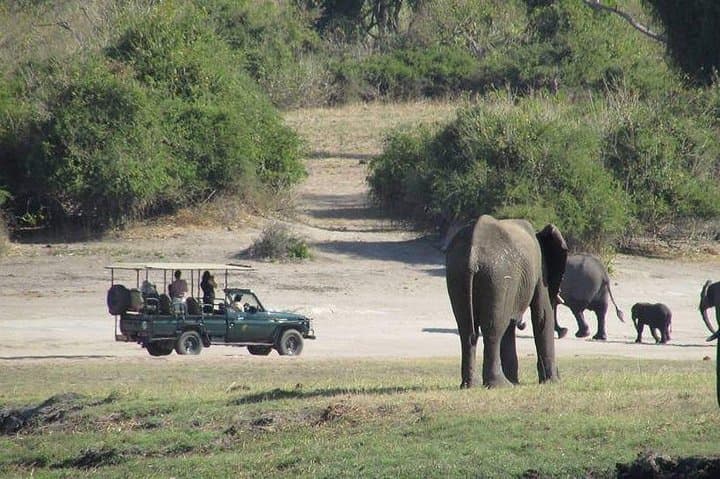
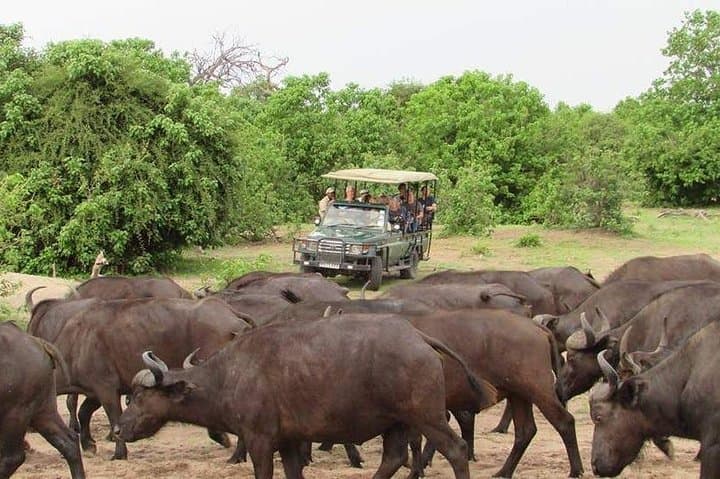
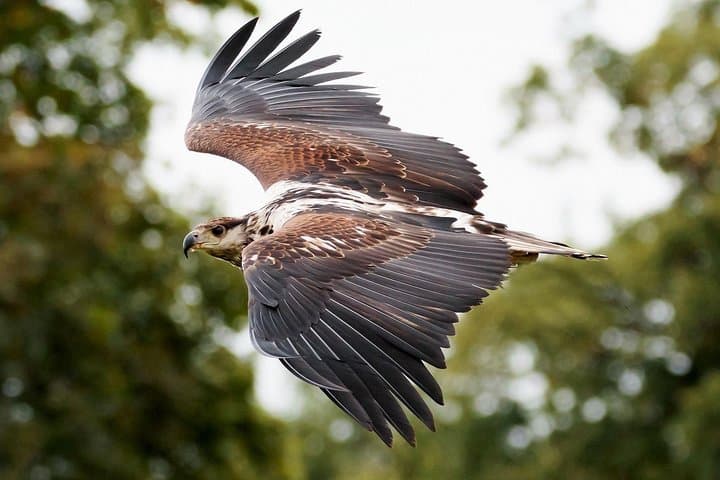
Expect a compact, purposeful outing: three hours driving primarily on graded dirt roads and game tracks, typically covering 30–50 km with negligible elevation gain (mostly flat floodplain). Wildlife encounters are the highlight — elephant herds, hippos in the river, hunting cats at dawn or dusk, and hundreds of bird species. Guides will pause at safe vantage points for refreshments and interpretation.
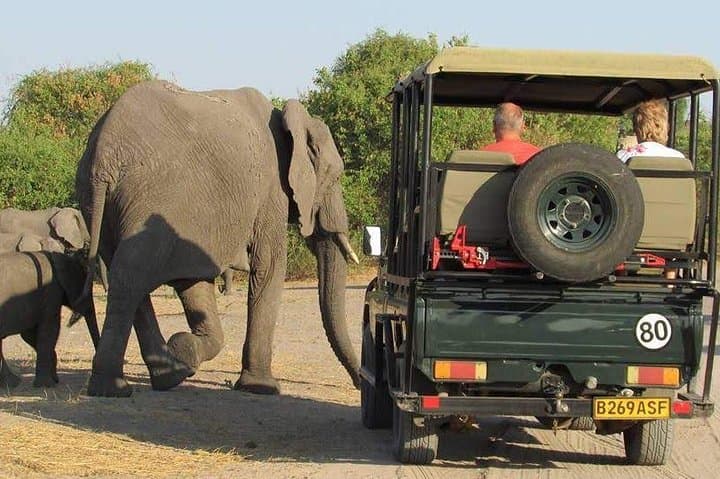
Practical edge: travel light but bring sun protection, a camera with zoom, and binoculars. The best sightings cluster in the dry season (May–Oct) when animals concentrate on remaining water. Keep voices low, follow your guide’s instructions, and expect close, memorable elephant encounters that demand respect and distance.
easy.
3 hours.
Suitable for all fitness levels; minimal walking required, mostly seated in vehicle
The activity is three hours and typically covers 30–50 km on park roads, with stops for viewing and refreshments.
Elephant sightings are very likely, especially near the river; large cats are possible but not guaranteed on every drive.
Yes — the drive is suitable for most ages and fitness levels, with minimal walking required; check pickup accessibility for specific mobility needs.
Yes, guides usually provide tea, cookies and bottled water during a mid-drive stop; confirm dietary needs when booking.
Chobe National Park was established in 1968 as Botswana’s first park and protects a range of riverine and savanna habitats that have supported local communities for generations.
High elephant densities place pressure on vegetation and water resources; responsible tourism and park fees contribute to anti-poaching and habitat management efforts.
Southern Dynasty Safaris operates guided outdoor trips and adventures with an emphasis on safety, stewardship, and memorable experiences.
Dust rises on the track as the 4x4 slips away from Kasane and into the wide openness of Chobe National Park. The river is a moving mirror, while distant mopane woodland waits, still and expectant. Guides tune engines and eyes; the park’s giants often announce themselves long before you see them — trunks probing, tusks flashing at the water’s edge.
Dust rises on the track as the 4x4 slips away from Kasane and into the wide openness of Chobe National Park. The river is a moving mirror, while distant mopane woodland waits, still and expectant. Guides tune engines and eyes; the park’s giants often announce themselves long before you see them — trunks probing, tusks flashing at the water’s edge.
Chobe, declared Botswana’s first national park in 1968, spans roughly 11,700 km² and contains four distinct ecosystems: riverine forest, floodplains, dry savanna and woodland. Geologically the river carved broad alluvial plains, creating channels and lagoons that seasonally flood and concentrate game. The culture around Kasane reflects river life—local markets and lodges depend on the river’s rhythm and the tourists drawn to it.
Expect a compact, purposeful outing: three hours driving primarily on graded dirt roads and game tracks, typically covering 30–50 km with negligible elevation gain (mostly flat floodplain). Wildlife encounters are the highlight — elephant herds, hippos in the river, hunting cats at dawn or dusk, and hundreds of bird species. Guides will pause at safe vantage points for refreshments and interpretation.
Practical edge: travel light but bring sun protection, a camera with zoom, and binoculars. The best sightings cluster in the dry season (May–Oct) when animals concentrate on remaining water. Keep voices low, follow your guide’s instructions, and expect close, memorable elephant encounters that demand respect and distance.