THE ADVENTURE COLLECTIVE® · Independent discovery and booking for outdoor travel

Cruise Lake Titicaca to visit the ancient reed-made Uros islands on a comfortable three-hour boat trip from Puno. Expect close cultural encounters, photo-ready panoramas, and practical tips for high-altitude comfort.
Cruise Lake Titicaca to visit the ancient reed-made Uros islands on a comfortable three-hour boat trip from Puno. Expect close cultural encounters, photo-ready panoramas, and practical tips for high-altitude comfort.
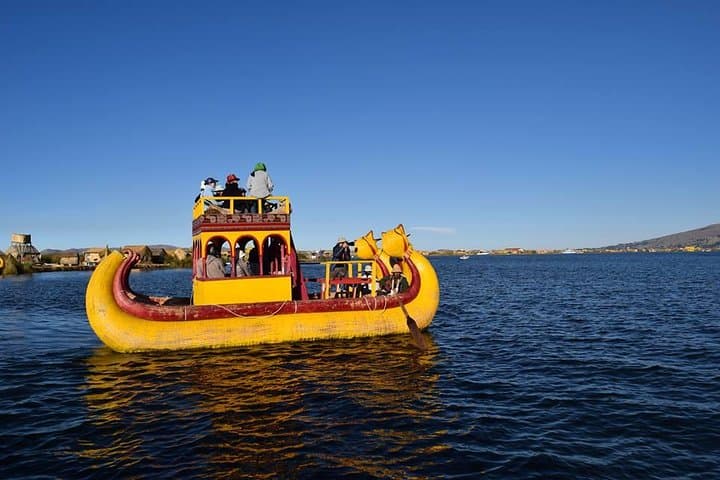
A low, metallic wake parts the glassy surface of Lake Titicaca as the covered motorboat eases away from Puno’s pier. The air is thin at roughly 3,800 meters and the wind has an insistence that pulls at jackets and camera straps. From the upper deck you can see slim reed huts and clusters of low mounds floating like islands that refuse to behave like land.
Verified experiences and guided adventures in the surrounding area.
Operated by Inca Lake · Puno, Puno
A low, metallic wake parts the glassy surface of Lake Titicaca as the covered motorboat eases away from Puno’s pier. The air is thin at roughly 3,800 meters and the wind has an insistence that pulls at jackets and camera straps. From the upper deck you can see slim reed huts and clusters of low mounds floating like islands that refuse to behave like land.
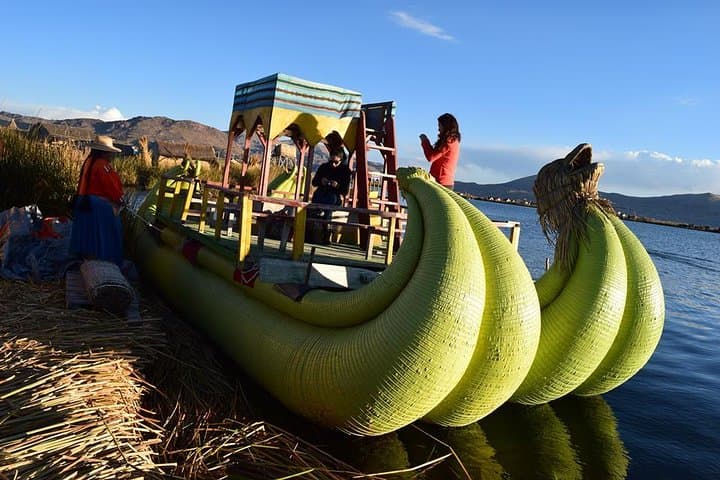
The Uros are an engineered archipelago: layers of bundled totora reed laid on a floating base of compressed reeds and roots. That technique predates colonial maps and served both practical and cultural needs — mobility, fishing access, and a distinct social identity. Geologically the lake sits in an Andean basin shaped by tectonics and glaciation; its high elevation amplifies sun and wind, while the long horizon frames Bolivian and Peruvian shores.
On a standard 3-hour trip from Puno expect a calm cruise with an English/Spanish guide, two island stops, and an opportunity to climb observation platforms or try a short reed-boat ride (local fee ~20 soles). The island visit is conversational and hands-on: see how families repair their islands, view handcrafts, and sample local stories. Practical notes: dress in layers, bring water and sunscreen, and allow time to acclimatize to altitude before strenuous activity. Morning departures are generally warmer and steadier; late-afternoon trips offer dramatic light but gustier conditions. The boat provides covered seating and restroom facilities, and most travelers of average mobility find the experience accessible. This short excursion blends cultural exchange with an accessible slice of high-altitude lake landscape — concise, photographic, and rooted in living tradition.
easy.
3 hours.
Suitable for people in basic fitness; involves short, gentle boarding and walking on uneven reed surfaces.
The full experience is about 3 hours round-trip, including two island stops and time for brief walks and interaction with locals.
They require regular maintenance — the Uros communities continually add fresh totora to the surface, so islands are actively sustained rather than geologically permanent.
Yes; the trip is rated easy, with gentle boarding and short, low-impact walks. Inform the operator of mobility needs for assistance during pickup or transfer.
The boat has restroom facilities and covered seating; food is not included but some islands offer snacks or local cuisine for purchase at additional cost.
The Uros culture predates modern national borders and used totora-based islands for mobility, fishing reach, and community autonomy long before Puno developed into a regional center.
Tour operators encourage minimal-impact visits; avoid trampling reed edges, buy local crafts rather than harvested reeds, and support community-led initiatives to maintain island health.
Inca Lake operates guided outdoor trips and adventures with an emphasis on safety, stewardship, and memorable experiences.


A low, metallic wake parts the glassy surface of Lake Titicaca as the covered motorboat eases away from Puno’s pier. The air is thin at roughly 3,800 meters and the wind has an insistence that pulls at jackets and camera straps. From the upper deck you can see slim reed huts and clusters of low mounds floating like islands that refuse to behave like land.
A low, metallic wake parts the glassy surface of Lake Titicaca as the covered motorboat eases away from Puno’s pier. The air is thin at roughly 3,800 meters and the wind has an insistence that pulls at jackets and camera straps. From the upper deck you can see slim reed huts and clusters of low mounds floating like islands that refuse to behave like land.
The Uros are an engineered archipelago: layers of bundled totora reed laid on a floating base of compressed reeds and roots. That technique predates colonial maps and served both practical and cultural needs — mobility, fishing access, and a distinct social identity. Geologically the lake sits in an Andean basin shaped by tectonics and glaciation; its high elevation amplifies sun and wind, while the long horizon frames Bolivian and Peruvian shores.
On a standard 3-hour trip from Puno expect a calm cruise with an English/Spanish guide, two island stops, and an opportunity to climb observation platforms or try a short reed-boat ride (local fee ~20 soles). The island visit is conversational and hands-on: see how families repair their islands, view handcrafts, and sample local stories. Practical notes: dress in layers, bring water and sunscreen, and allow time to acclimatize to altitude before strenuous activity. Morning departures are generally warmer and steadier; late-afternoon trips offer dramatic light but gustier conditions. The boat provides covered seating and restroom facilities, and most travelers of average mobility find the experience accessible. This short excursion blends cultural exchange with an accessible slice of high-altitude lake landscape — concise, photographic, and rooted in living tradition.