THE ADVENTURE COLLECTIVE® · Independent discovery and booking for outdoor travel

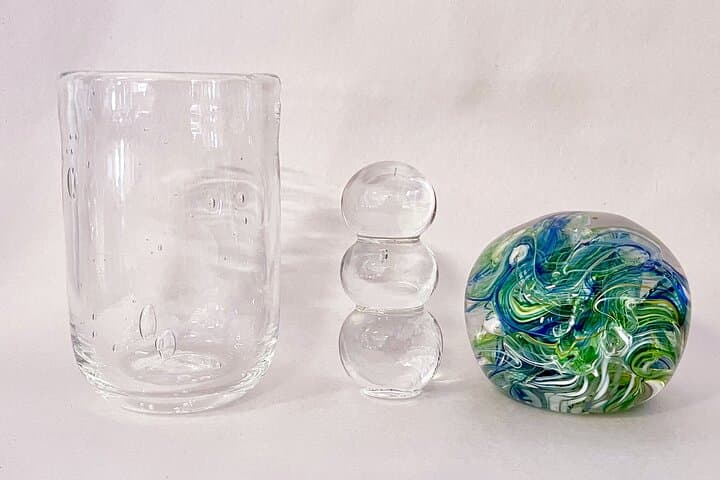
Get hands-on with molten glass in a focused three-hour studio session near downtown Oakland. Learn core glassblowing techniques while making a paperweight, a small snowman form, and a hand-blown cup.
Get hands-on with molten glass in a focused three-hour studio session near downtown Oakland. Learn core glassblowing techniques while making a paperweight, a small snowman form, and a hand-blown cup.
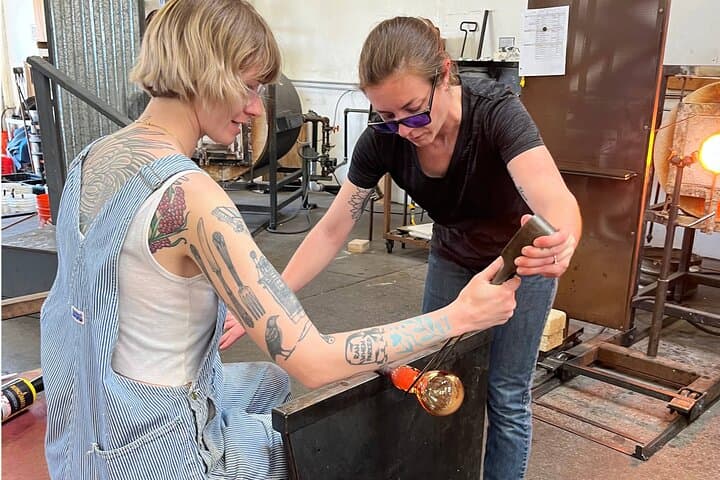
You step through the studio door and feel the heat before you hear the hiss: a kiln breathing, molten glass glowing like a small, controlled sun. For the next three hours the room becomes a workshop of movement — tools clinking, instructors calling short, precise directions, and a pipe that suddenly feels like an extension of your arms.
Verified experiences and guided adventures in the surrounding area.
Operated by Slow Burn Glass · Oakland, California
You step through the studio door and feel the heat before you hear the hiss: a kiln breathing, molten glass glowing like a small, controlled sun. For the next three hours the room becomes a workshop of movement — tools clinking, instructors calling short, precise directions, and a pipe that suddenly feels like an extension of your arms.
Glass blowing in the East Bay sits at the crossroads of industrial craft and California’s maker culture. The Bay’s maritime history and nearby clay-rich hills shaped a region used to transforming raw materials — now applied to glass rather than brick. Techniques taught here borrow from centuries-old Venetian methods, adapted with modern safety practices and local creative flair.
In practice you’ll make three simple pieces: a paperweight, a small snowman form, and a hand-formed drinking glass. The studio uses an annealer to cool pieces overnight; pick-up or flat-fee shipping is offered. Expect to stand, step up on a small platform, rotate a pipe, and follow timed cues — tasks that reward attention more than brute strength.
Plan clothing first: closed-toe shoes and cotton or natural fibers are non-negotiable. Arrive hydrated, with hair tied back and no loose jewelry. If you’re photographing the process, ask when flash-free shots are allowed. Children 12+ are welcome with an adult; intoxication forfeits participation. Parking is usually available on-site or on the street, and instructors will guide first-timers through safety, shaping, and finishing.
The result is tangible: a small object you made yourself and a clearer sense of how heat, gravity, and quick hands shape molten glass into everyday objects.
easy.
3 hours.
Moderate: able to stand, step up/down, and follow short bursts of physical activity; not endurance-focused.
No prior glass experience is required; the class is designed for beginners with step-by-step instruction.
No — pieces must cool in an annealer overnight; you can pick them up the next day or pay $25 for shipping.
Participants must be 12 or older; ages 12–17 need to be accompanied by an adult.
Closed-toe shoes and cotton/natural-fiber clothing are mandatory; follow instructor directions at all times and avoid alcohol before class.
Bay Area craft workshops grew alongside industrial trades and a postwar interest in studio arts, blending traditional glass techniques with a local maker ethos.
Many studios reclaim broken glass for reheating and emphasize minimizing waste; be mindful of energy use in kiln-fired processes and follow studio recycling practices.
Slow Burn Glass operates guided outdoor trips and adventures with an emphasis on safety, stewardship, and memorable experiences.
You step through the studio door and feel the heat before you hear the hiss: a kiln breathing, molten glass glowing like a small, controlled sun. For the next three hours the room becomes a workshop of movement — tools clinking, instructors calling short, precise directions, and a pipe that suddenly feels like an extension of your arms.
You step through the studio door and feel the heat before you hear the hiss: a kiln breathing, molten glass glowing like a small, controlled sun. For the next three hours the room becomes a workshop of movement — tools clinking, instructors calling short, precise directions, and a pipe that suddenly feels like an extension of your arms.
Glass blowing in the East Bay sits at the crossroads of industrial craft and California’s maker culture. The Bay’s maritime history and nearby clay-rich hills shaped a region used to transforming raw materials — now applied to glass rather than brick. Techniques taught here borrow from centuries-old Venetian methods, adapted with modern safety practices and local creative flair.
In practice you’ll make three simple pieces: a paperweight, a small snowman form, and a hand-formed drinking glass. The studio uses an annealer to cool pieces overnight; pick-up or flat-fee shipping is offered. Expect to stand, step up on a small platform, rotate a pipe, and follow timed cues — tasks that reward attention more than brute strength.
Plan clothing first: closed-toe shoes and cotton or natural fibers are non-negotiable. Arrive hydrated, with hair tied back and no loose jewelry. If you’re photographing the process, ask when flash-free shots are allowed. Children 12+ are welcome with an adult; intoxication forfeits participation. Parking is usually available on-site or on the street, and instructors will guide first-timers through safety, shaping, and finishing.
The result is tangible: a small object you made yourself and a clearer sense of how heat, gravity, and quick hands shape molten glass into everyday objects.