THE ADVENTURE COLLECTIVE® · Independent discovery and booking for outdoor travel

Spend three days moving from Entebbe into the ancient slopes of Bwindi for a private gorilla-tracking experience. Expect steep, often muddy trails, a ranger-led briefing and a one-hour viewing with habituated mountain gorillas.
Spend three days moving from Entebbe into the ancient slopes of Bwindi for a private gorilla-tracking experience. Expect steep, often muddy trails, a ranger-led briefing and a one-hour viewing with habituated mountain gorillas.
The road unfurls from Entebbe at dawn and the air changes—plantation edges give way to steep, green slopes that press close as you approach Bwindi. On arrival the forest feels alive in density: trunks crowd the trail, vines tug at sleeves, and birdcalls thread through a humid understorey. Mountain gorillas move quietly here; when you finally step into a clearing and a silverback lifts its head, the forest seems to hold its breath.
Verified experiences and guided adventures in the surrounding area.
Operated by KIBOKO AFRICA SAFARIS · Kisoro, Southwestern Region
The road unfurls from Entebbe at dawn and the air changes—plantation edges give way to steep, green slopes that press close as you approach Bwindi. On arrival the forest feels alive in density: trunks crowd the trail, vines tug at sleeves, and birdcalls thread through a humid understorey. Mountain gorillas move quietly here; when you finally step into a clearing and a silverback lifts its head, the forest seems to hold its breath.
Bwindi Impenetrable National Park is geologically ancient—uplifted ridges and deep valleys carved by millennia of rain create the rugged terrain that shelters these primates. The park sits on the western edge of the Rift system and was named a UNESCO World Heritage Site in 1994 for its biological significance. Local Batwa and Bakiga communities have long ties to the forest; community tourism and lodges like Bweza offer windows into that cultural landscape while contributing to conservation.
Practically, a private three-day package pairs long transfers with one intensive tracking day. Expect a morning briefing, a ranger-led trek that can last several hours, and a regulated one-hour observation period with gorillas. Trails are steep, often muddy, and traversing them may require scrambling over roots and rocks.
Bring sturdy, waterproof boots, layered clothing for shifting temperatures, and a small daypack with water and rain protection. Start the day early to avoid afternoon showers, move deliberately on slopes, and follow ranger guidance to minimize disturbance. With respect and preparation, this short safari delivers a rare, ground-level encounter with one of the planet’s most charismatic and vulnerable species.
challenging.
3 days (tracking day 3–6 hours typical).
Suitable for travelers with moderate to good fitness—expect steep climbs, uneven terrain and several hours on foot.
Permits are typically arranged by the operator—confirm at booking. Permits are required to enter the tracking zones and viewing access is regulated by park authorities.
Age rules vary by country and provider; many trackers require children to be at least 15, and pregnant travelers are generally advised not to participate—check with the operator before booking.
Tracking time varies depending on gorilla location; the guided hike can last from a couple of hours to most of a day, with a fixed one-hour viewing once your group locates a gorilla family.
You should have moderate to good fitness: expect uphill hikes, uneven ground, and potentially muddy conditions—brief scrambling may be necessary.
Bwindi was designated a UNESCO World Heritage Site in 1994 for its exceptional biodiversity and endemic species, including mountain gorillas that survive only in this region and neighboring forests.
Gorilla tourism generates funds for anti-poaching, community projects and habitat protection; adhere to park rules to minimize disease transmission and disturbance to wildlife.
KIBOKO AFRICA SAFARIS operates guided outdoor trips and adventures with an emphasis on safety, stewardship, and memorable experiences.
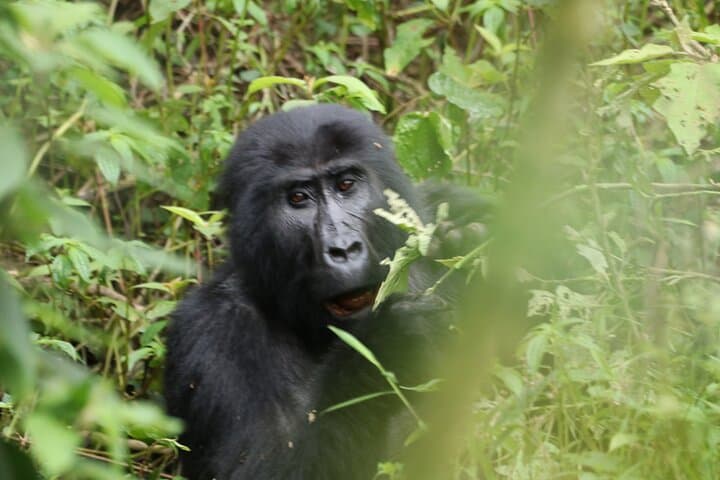
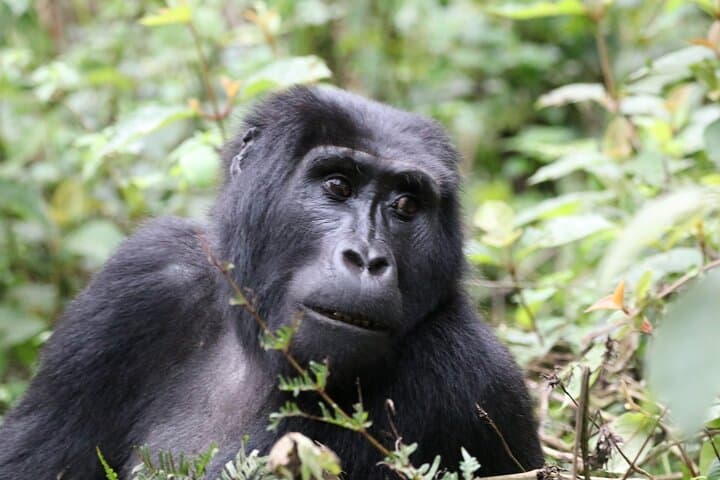
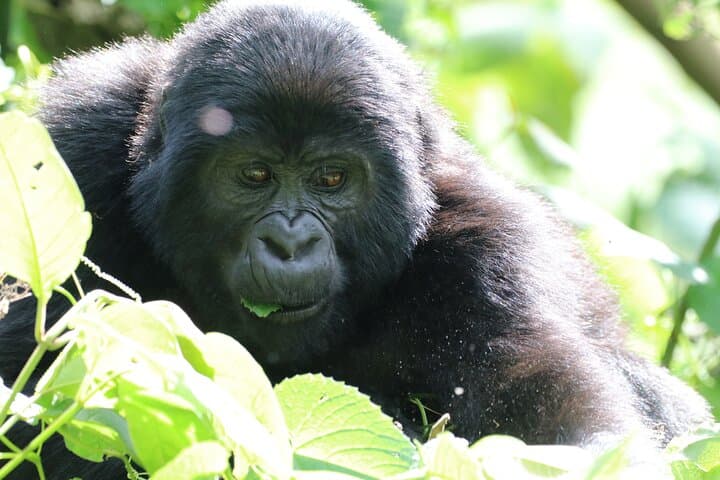
The road unfurls from Entebbe at dawn and the air changes—plantation edges give way to steep, green slopes that press close as you approach Bwindi. On arrival the forest feels alive in density: trunks crowd the trail, vines tug at sleeves, and birdcalls thread through a humid understorey. Mountain gorillas move quietly here; when you finally step into a clearing and a silverback lifts its head, the forest seems to hold its breath.
The road unfurls from Entebbe at dawn and the air changes—plantation edges give way to steep, green slopes that press close as you approach Bwindi. On arrival the forest feels alive in density: trunks crowd the trail, vines tug at sleeves, and birdcalls thread through a humid understorey. Mountain gorillas move quietly here; when you finally step into a clearing and a silverback lifts its head, the forest seems to hold its breath.
Bwindi Impenetrable National Park is geologically ancient—uplifted ridges and deep valleys carved by millennia of rain create the rugged terrain that shelters these primates. The park sits on the western edge of the Rift system and was named a UNESCO World Heritage Site in 1994 for its biological significance. Local Batwa and Bakiga communities have long ties to the forest; community tourism and lodges like Bweza offer windows into that cultural landscape while contributing to conservation.
Practically, a private three-day package pairs long transfers with one intensive tracking day. Expect a morning briefing, a ranger-led trek that can last several hours, and a regulated one-hour observation period with gorillas. Trails are steep, often muddy, and traversing them may require scrambling over roots and rocks.
Bring sturdy, waterproof boots, layered clothing for shifting temperatures, and a small daypack with water and rain protection. Start the day early to avoid afternoon showers, move deliberately on slopes, and follow ranger guidance to minimize disturbance. With respect and preparation, this short safari delivers a rare, ground-level encounter with one of the planet’s most charismatic and vulnerable species.