THE ADVENTURE COLLECTIVE® · Independent discovery and booking for outdoor travel

Spend three days walking into the heart of Ethiopia’s 12th‑century marvel: eleven rock‑hewn churches carved from volcanic tuff. This compact cultural loop combines dramatic architecture, ridge‑top chapels and practical travel tips for navigating narrow stone passages.
Spend three days walking into the heart of Ethiopia’s 12th‑century marvel: eleven rock‑hewn churches carved from volcanic tuff. This compact cultural loop combines dramatic architecture, ridge‑top chapels and practical travel tips for navigating narrow stone passages.
The sun lifts over high, ochre cliffs and the first prayer bells slip through cool air as you step from the shade into Lalibela’s stone world.
Verified experiences and guided adventures in the surrounding area.
Operated by Hidden Ethiopia Tours · Lalibela, Amhara Region
The sun lifts over high, ochre cliffs and the first prayer bells slip through cool air as you step from the shade into Lalibela’s stone world.
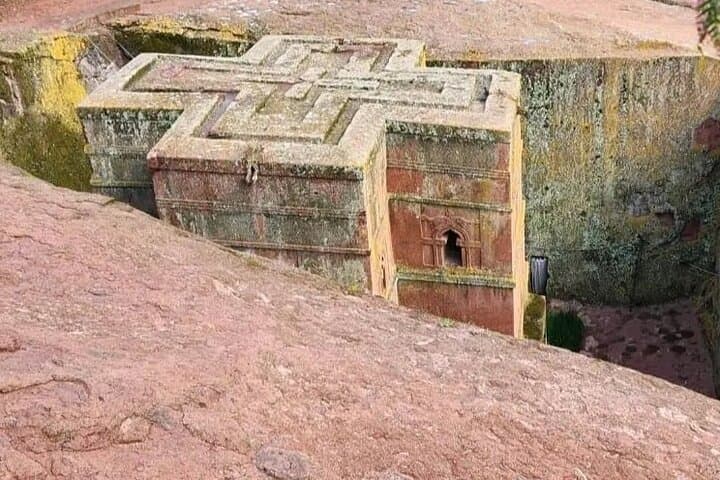
Carved from a single volcanic ridge in the 12th century, these churches sit below ground level like rooms turned inside out: stepped courtyards, narrow sunlit trenches and compact interiors that hold centuries of incense and frescoes. On day one you walk among the largest monolithic churches—Bete Medhane Alem and Bete Mariam—where carved columns and low doorways make the stone feel alive, as if it remembers the chisels that shaped it.
Day two moves higher to Yimrehane Kristos, perched on a ridge, and a cluster of smaller chapels whose Axumite influences show in timberwork and carved stone. The region’s geology—volcanic tuff that carves cleanly—enabled this unique approach to sacred architecture; the result is a compact campus of pilgrimage that still draws worshippers today.
Practicalities steer the visit: narrow steps, uneven flags and low light mean good footwear and a headlamp or steady hand for photography. Expect cool mornings and bright, sun-washed afternoons; carry water and a light layer for chapel breezes. Local guides interpret iconography and coordinate respectful timings around services; entrance fees for sites are typically included in organized packages.
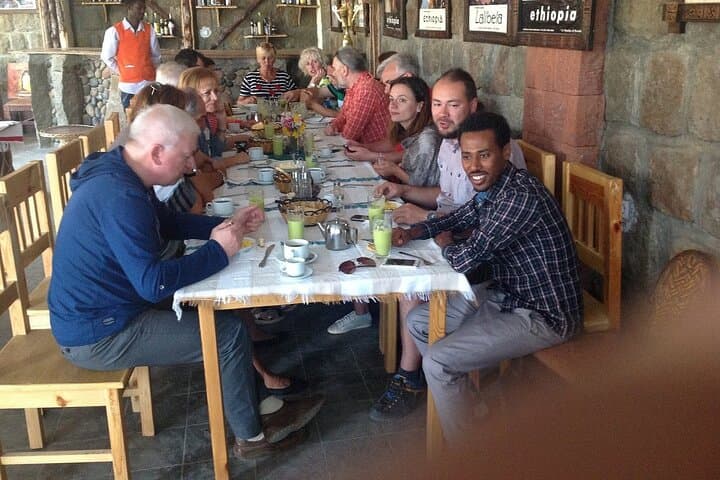
By the final morning you’ll feel the weight of history in your soles and the warmth of a coffee ceremony in your hands—an efficient, immersive three-day loop that blends hard stone, living worship and highland hospitality.
moderate.
3 days.
Moderate fitness — able to walk several hours over uneven stone and climb staircases multiple times.
Organized multi‑day packages commonly include official entrance fees; confirm on booking if tickets and monastery visits are covered.
Photography rules vary—some interiors prohibit flash or any photos during services; follow your guide and signage to respect worshippers.
Lalibela sits around 2,500–2,700 m; mild altitude effects are possible—drink water, move deliberately and avoid heavy exertion on arrival day.
Most sites have narrow, stepped access and uneven surfaces; travelers with significant mobility limitations will find access limited and should consult the operator in advance.
Lalibela’s churches were carved in the 12th century under King Lalibela as a purposeful pilgrimage complex and remain an active Orthodox Christian center.
Designated a UNESCO World Heritage Site, the churches rely on guided visitation and community stewardship—stay on paths, avoid touching frescoes and support local guides and preservation efforts.
Hidden Ethiopia Tours operates guided outdoor trips and adventures with an emphasis on safety, stewardship, and memorable experiences.

The sun lifts over high, ochre cliffs and the first prayer bells slip through cool air as you step from the shade into Lalibela’s stone world.
The sun lifts over high, ochre cliffs and the first prayer bells slip through cool air as you step from the shade into Lalibela’s stone world.
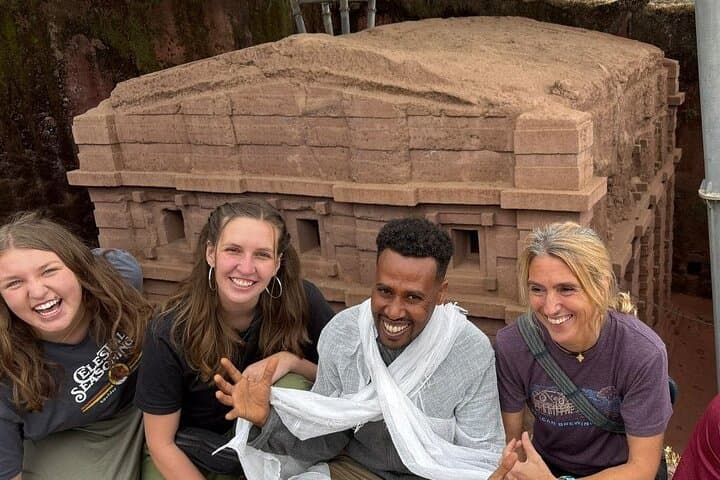
Carved from a single volcanic ridge in the 12th century, these churches sit below ground level like rooms turned inside out: stepped courtyards, narrow sunlit trenches and compact interiors that hold centuries of incense and frescoes. On day one you walk among the largest monolithic churches—Bete Medhane Alem and Bete Mariam—where carved columns and low doorways make the stone feel alive, as if it remembers the chisels that shaped it.
Day two moves higher to Yimrehane Kristos, perched on a ridge, and a cluster of smaller chapels whose Axumite influences show in timberwork and carved stone. The region’s geology—volcanic tuff that carves cleanly—enabled this unique approach to sacred architecture; the result is a compact campus of pilgrimage that still draws worshippers today.
Practicalities steer the visit: narrow steps, uneven flags and low light mean good footwear and a headlamp or steady hand for photography. Expect cool mornings and bright, sun-washed afternoons; carry water and a light layer for chapel breezes. Local guides interpret iconography and coordinate respectful timings around services; entrance fees for sites are typically included in organized packages.
By the final morning you’ll feel the weight of history in your soles and the warmth of a coffee ceremony in your hands—an efficient, immersive three-day loop that blends hard stone, living worship and highland hospitality.