THE ADVENTURE COLLECTIVE® · Independent discovery and booking for outdoor travel

Three days in Zhangjiajie moves from forested valley walks to exposed glass-and-steel viewpoints. Visit the Avatar-like pillars of Yuanjiajie, cross the Grand Canyon Glass Bridge, and ride Asia’s longest cableway to Tianmen Mountain.
Three days in Zhangjiajie moves from forested valley walks to exposed glass-and-steel viewpoints. Visit the Avatar-like pillars of Yuanjiajie, cross the Grand Canyon Glass Bridge, and ride Asia’s longest cableway to Tianmen Mountain.
Morning light slices between sandstone pillars as the shuttle eases into Wulingyuan; mist clings to vertical cliffs and the first cable car hums like a distant insect. Over three days visitors move between two distinct moods of Zhangjiajie: the narrow, green-carpeted valleys where Golden Whip Stream threads slow water and the vertiginous summits of Tianzi and Yuanjiajie where stone spires stand like columns of an ancient city.
Verified experiences and guided adventures in the surrounding area.
Operated by China Toruk Tour · Zhangjiajie, Hunan
Morning light slices between sandstone pillars as the shuttle eases into Wulingyuan; mist clings to vertical cliffs and the first cable car hums like a distant insect. Over three days visitors move between two distinct moods of Zhangjiajie: the narrow, green-carpeted valleys where Golden Whip Stream threads slow water and the vertiginous summits of Tianzi and Yuanjiajie where stone spires stand like columns of an ancient city.
Geologically the area is quartz-sandstone uplift carved by millennia of erosion into the pillar forest that inspired the floating mountains in the film Avatar. Culturally the region sits in Tujia and Miao country, with local crafts and tea traditions visible in small market stalls around Wulingyuan. The modern draw — Zhangjiajie Glass Bridge spanning the Grand Canyon and the 7.2 km Tianmen cableway — adds engineered drama to the natural show.
Practical guidance is straightforward: expect moderate walking (valley floors are mostly level; summit boardwalks involve steps and exposed sections). Tianmen rises to about 1,500 m, with the cableway climbing roughly 1,200 m, so layer for rapid temperature shifts. The Glass Bridge is ~430 m long and hangs ~300 m above the canyon; it’s thrilling but monitored with visitor caps.
Plan for early starts to avoid midday crowds, bring sturdy shoes for rocky paths, and allow flex time—cable car queues or weather delays are common. Hydrate, carry ID for park admissions, and be ready to trade silence for sudden, spectacular viewpoints.
moderate.
3 days.
Moderate fitness—able to walk several kilometres over varied terrain and handle stairs; not suitable for those with serious heart or spinal conditions.
This tour includes admission for listed attractions such as Zhangjiajie National Forest Park, the Glass Bridge, and Tianmen Mountain as stated in the itinerary.
Children can walk the bridge but must be supervised; operators may set age or height limits and control visitor flow for safety.
Moderate—most major moves use cable cars, buses, or elevators, but expect several hours of walking each day on trails and stairways.
Weekdays outside Chinese public holidays and early mornings in spring or autumn offer the clearest light and smaller crowds.
Wulingyuan, including Zhangjiajie National Forest Park, was designated a UNESCO World Heritage Site in 1992; the area’s pillar formations are the result of prolonged quartz-sandstone erosion.
Park authorities enforce trails and visitor limits to protect fragile sandstone pillars—stay on marked paths, carry out waste, and avoid feeding wildlife to minimize human impact.
China Toruk Tour operates guided outdoor trips and adventures with an emphasis on safety, stewardship, and memorable experiences.
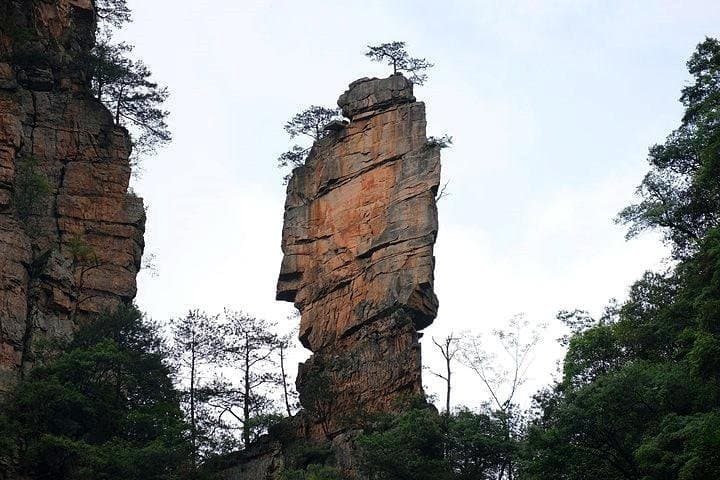
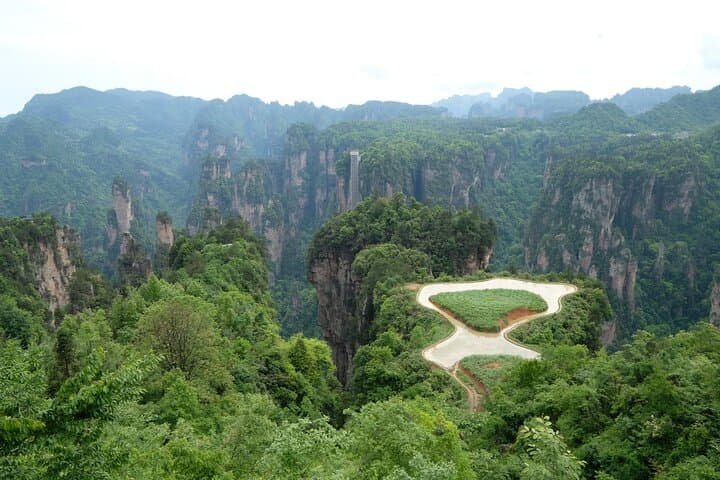
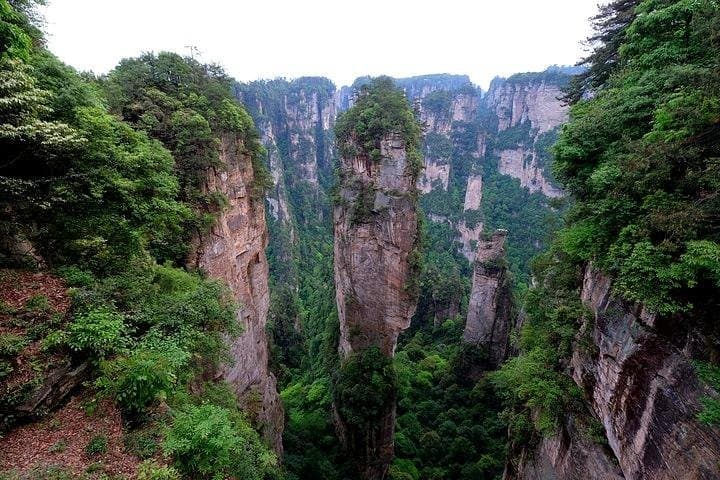
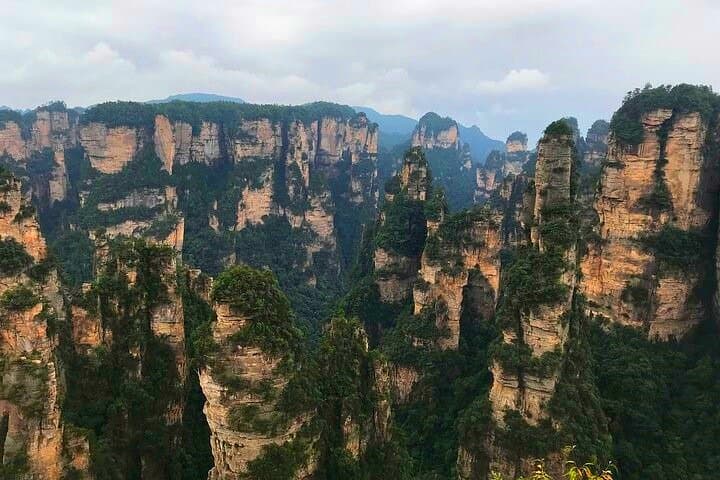
Morning light slices between sandstone pillars as the shuttle eases into Wulingyuan; mist clings to vertical cliffs and the first cable car hums like a distant insect. Over three days visitors move between two distinct moods of Zhangjiajie: the narrow, green-carpeted valleys where Golden Whip Stream threads slow water and the vertiginous summits of Tianzi and Yuanjiajie where stone spires stand like columns of an ancient city.
Morning light slices between sandstone pillars as the shuttle eases into Wulingyuan; mist clings to vertical cliffs and the first cable car hums like a distant insect. Over three days visitors move between two distinct moods of Zhangjiajie: the narrow, green-carpeted valleys where Golden Whip Stream threads slow water and the vertiginous summits of Tianzi and Yuanjiajie where stone spires stand like columns of an ancient city.
Geologically the area is quartz-sandstone uplift carved by millennia of erosion into the pillar forest that inspired the floating mountains in the film Avatar. Culturally the region sits in Tujia and Miao country, with local crafts and tea traditions visible in small market stalls around Wulingyuan. The modern draw — Zhangjiajie Glass Bridge spanning the Grand Canyon and the 7.2 km Tianmen cableway — adds engineered drama to the natural show.
Practical guidance is straightforward: expect moderate walking (valley floors are mostly level; summit boardwalks involve steps and exposed sections). Tianmen rises to about 1,500 m, with the cableway climbing roughly 1,200 m, so layer for rapid temperature shifts. The Glass Bridge is ~430 m long and hangs ~300 m above the canyon; it’s thrilling but monitored with visitor caps.
Plan for early starts to avoid midday crowds, bring sturdy shoes for rocky paths, and allow flex time—cable car queues or weather delays are common. Hydrate, carry ID for park admissions, and be ready to trade silence for sudden, spectacular viewpoints.