THE ADVENTURE COLLECTIVE® · Independent discovery and booking for outdoor travel

Pack history, wildlife and reef time into three days around Zanzibar: Stone Town’s UNESCO streets, Prison Island’s tortoises, Jozani’s red colobus, and a dhow sandbank picnic. This compact itinerary gives a practical, sensory primer for first‑time island travelers.
Pack history, wildlife and reef time into three days around Zanzibar: Stone Town’s UNESCO streets, Prison Island’s tortoises, Jozani’s red colobus, and a dhow sandbank picnic. This compact itinerary gives a practical, sensory primer for first‑time island travelers.
Morning in Stone Town begins with the aroma of cardamom and the slow creak of dhows against the quay. Streets narrow into shaded alleys where carved wooden doors keep centuries of trade and rumor; the tour meets at the Old Fort to set a steady rhythm—history first, then island life.
Verified experiences and guided adventures in the surrounding area.
Operated by Zanzibar Local Experience · Zanzibar City, Zanzibar
Morning in Stone Town begins with the aroma of cardamom and the slow creak of dhows against the quay. Streets narrow into shaded alleys where carved wooden doors keep centuries of trade and rumor; the tour meets at the Old Fort to set a steady rhythm—history first, then island life.
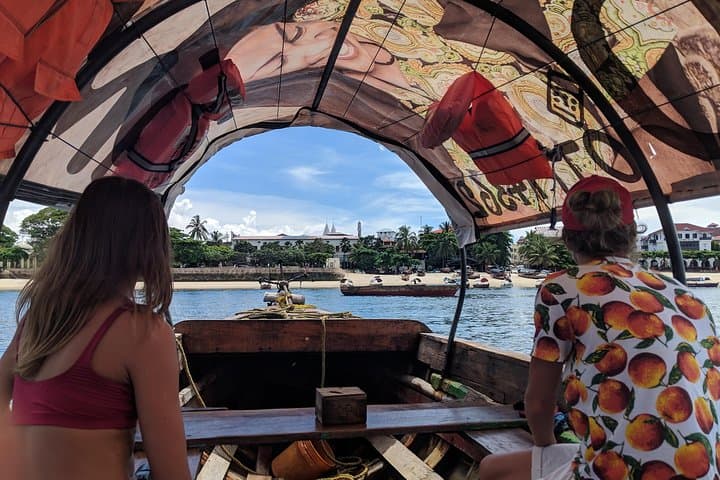
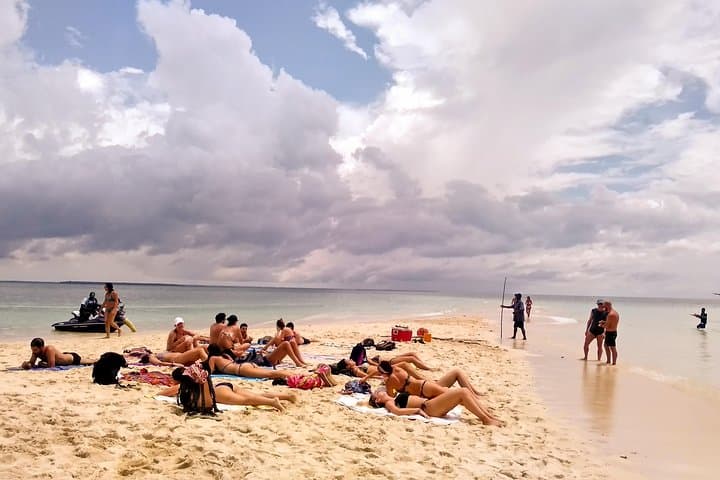
Over three days visitors move from UNESCO‑listed Stone Town’s 19th‑century Swahili architecture to the compact quarantine ruins of Prison Island and onward into the island’s living systems: spice farms, red‑colobus habitat in Jozani, and the wide blue of a sandbank picnic. Geology here is shallow—coral rag, reefs and mangrove sediments shape beaches and lagoons; the reef systems that cradle snorkeling sites grew over millennia from the Indian Ocean’s warm currents.
Culture is tactile: market calls, the spice‑farm lessons in clove and vanilla, seaweed beds tended by local women, and a village visit that still includes traditional healers. Wildlife moments are immediate—giant tortoises on Prison Island and the endemic Zanzibar red colobus peering through Jozani’s canopy.
Practical guidance: tours run start to finish from Stone Town, typically at 9:00; transport is air‑conditioned and family‑friendly, with snorkeling gear supplied. Carry reef‑safe sunscreen, cash for small purchases, a light rain layer in the long‑rain season, and footwear for mud and sand. Respect wildlife by keeping distance and following guides’ instructions. With three days planned efficiently, travelers get a high‑value mix of history, nature and marine time without rush—expect active but low‑technical days and many short walks, boat transfers, and guided cultural stops.
moderate.
3 days.
Suitable for travelers in average fitness: short hikes, standing during village tours, and light swimming/snorkeling.
The itinerary is moderate: mostly short walks, boat transfers, and standing during visits; no technical hiking required.
Lunches for each day are included and snorkeling equipment is provided for marine stops, though personal gear is allowed.
The operator notes wheelchair‑accessible options for transportation and many surfaces, but boat landings and some trails may have limited access—check ahead for specific needs.
Travelers should check Tanzania entry requirements and routine vaccinations; yellow fever vaccination may be required depending on origin—confirm with health authorities.
Stone Town served as a regional trade hub where Arab, Persian, Indian and European influences shaped Swahili culture; traces remain in architecture and markets.
Mangrove boardwalks and marine park rules protect habitats—avoid collecting shells or touching coral, and support local guides who follow park guidelines.
Zanzibar Local Experience operates guided outdoor trips and adventures with an emphasis on safety, stewardship, and memorable experiences.

Morning in Stone Town begins with the aroma of cardamom and the slow creak of dhows against the quay. Streets narrow into shaded alleys where carved wooden doors keep centuries of trade and rumor; the tour meets at the Old Fort to set a steady rhythm—history first, then island life.
Morning in Stone Town begins with the aroma of cardamom and the slow creak of dhows against the quay. Streets narrow into shaded alleys where carved wooden doors keep centuries of trade and rumor; the tour meets at the Old Fort to set a steady rhythm—history first, then island life.
Over three days visitors move from UNESCO‑listed Stone Town’s 19th‑century Swahili architecture to the compact quarantine ruins of Prison Island and onward into the island’s living systems: spice farms, red‑colobus habitat in Jozani, and the wide blue of a sandbank picnic. Geology here is shallow—coral rag, reefs and mangrove sediments shape beaches and lagoons; the reef systems that cradle snorkeling sites grew over millennia from the Indian Ocean’s warm currents.
Culture is tactile: market calls, the spice‑farm lessons in clove and vanilla, seaweed beds tended by local women, and a village visit that still includes traditional healers. Wildlife moments are immediate—giant tortoises on Prison Island and the endemic Zanzibar red colobus peering through Jozani’s canopy.
Practical guidance: tours run start to finish from Stone Town, typically at 9:00; transport is air‑conditioned and family‑friendly, with snorkeling gear supplied. Carry reef‑safe sunscreen, cash for small purchases, a light rain layer in the long‑rain season, and footwear for mud and sand. Respect wildlife by keeping distance and following guides’ instructions. With three days planned efficiently, travelers get a high‑value mix of history, nature and marine time without rush—expect active but low‑technical days and many short walks, boat transfers, and guided cultural stops.