THE ADVENTURE COLLECTIVE® · Independent discovery and booking for outdoor travel

Three days across the Yucatán—Mérida, Uxmal, Chichén Itzá, Izamal and a Mayan community—blend archaeology, markets and a swim in a cenote. This practical guide tells you what to expect, what to pack and how to make the most of each stop.
Three days across the Yucatán—Mérida, Uxmal, Chichén Itzá, Izamal and a Mayan community—blend archaeology, markets and a swim in a cenote. This practical guide tells you what to expect, what to pack and how to make the most of each stop.
The morning air in Mérida tastes of citrus and diesel; a white van idles while limestone silhouettes—pyramids and domes—wait beyond the road. Over three days you move through a landscape that pushes its history up out of the ground: Puuc hills give rise to the rounded facades of Uxmal, the plain opens to the broad plaza of Chichén Itzá, and caves drop away to reveal cenotes that dare you to look down.
Verified experiences and guided adventures in the surrounding area.
Operated by Unittravel · Mérida, Yucatán
The morning air in Mérida tastes of citrus and diesel; a white van idles while limestone silhouettes—pyramids and domes—wait beyond the road. Over three days you move through a landscape that pushes its history up out of the ground: Puuc hills give rise to the rounded facades of Uxmal, the plain opens to the broad plaza of Chichén Itzá, and caves drop away to reveal cenotes that dare you to look down.
This circuit threads archaeology and living culture. Uxmal and Kabah showcase Puuc stonework—intricate mosaics and low, rounded pyramids from the Classic Maya world—while Ek Balam’s accessible acropolis and Chichén Itzá’s later monumental architecture show shifting political centers. Izamal’s painted convent and the morning market exemplify colonial layering and modern Maya commerce. Geologically, the peninsula is a karst platform: underground rivers carve sinkholes (cenotes) that sustained pre-Hispanic settlement and still brim with clear, bluish water.
Practical guidance: plan for early departures to avoid midday heat and crowds; allow two hours at major sites for walking and photography. Wear supportive walking shoes and breathable layers—stone surfaces are uneven and shaded areas are limited. Bring reef-safe sunscreen and a hat; apply sunscreen prior to entering cenotes and rinse thoroughly after to protect aquatic life. Cash helps for small-market purchases and community tastings; respectful inquiry and modest dress are appreciated in Mayan villages.
The trip balances cultural immersion and archaeology with easy logistics: private transport, local guides, and stops that let you taste market foods, swim in a cenote, and stand on terraces where stonework still holds centuries of memory.
moderate.
3 days (approx.).
Light to moderate fitness; expect several hours of walking on uneven surfaces each day and brief swims at cenotes.
Admission is typically not included—bring cash for site tickets and check each site's current hours and fees before travel.
Yes—infants can ride in strollers and special infant seats are available, but children under 10 may enter parks free in some places; verify specifics with the operator.
Yes—many cenotes on this route allow swimming, but follow local rules: no sunscreen in the water, and use life jackets where provided.
Pricing is per van, commonly capped at six passengers; confirm vehicle size and whether your booking is private or shared when reserving.
The Yucatán’s archaeological sites reflect Classic and Postclassic Maya civilizations; Puuc architecture (Uxmal, Kabah) emphasizes decorative stone mosaics and refined façades.
Visitors are encouraged to use reef-safe sunscreen, avoid single-use plastics, and support local businesses to ensure economic and environmental sustainability.
Unittravel operates guided outdoor trips and adventures with an emphasis on safety, stewardship, and memorable experiences.
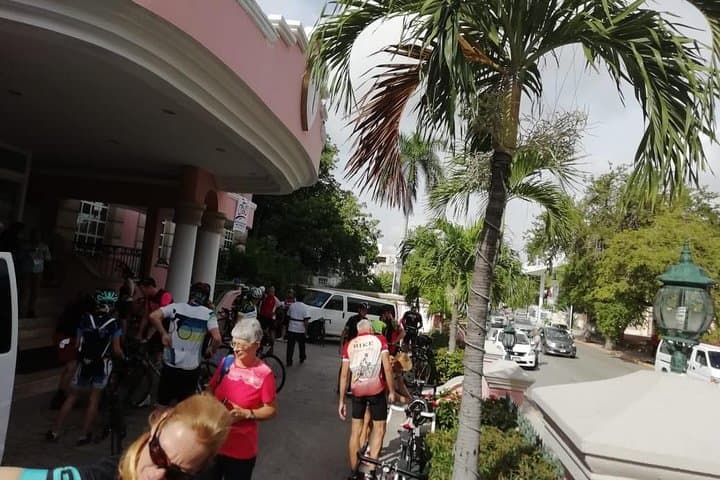
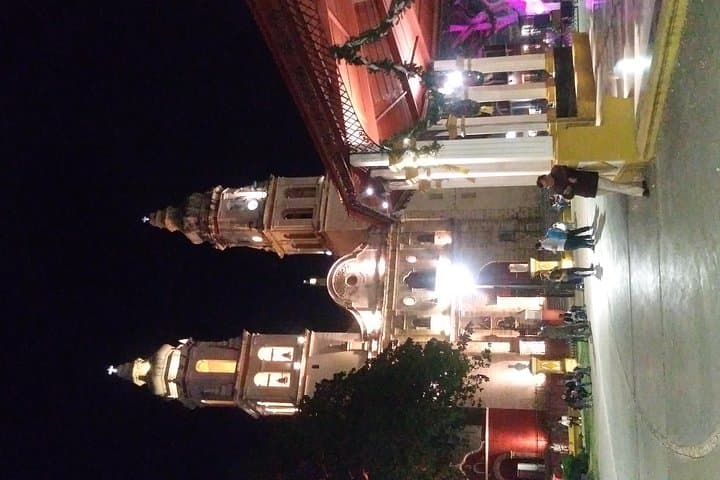
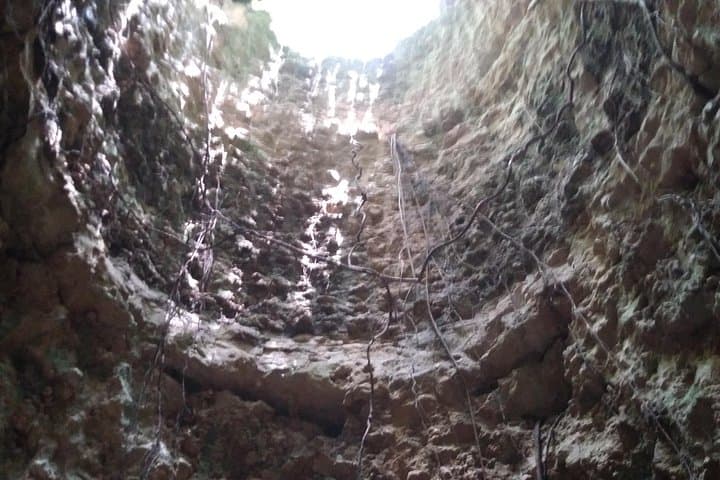
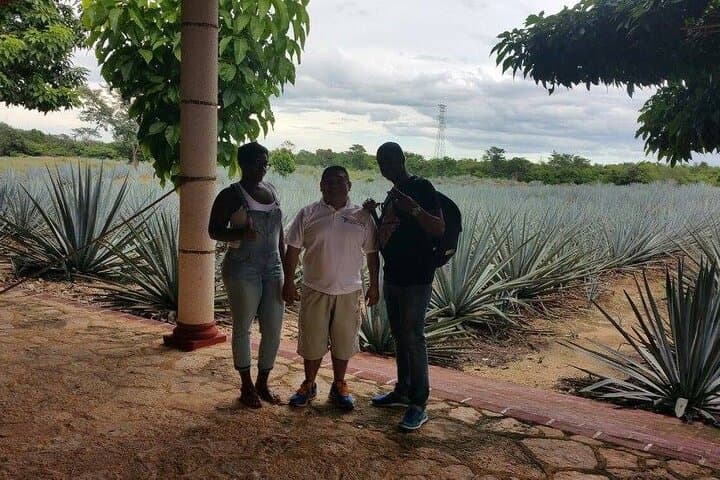
The morning air in Mérida tastes of citrus and diesel; a white van idles while limestone silhouettes—pyramids and domes—wait beyond the road. Over three days you move through a landscape that pushes its history up out of the ground: Puuc hills give rise to the rounded facades of Uxmal, the plain opens to the broad plaza of Chichén Itzá, and caves drop away to reveal cenotes that dare you to look down.
The morning air in Mérida tastes of citrus and diesel; a white van idles while limestone silhouettes—pyramids and domes—wait beyond the road. Over three days you move through a landscape that pushes its history up out of the ground: Puuc hills give rise to the rounded facades of Uxmal, the plain opens to the broad plaza of Chichén Itzá, and caves drop away to reveal cenotes that dare you to look down.
This circuit threads archaeology and living culture. Uxmal and Kabah showcase Puuc stonework—intricate mosaics and low, rounded pyramids from the Classic Maya world—while Ek Balam’s accessible acropolis and Chichén Itzá’s later monumental architecture show shifting political centers. Izamal’s painted convent and the morning market exemplify colonial layering and modern Maya commerce. Geologically, the peninsula is a karst platform: underground rivers carve sinkholes (cenotes) that sustained pre-Hispanic settlement and still brim with clear, bluish water.
Practical guidance: plan for early departures to avoid midday heat and crowds; allow two hours at major sites for walking and photography. Wear supportive walking shoes and breathable layers—stone surfaces are uneven and shaded areas are limited. Bring reef-safe sunscreen and a hat; apply sunscreen prior to entering cenotes and rinse thoroughly after to protect aquatic life. Cash helps for small-market purchases and community tastings; respectful inquiry and modest dress are appreciated in Mayan villages.
The trip balances cultural immersion and archaeology with easy logistics: private transport, local guides, and stops that let you taste market foods, swim in a cenote, and stand on terraces where stonework still holds centuries of memory.