THE ADVENTURE COLLECTIVE® · Independent discovery and booking for outdoor travel

Move between village homestays and a secluded national sanctuary on this private three-day tour of Xe Champhone. Expect hands-on cultural experiences, early-morning wildlife hikes for Eld’s deer and quiet nights by campfires.
Move between village homestays and a secluded national sanctuary on this private three-day tour of Xe Champhone. Expect hands-on cultural experiences, early-morning wildlife hikes for Eld’s deer and quiet nights by campfires.
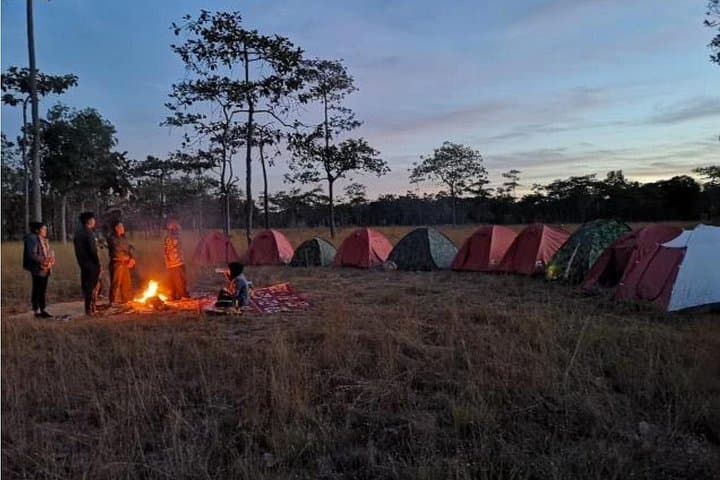
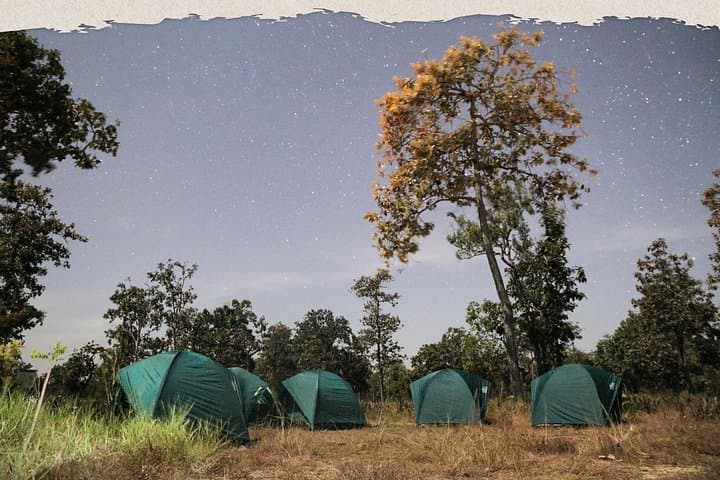
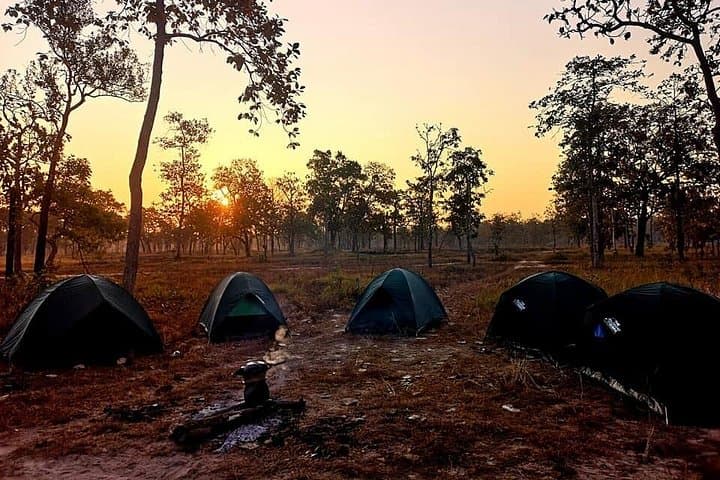
Dawn light slides across a glassy rice reservoir as the village wakes: chickens call, a boil of steam rises from kettles and a small boat pushes through lotus stems. Over three days visitors move between living village culture and the quiet of the National Eld’s Deer Sanctuary—sleeping one night in a traditional homestay and another under canvas at a simple base camp.
Verified experiences and guided adventures in the surrounding area.
Operated by Marvelaos Travel and Tour · Kaysone Phomvihane, Savannakhet Province
Dawn light slides across a glassy rice reservoir as the village wakes: chickens call, a boil of steam rises from kettles and a small boat pushes through lotus stems. Over three days visitors move between living village culture and the quiet of the National Eld’s Deer Sanctuary—sleeping one night in a traditional homestay and another under canvas at a simple base camp.
The Champhone wetlands are shaped by seasonal floods and irrigated rice basins that have supported human settlement for centuries; nearby temples like Wat Taleo reflect colonial-era encounters and local devotion. Geologically the plain is flat alluvium carved by the Xe Kong and seasonal streams, creating reedbeds, shallow lakes and salt licks that attract deer and waterbirds.
Cultural exchanges are practical and hands-on: guests can learn to make marigold offerings, try local desserts, watch indigo dyeing or sample lao lao (rice whisky) production. In the sanctuary, villagers and rangers protect endangered Eld’s deer and soft-shelled turtles; the work is community-led and quiet—sightings often happen near salt licks and observation towers at dusk and dawn.
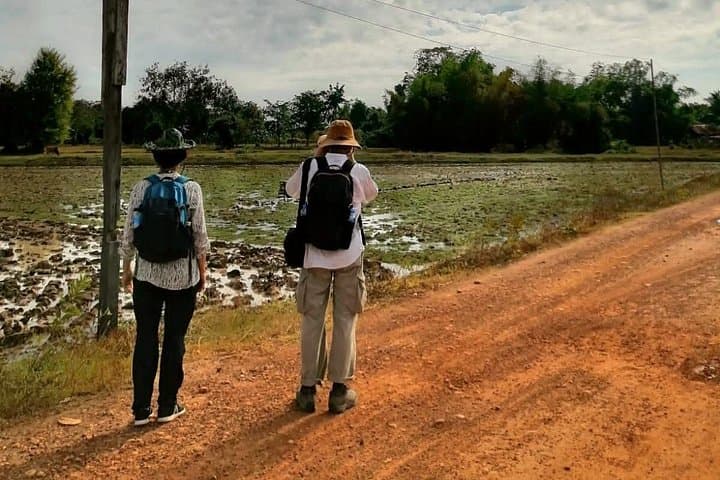
Practical guidance: plan early starts for the best wildlife viewing and quiet; pack water, sun protection and insect repellent; expect basic camping and homestay comforts rather than lodges. The route uses private transport between points, short walks through temple grounds and early-morning forest hikes that are largely low grade but can be humid and muddy in the rainy season. Respect local customs at temples and homestays (modest dress, ask before photographing). With simple preparation this trip pairs cultural immersion with meaningful wildlife encounters.
moderate.
3 days (2 nights).
Suitable for travelers in average physical condition; involves short hikes, standing at hides and basic camping with minimal elevation change.
One night is in a family-run village homestay with basic comforts and home-cooked meals; one night is simple camping at the sanctuary base camp with communal facilities.
Families can join but parents should evaluate children’s tolerance for early mornings, basic camping conditions and long transfer times; adult pricing applies to all travelers.
Cool dry season (November–February) offers comfortable temperatures and clearer conditions, while dawn and dusk provide the best chance to see Eld’s deer and birds.
Private transportation, meals as listed, homestay and camp accommodations, entrance fees and local guides are included; confirm any extra services at booking.
Champhone district blends Lao village traditions with colonial-era influences visible in sites like Wat Taleo’s surviving meeting hall, reflecting wartime damage and continued local reverence.
Community stewardship is central—villagers protect turtles and deer through local taboo and feeding practices, while sanctuary staff focus on anti-poaching and habitat protection to minimize tourist impact.
Marvelaos Travel and Tour operates guided outdoor trips and adventures with an emphasis on safety, stewardship, and memorable experiences.
Dawn light slides across a glassy rice reservoir as the village wakes: chickens call, a boil of steam rises from kettles and a small boat pushes through lotus stems. Over three days visitors move between living village culture and the quiet of the National Eld’s Deer Sanctuary—sleeping one night in a traditional homestay and another under canvas at a simple base camp.
Dawn light slides across a glassy rice reservoir as the village wakes: chickens call, a boil of steam rises from kettles and a small boat pushes through lotus stems. Over three days visitors move between living village culture and the quiet of the National Eld’s Deer Sanctuary—sleeping one night in a traditional homestay and another under canvas at a simple base camp.
The Champhone wetlands are shaped by seasonal floods and irrigated rice basins that have supported human settlement for centuries; nearby temples like Wat Taleo reflect colonial-era encounters and local devotion. Geologically the plain is flat alluvium carved by the Xe Kong and seasonal streams, creating reedbeds, shallow lakes and salt licks that attract deer and waterbirds.
Cultural exchanges are practical and hands-on: guests can learn to make marigold offerings, try local desserts, watch indigo dyeing or sample lao lao (rice whisky) production. In the sanctuary, villagers and rangers protect endangered Eld’s deer and soft-shelled turtles; the work is community-led and quiet—sightings often happen near salt licks and observation towers at dusk and dawn.
Practical guidance: plan early starts for the best wildlife viewing and quiet; pack water, sun protection and insect repellent; expect basic camping and homestay comforts rather than lodges. The route uses private transport between points, short walks through temple grounds and early-morning forest hikes that are largely low grade but can be humid and muddy in the rainy season. Respect local customs at temples and homestays (modest dress, ask before photographing). With simple preparation this trip pairs cultural immersion with meaningful wildlife encounters.