THE ADVENTURE COLLECTIVE® · Independent discovery and booking for outdoor travel

A tight, three-day winter circuit that pairs the Golden Circle’s geological wonders with South Coast waterfalls, a guided glacier hike and an exclusive Jökulsárlón ice cave visit—perfect for travelers seeking dramatic scenery and Northern Lights chances in a short window.
A tight, three-day winter circuit that pairs the Golden Circle’s geological wonders with South Coast waterfalls, a guided glacier hike and an exclusive Jökulsárlón ice cave visit—perfect for travelers seeking dramatic scenery and Northern Lights chances in a short window.
A wind-whipped road slides toward the horizon and the sky opens like an atlas of cold light. On Day One the bus drops you at Þingvellir as frost ghosts across the rift between tectonic plates; by Day Two you’re tracing the thunder of Skógafoss and watching basalt columns cut into the gloom of Reynisfjara. On the third morning you step into a blue cathedral—an ice cave at Jökulsárlón—where sunlight filters through ancient glacial ice and everything hums with compressed time.
Verified experiences and guided adventures in the surrounding area.
Operated by David The Guide · Reykjavik, Capital Region
A wind-whipped road slides toward the horizon and the sky opens like an atlas of cold light. On Day One the bus drops you at Þingvellir as frost ghosts across the rift between tectonic plates; by Day Two you’re tracing the thunder of Skógafoss and watching basalt columns cut into the gloom of Reynisfjara. On the third morning you step into a blue cathedral—an ice cave at Jökulsárlón—where sunlight filters through ancient glacial ice and everything hums with compressed time.
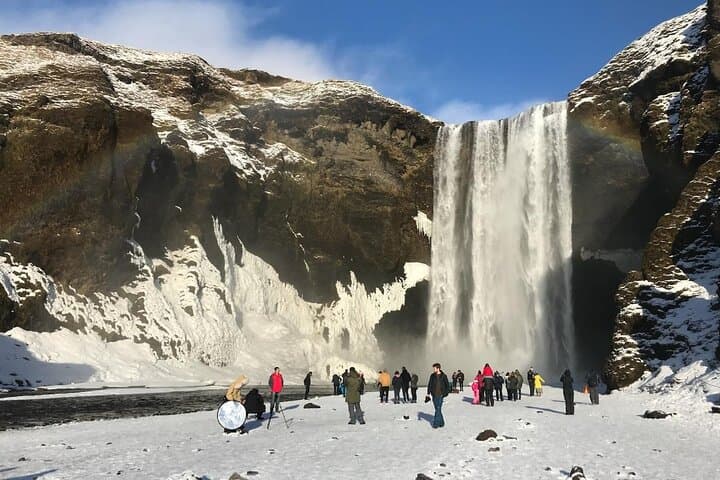
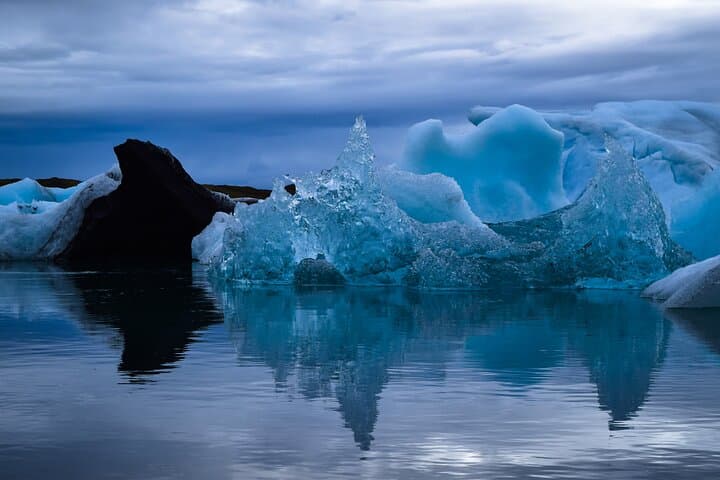
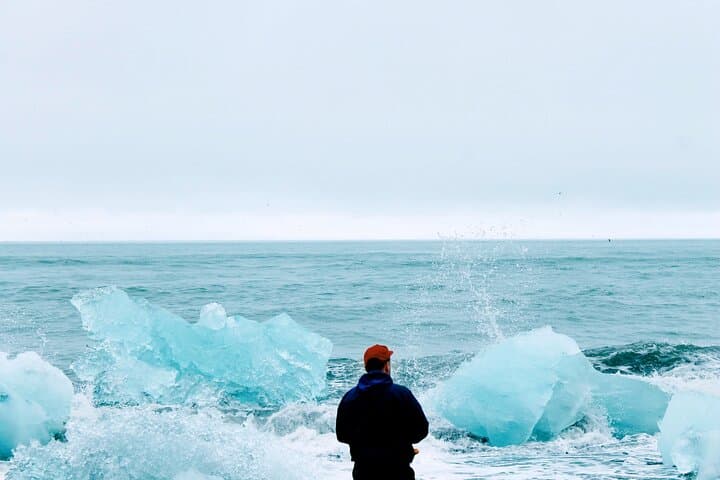
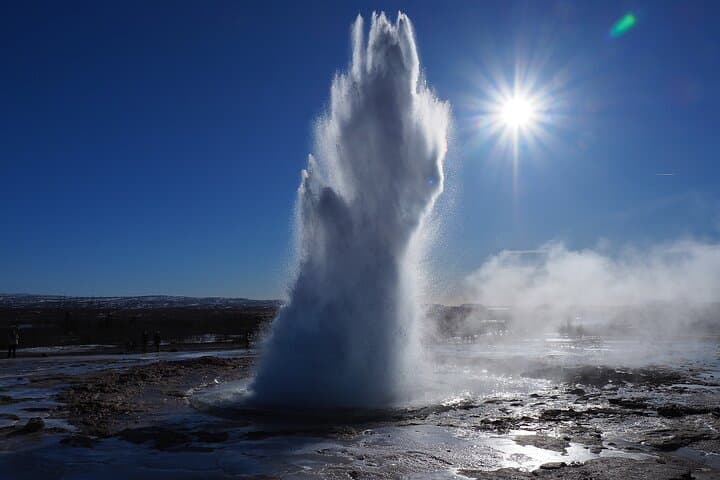
This three-day itinerary stitches together Iceland’s must-see geology and raw coastal drama: the Golden Circle’s tectonic theater at Þingvellir, the geothermal blasts of Geysir and the two-tiered roar of Gullfoss; the South Coast’s cascade of waterfalls—Seljalandsfoss, Skógafoss, and the tucked-away Gljúfrabúi—and the black-sand drama of Reynisfjara. The finale, southeast of Vík, is Vatnajökull’s margin: a landscape carved by repeated eruptions and slow-moving ice, where Jökulsárlón’s icebergs calve and Diamond Beach scatters glassy fragments across volcanic sand.
Geologically this route is a live classroom. Þingvellir sits on the Mid-Atlantic Ridge where Eurasian and North American plates pull apart; the Eldhraun lava fields are the scars of Laki’s 1783 eruption, while Vatnajökull is Europe’s largest ice cap—its tongues and lagoons constantly reshaping the coast. Culturally, the Golden Circle connects modern visitors to Iceland’s medieval Althing—the world’s oldest parliament—and local guide stories illuminate the farmsteads and folklore that dot the route.
Practical edge: winter conditions dominate. Expect short daylight windows, frequent weather shifts, and temperatures often between -5°C and 5°C (23–41°F) with wind chill. The tour supplies glacier gear and an experienced guide for the ice cave and glacier hike, but bring waterproof, insulated layers and sturdy boots rated for crampons. Plan for long stretches of roadside walking, slippery stairways at falls, and ocean spray at Reynisfjara that will soak unprepared clothing.
Timing is everything for photography and aurora watching—late evenings with clear skies increase your Northern Lights chances—but the itinerary’s built-in flexibility helps. Bring snacks for long drives, keep hydrating (warm drinks are gold), and trust the guides on safety: ice caves are dynamic, and decisions to enter depend on current conditions. With small groups and familiar routes, you’ll move from tectonic plates to frozen caverns in three compact, unforgettable days—an efficient way to experience Iceland’s winter bones and raw light.
moderate.
3 days.
Basic aerobic fitness and comfort with multi-hour walks and uneven icy terrain; not technical but expect slippery surfaces and short climbs.
No—guided glacier hikes and ice cave entry use provided gear and trained guides; basic mobility is required but no technical skills are expected.
Expect -5°C to 5°C (23–41°F) with wind chill—pack insulated base layers, fleece, a waterproof shell, hat, gloves, and warm socks.
Ice cave access depends on safety assessments; guides may cancel the cave visit if conditions are unsafe and offer alternatives.
No—the aurora is weather- and solar-activity dependent; the itinerary maximizes viewing chances by staying on the South Coast but cannot guarantee sightings.
Yes—two breakfasts and 3-star hotel accommodations are included; other meals are typically at stops or arranged locally.
Expect several short to moderate walks (15–90 minutes) at scenic sites plus a guided 2–3 hour glacier hike on Day Two, with some time on uneven, icy terrain.
Þingvellir served as the site of Iceland’s Althing from 930 AD, where law was proclaimed and disputes settled—its geology and cultural role shaped Icelandic identity.
Glacial landscapes and coastal beaches are sensitive to foot traffic and climate change; stay on marked paths, avoid taking ice fragments from beaches, and follow guide instructions to minimize impact.
David The Guide operates guided outdoor trips and adventures with an emphasis on safety, stewardship, and memorable experiences.
A wind-whipped road slides toward the horizon and the sky opens like an atlas of cold light. On Day One the bus drops you at Þingvellir as frost ghosts across the rift between tectonic plates; by Day Two you’re tracing the thunder of Skógafoss and watching basalt columns cut into the gloom of Reynisfjara. On the third morning you step into a blue cathedral—an ice cave at Jökulsárlón—where sunlight filters through ancient glacial ice and everything hums with compressed time.
A wind-whipped road slides toward the horizon and the sky opens like an atlas of cold light. On Day One the bus drops you at Þingvellir as frost ghosts across the rift between tectonic plates; by Day Two you’re tracing the thunder of Skógafoss and watching basalt columns cut into the gloom of Reynisfjara. On the third morning you step into a blue cathedral—an ice cave at Jökulsárlón—where sunlight filters through ancient glacial ice and everything hums with compressed time.
This three-day itinerary stitches together Iceland’s must-see geology and raw coastal drama: the Golden Circle’s tectonic theater at Þingvellir, the geothermal blasts of Geysir and the two-tiered roar of Gullfoss; the South Coast’s cascade of waterfalls—Seljalandsfoss, Skógafoss, and the tucked-away Gljúfrabúi—and the black-sand drama of Reynisfjara. The finale, southeast of Vík, is Vatnajökull’s margin: a landscape carved by repeated eruptions and slow-moving ice, where Jökulsárlón’s icebergs calve and Diamond Beach scatters glassy fragments across volcanic sand.
Geologically this route is a live classroom. Þingvellir sits on the Mid-Atlantic Ridge where Eurasian and North American plates pull apart; the Eldhraun lava fields are the scars of Laki’s 1783 eruption, while Vatnajökull is Europe’s largest ice cap—its tongues and lagoons constantly reshaping the coast. Culturally, the Golden Circle connects modern visitors to Iceland’s medieval Althing—the world’s oldest parliament—and local guide stories illuminate the farmsteads and folklore that dot the route.
Practical edge: winter conditions dominate. Expect short daylight windows, frequent weather shifts, and temperatures often between -5°C and 5°C (23–41°F) with wind chill. The tour supplies glacier gear and an experienced guide for the ice cave and glacier hike, but bring waterproof, insulated layers and sturdy boots rated for crampons. Plan for long stretches of roadside walking, slippery stairways at falls, and ocean spray at Reynisfjara that will soak unprepared clothing.
Timing is everything for photography and aurora watching—late evenings with clear skies increase your Northern Lights chances—but the itinerary’s built-in flexibility helps. Bring snacks for long drives, keep hydrating (warm drinks are gold), and trust the guides on safety: ice caves are dynamic, and decisions to enter depend on current conditions. With small groups and familiar routes, you’ll move from tectonic plates to frozen caverns in three compact, unforgettable days—an efficient way to experience Iceland’s winter bones and raw light.