THE ADVENTURE COLLECTIVE® · Independent discovery and booking for outdoor travel

Experience three days of authentic wild camping in Deception Valley—sleep under the stars, track desert-adapted wildlife, and learn the rhythms of one of Africa’s largest protected reserves. Practical tips and what to expect for remote, vehicle-based game drives.
Experience three days of authentic wild camping in Deception Valley—sleep under the stars, track desert-adapted wildlife, and learn the rhythms of one of Africa’s largest protected reserves. Practical tips and what to expect for remote, vehicle-based game drives.
The first light in Deception Valley strips the horizon into long, honest planes: pale grass, white pans, and the slow silhouettes of gemsbok moving like punctuation across the plain. You arrive by 4x4, the engine settling into the hush of the reserve, and the camp—stretcher beds, bucket showers and a low fire—feels both primitive and deliberately comfortable.
Verified experiences and guided adventures in the surrounding area.
Operated by Kalahari Breeze Safaris · Maun, Ghanzi District
The first light in Deception Valley strips the horizon into long, honest planes: pale grass, white pans, and the slow silhouettes of gemsbok moving like punctuation across the plain. You arrive by 4x4, the engine settling into the hush of the reserve, and the camp—stretcher beds, bucket showers and a low fire—feels both primitive and deliberately comfortable.
Central Kalahari Game Reserve (about 52,800 sq km) is a vast semi-arid basin of pans and dunefields carved by ancient wind and intermittent rains. The valley’s umbrella-thorn acacias and broad pans shape a living geography where resident and nomadic species follow seasonal pulses of water and grass. Human history here is light on infrastructure but deep in knowledge: San tracking traditions and decades of ecological study inform respectful travel.
Days are for tracking: springbok, wildebeest, giraffe and the thin, watchful profiles of secretary birds; nights belong to sound—hyena calls and the low rumble of distant predators. Summer rains (roughly November–January) turn the pans into herbivore magnets; dry-season drives reveal the reserve’s endless scale and solitude.
Practical guide: pack layered clothing for hot days and cold nights, 3–4 liters of water per person for drives, a wide-brim hat and high-SPF sunscreen. Expect basic hot-bush showers, shared toilet facilities and game drives that can last several hours; cameras with long lenses and binoculars are essential. Respect park regulations, keep noise low, and follow guides’ instructions for safety around wildlife. This is a hands-on, remote safari where quiet observation delivers the best encounters.
moderate.
3 days.
Suitable for travelers in basic to good fitness—most time spent on vehicle game drives with short walks at camp.
Camps sit deep in Deception Valley and require long 4x4 transfers from Maun or Ghanzi; expect several hours on unpaved roads and game-viewing stops during transfers.
Yes—hot bush (bucket) showers and basic bush toilets are provided at camp; facilities are basic but private where noted.
The tour notes it’s suitable for a wide range of fitness levels but not recommended for those with serious spinal injuries; check with the operator about child age rules and vehicle comfort.
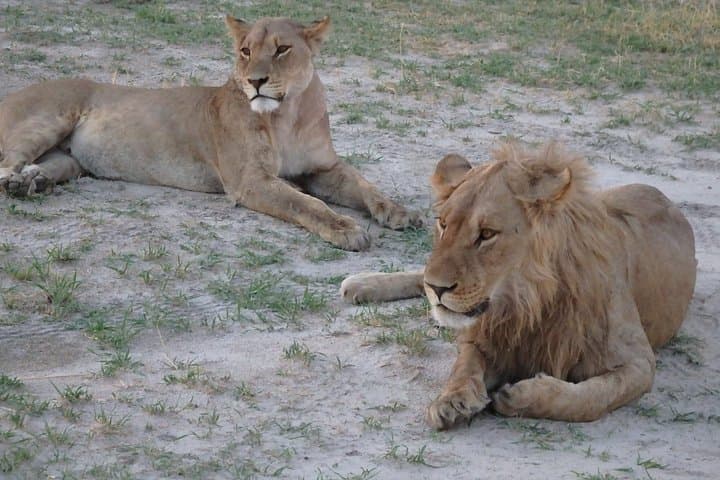
Common sightings include springbok, gemsbok, wildebeest, giraffe, and various birds; predators such as cheetah, lion and leopard are possible but not guaranteed.
The reserve was established in 1961 and is one of Africa’s largest protected areas; its human history includes San communities whose tracking knowledge informs modern eco-tourism.
CKGR is managed for low-impact tourism to protect fragile pan ecosystems and migratory routes; visitors are asked to follow leave-no-trace practices and avoid off-track driving.
Kalahari Breeze Safaris operates guided outdoor trips and adventures with an emphasis on safety, stewardship, and memorable experiences.



The first light in Deception Valley strips the horizon into long, honest planes: pale grass, white pans, and the slow silhouettes of gemsbok moving like punctuation across the plain. You arrive by 4x4, the engine settling into the hush of the reserve, and the camp—stretcher beds, bucket showers and a low fire—feels both primitive and deliberately comfortable.
The first light in Deception Valley strips the horizon into long, honest planes: pale grass, white pans, and the slow silhouettes of gemsbok moving like punctuation across the plain. You arrive by 4x4, the engine settling into the hush of the reserve, and the camp—stretcher beds, bucket showers and a low fire—feels both primitive and deliberately comfortable.
Central Kalahari Game Reserve (about 52,800 sq km) is a vast semi-arid basin of pans and dunefields carved by ancient wind and intermittent rains. The valley’s umbrella-thorn acacias and broad pans shape a living geography where resident and nomadic species follow seasonal pulses of water and grass. Human history here is light on infrastructure but deep in knowledge: San tracking traditions and decades of ecological study inform respectful travel.
Days are for tracking: springbok, wildebeest, giraffe and the thin, watchful profiles of secretary birds; nights belong to sound—hyena calls and the low rumble of distant predators. Summer rains (roughly November–January) turn the pans into herbivore magnets; dry-season drives reveal the reserve’s endless scale and solitude.
Practical guide: pack layered clothing for hot days and cold nights, 3–4 liters of water per person for drives, a wide-brim hat and high-SPF sunscreen. Expect basic hot-bush showers, shared toilet facilities and game drives that can last several hours; cameras with long lenses and binoculars are essential. Respect park regulations, keep noise low, and follow guides’ instructions for safety around wildlife. This is a hands-on, remote safari where quiet observation delivers the best encounters.