THE ADVENTURE COLLECTIVE® · Independent discovery and booking for outdoor travel

A focused, guided 3-day loop that delivers Torres del Paine’s headline hikes — Base Torres, French Valley and Grey Glacier viewpoints — with campsite comfort on Lake Pehoé. Ideal for hikers who want full trail days without the weight of a long-distance carry.
A focused, guided 3-day loop that delivers Torres del Paine’s headline hikes — Base Torres, French Valley and Grey Glacier viewpoints — with campsite comfort on Lake Pehoé. Ideal for hikers who want full trail days without the weight of a long-distance carry.
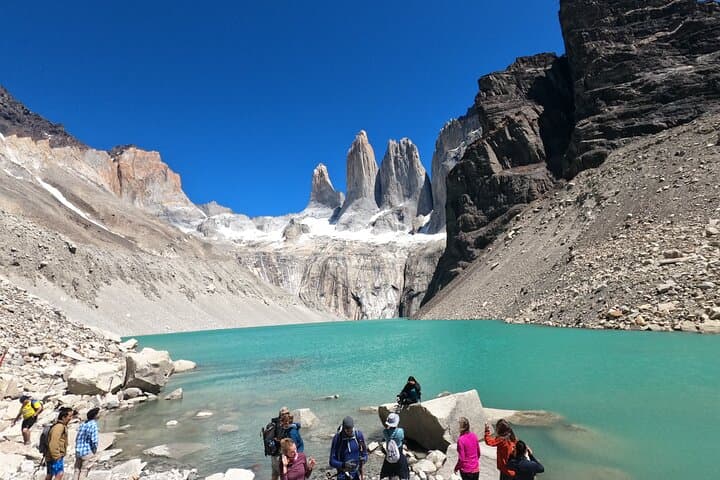
The bus slides away from Puerto Natales before dawn and, as the coastline recedes, Patagonia begins to speak in bigger gestures: wind, granite, and sudden sheets of sky. By mid-morning you’re at the Ascencio trailhead, boots dusted, breath visible in the cool air, following the river that seems to dare you onward. Trees thin. The trail steepens. Then the towers appear — three granite sentries rising above a turquoise lake — and the effort snaps into place.
Verified experiences and guided adventures in the surrounding area.
Operated by Howlanders · Puerto Natales, Magallanes y la Antártica Chilena
The bus slides away from Puerto Natales before dawn and, as the coastline recedes, Patagonia begins to speak in bigger gestures: wind, granite, and sudden sheets of sky. By mid-morning you’re at the Ascencio trailhead, boots dusted, breath visible in the cool air, following the river that seems to dare you onward. Trees thin. The trail steepens. Then the towers appear — three granite sentries rising above a turquoise lake — and the effort snaps into place.
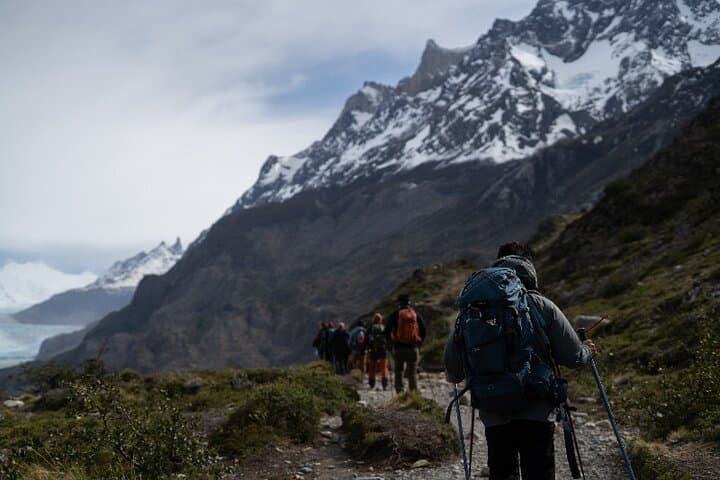
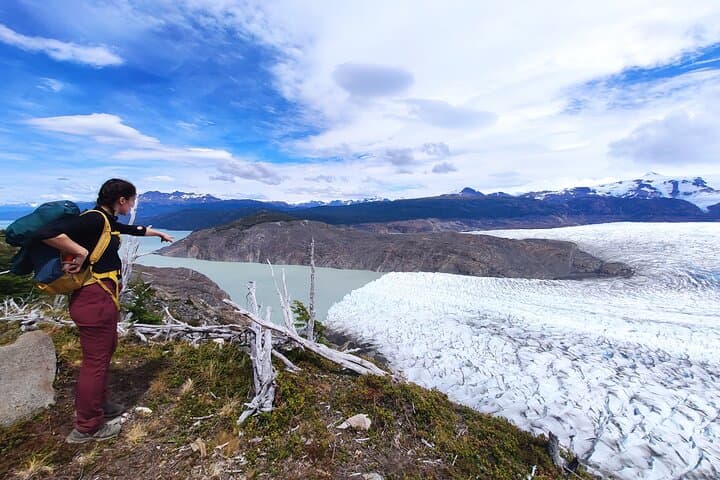
This three-day guided version of the W trek compresses Torres del Paine’s signature sequences into achievable, focused days. The route covers the classic trilogy: the Base Torres approach with its gruelling final moraine climb (about 18–20 km round trip, ~900 m elevation gain, 8–10 hours), the French Valley traverse via catamaran to Paine Grande (10–18 km depending on how far the group pushes, 6–8 hours), and the Grey Glacier viewpoint along exposed ridgelines and lakeshore (10–16 km, 5–7 hours). Guides temper each day with local context — geology lessons about Paine’s layered granite and sedimentary bands, natural history of lenga forests, and stories of the Kawésqar and other Patagonian peoples.
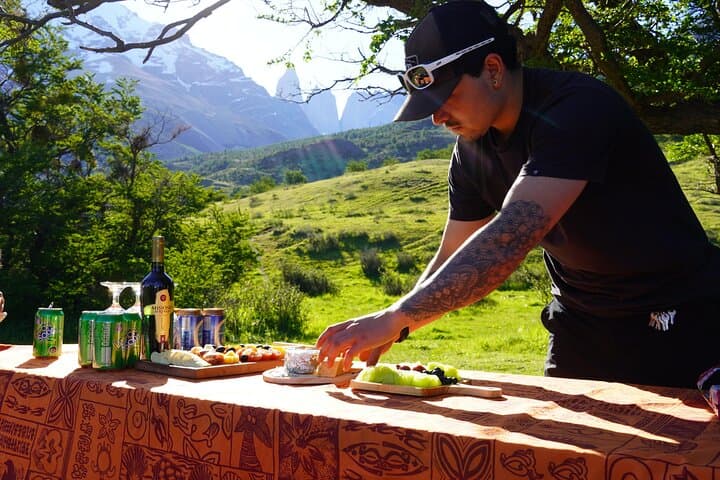
Geologically, the park is an argument of pressure and time: glaciers carved the valleys you walk, and the towers’ sheer faces are the remainder of harder rock resisting millennia of wind and ice. Culturally, the food at Camping Pehoé nods to hearty Patagonian fare — stews, roasted root vegetables, and robust breads — a practical counterpoint to long hours on the trail.
Practical planning makes the experience sing. Expect variable weather: strong sun, driving rain, and scissors-like gusts can happen in a single day. The guided format reduces your pack weight — food and transfers are included and you sleep two nights at Pehoé so you leave heavy overnight gear behind at camp. Still, bring a reliable waterproof shell, layered insulating pieces, and boots that can handle river rocks and mud.
Hydration and pacing are crucial on steep sections like La Morrena; water is available at trail springs but treat it if you’re sensitive. Photography stops are frequent and deserved — sunrise on the Towers and the French Lookout’s view of hanging glaciers are worth the extra minutes. The final catamaran crossings across Lake Pehoé feel like commas in the itinerary, calm water separating two intense days of walking.
This version of the W trek is an efficient entry to one of the world’s great hikes: it gives you the park’s geological high notes, daily rhythm with comfortable meal timing, and the safety and interpretation of a local guide. For travelers who want maximum trail time with minimal logistical friction, it’s an effective way to meet Torres del Paine on foot.
challenging.
3 days.
Good cardiovascular fitness and experience hiking 6–10 hours with elevation gain; comfortable on uneven terrain
Expect 5–10 hours of hiking per day with mixed terrain; Base Torres includes a sustained 900 m ascent over rocky trail.
Yes — breakfasts, lunches and dinners outlined in the itinerary are included, plus snacks and evening refreshments at the campsite.
No — the tour stays at Camping Pehoé both nights so you can leave heavy overnight gear at the camp and hike with a lighter daypack.
No — you must purchase the Torres del Paine park pass online independently before the trip.
Groups are shared with up to 15 travelers, balancing company with manageable group dynamics.
The itinerary runs in most weather; guides adjust pace and stops for safety. Severe conditions may alter routes but the trip rarely cancels.
The park’s landscape was sculpted by successive glaciations; human history includes nomadic Kawésqar and Tehuelche communities who traversed these lands for millennia.
Visitor numbers are regulated with park passes and established trails; stick to marked routes and follow leave-no-trace rules to protect fragile grasslands and peat bogs.
Howlanders operates guided outdoor trips and adventures with an emphasis on safety, stewardship, and memorable experiences.
The bus slides away from Puerto Natales before dawn and, as the coastline recedes, Patagonia begins to speak in bigger gestures: wind, granite, and sudden sheets of sky. By mid-morning you’re at the Ascencio trailhead, boots dusted, breath visible in the cool air, following the river that seems to dare you onward. Trees thin. The trail steepens. Then the towers appear — three granite sentries rising above a turquoise lake — and the effort snaps into place.
The bus slides away from Puerto Natales before dawn and, as the coastline recedes, Patagonia begins to speak in bigger gestures: wind, granite, and sudden sheets of sky. By mid-morning you’re at the Ascencio trailhead, boots dusted, breath visible in the cool air, following the river that seems to dare you onward. Trees thin. The trail steepens. Then the towers appear — three granite sentries rising above a turquoise lake — and the effort snaps into place.
This three-day guided version of the W trek compresses Torres del Paine’s signature sequences into achievable, focused days. The route covers the classic trilogy: the Base Torres approach with its gruelling final moraine climb (about 18–20 km round trip, ~900 m elevation gain, 8–10 hours), the French Valley traverse via catamaran to Paine Grande (10–18 km depending on how far the group pushes, 6–8 hours), and the Grey Glacier viewpoint along exposed ridgelines and lakeshore (10–16 km, 5–7 hours). Guides temper each day with local context — geology lessons about Paine’s layered granite and sedimentary bands, natural history of lenga forests, and stories of the Kawésqar and other Patagonian peoples.
Geologically, the park is an argument of pressure and time: glaciers carved the valleys you walk, and the towers’ sheer faces are the remainder of harder rock resisting millennia of wind and ice. Culturally, the food at Camping Pehoé nods to hearty Patagonian fare — stews, roasted root vegetables, and robust breads — a practical counterpoint to long hours on the trail.
Practical planning makes the experience sing. Expect variable weather: strong sun, driving rain, and scissors-like gusts can happen in a single day. The guided format reduces your pack weight — food and transfers are included and you sleep two nights at Pehoé so you leave heavy overnight gear behind at camp. Still, bring a reliable waterproof shell, layered insulating pieces, and boots that can handle river rocks and mud.
Hydration and pacing are crucial on steep sections like La Morrena; water is available at trail springs but treat it if you’re sensitive. Photography stops are frequent and deserved — sunrise on the Towers and the French Lookout’s view of hanging glaciers are worth the extra minutes. The final catamaran crossings across Lake Pehoé feel like commas in the itinerary, calm water separating two intense days of walking.
This version of the W trek is an efficient entry to one of the world’s great hikes: it gives you the park’s geological high notes, daily rhythm with comfortable meal timing, and the safety and interpretation of a local guide. For travelers who want maximum trail time with minimal logistical friction, it’s an effective way to meet Torres del Paine on foot.