THE ADVENTURE COLLECTIVE® · Independent discovery and booking for outdoor travel

Cross the blinding white of Salar de Uyuni and trace a compact circuit of red lagoons, geysers and thermal pools on this three‑day air‑expedition from La Paz. Expect high altitudes, basic lodging, and dramatic geological contrasts.
Cross the blinding white of Salar de Uyuni and trace a compact circuit of red lagoons, geysers and thermal pools on this three‑day air‑expedition from La Paz. Expect high altitudes, basic lodging, and dramatic geological contrasts.
A low white horizon opens like a page of light as the plane descends toward Uyuni; the salt flats stretch away, flat and blinding, broken only by the dark silhouette of Incahuasi Island and distant volcanoes. On this three‑day air‑expedition the landscape keeps changing — rust-red lagoons, sulfurous geysers, and wind-sculpted deserts — each scene a different chapter of the Altiplano.
Verified experiences and guided adventures in the surrounding area.
Operated by Bamba Travel · Uyuni, Potosí
A low white horizon opens like a page of light as the plane descends toward Uyuni; the salt flats stretch away, flat and blinding, broken only by the dark silhouette of Incahuasi Island and distant volcanoes. On this three‑day air‑expedition the landscape keeps changing — rust-red lagoons, sulfurous geysers, and wind-sculpted deserts — each scene a different chapter of the Altiplano.
The Salar de Uyuni formed from prehistoric lakes that evaporated, leaving up to 10 meters of salt crust over clay. Nearby volcanic activity feeds the colorful high‑altitude lagoons where flamingos feed in mineral-rich shallows. Small salt-processing towns like Colchani and age‑worn train cemeteries tell the human story: mining, transport, and subsistence in a place where resources are scarce and weather is decisive.
Expect multi-hour drives at 3,700–5,000 m, simple guesthouses and one night in a salt-constructed hostel. Mornings can be brutally cold; afternoons burn with intense UV. The Sol de Mañana geysers belch scalding steam and the Polques hot springs offer practical warmth and relief after a long dawn at 4,900 m.
Plan for acclimatization — spend time above 3,000 m first — and bring layered insulation, strong sun protection, and at least 3–5 liters of water per person. Vehicles cross remote terrain where repairs are part of the itinerary; patience and a sense of adaptability turn delays into added field time. With preparation, this compact circuit delivers some of the most surreal high‑altitude scenery on the planet.
moderate.
3 days.
Suitable for generally fit travelers who can tolerate long vehicle days and high altitude; prior acclimatization recommended.
Most stops are between 3,700–4,900 m; many people feel headaches or shortness of breath. Acclimatize beforehand, stay well hydrated and consult a physician about acetazolamide if you have concerns.
During the rainy season (Jan–Apr) large areas flood and operators alter the route to take advantage of reflective water; dry‑season crossings are more extensive.
Expect basic, remote hostels and one night in a salt‑block lodging with limited plumbing and intermittent electricity — bring a sleeping bag for colder months.
This tour includes round‑trip internal flights between La Paz and Uyuni, but weather at high altitude can cause delays; schedules are subject to change.
The salt flats are remnants of prehistoric lakes and have long supported indigenous salt harvesting and high‑altitude trade routes tied to Potosí mining history.
The area is fragile: avoid leaving trash, minimize driving off established tracks, and respect local water sources and flamingo breeding zones.
Bamba Travel operates guided outdoor trips and adventures with an emphasis on safety, stewardship, and memorable experiences.
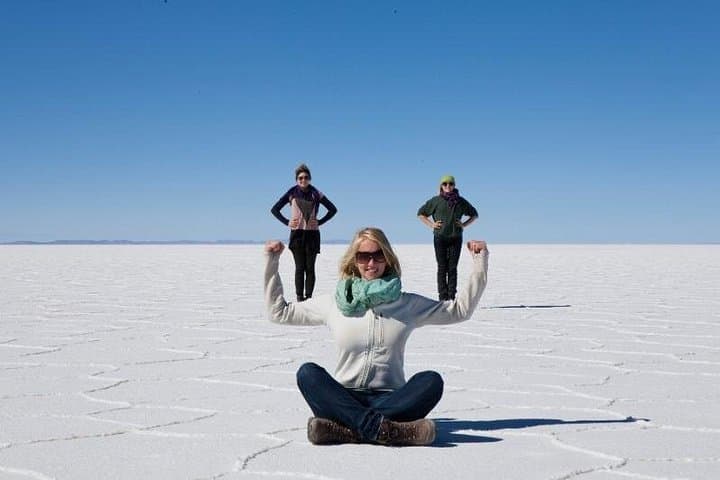
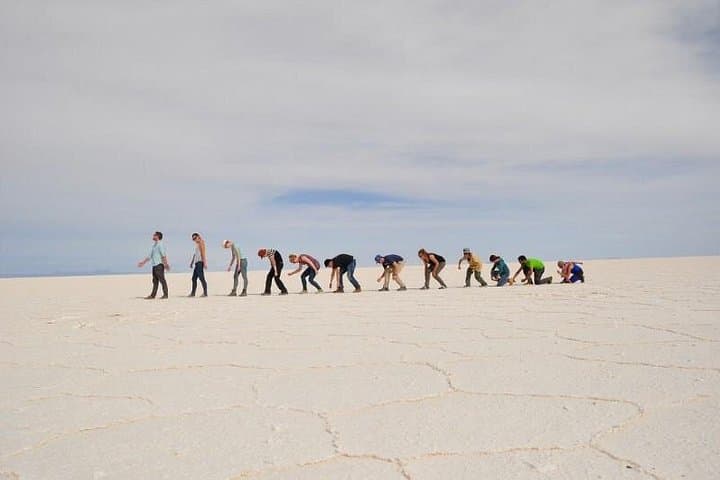
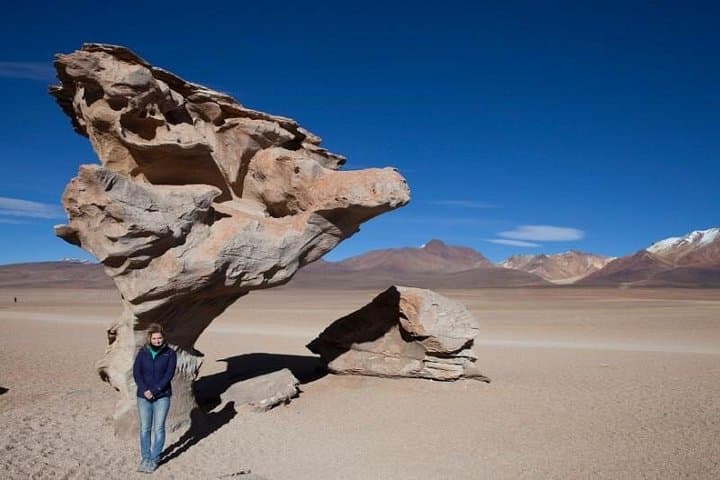
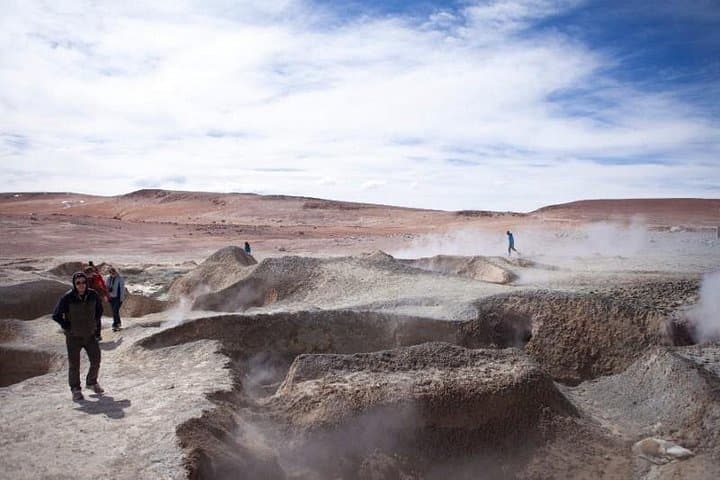
A low white horizon opens like a page of light as the plane descends toward Uyuni; the salt flats stretch away, flat and blinding, broken only by the dark silhouette of Incahuasi Island and distant volcanoes. On this three‑day air‑expedition the landscape keeps changing — rust-red lagoons, sulfurous geysers, and wind-sculpted deserts — each scene a different chapter of the Altiplano.
A low white horizon opens like a page of light as the plane descends toward Uyuni; the salt flats stretch away, flat and blinding, broken only by the dark silhouette of Incahuasi Island and distant volcanoes. On this three‑day air‑expedition the landscape keeps changing — rust-red lagoons, sulfurous geysers, and wind-sculpted deserts — each scene a different chapter of the Altiplano.
The Salar de Uyuni formed from prehistoric lakes that evaporated, leaving up to 10 meters of salt crust over clay. Nearby volcanic activity feeds the colorful high‑altitude lagoons where flamingos feed in mineral-rich shallows. Small salt-processing towns like Colchani and age‑worn train cemeteries tell the human story: mining, transport, and subsistence in a place where resources are scarce and weather is decisive.
Expect multi-hour drives at 3,700–5,000 m, simple guesthouses and one night in a salt-constructed hostel. Mornings can be brutally cold; afternoons burn with intense UV. The Sol de Mañana geysers belch scalding steam and the Polques hot springs offer practical warmth and relief after a long dawn at 4,900 m.
Plan for acclimatization — spend time above 3,000 m first — and bring layered insulation, strong sun protection, and at least 3–5 liters of water per person. Vehicles cross remote terrain where repairs are part of the itinerary; patience and a sense of adaptability turn delays into added field time. With preparation, this compact circuit delivers some of the most surreal high‑altitude scenery on the planet.