THE ADVENTURE COLLECTIVE® · Independent discovery and booking for outdoor travel

Cross the world’s largest salt flat on a three-day 4x4 circuit that pairs the endless white of Salar de Uyuni with mirage-like lagoons, desert rock sculptures and geothermal fields. Practical advice on altitude, timing and gear helps make the trip safer and more rewarding.
Cross the world’s largest salt flat on a three-day 4x4 circuit that pairs the endless white of Salar de Uyuni with mirage-like lagoons, desert rock sculptures and geothermal fields. Practical advice on altitude, timing and gear helps make the trip safer and more rewarding.
The first light hits the salt like powdered glass and the horizon loses its edge: you step from the jeep into a white plain so vast it redefines distance.
Verified experiences and guided adventures in the surrounding area.
Operated by Latina Travel · Uyuni, Potosí Department
The first light hits the salt like powdered glass and the horizon loses its edge: you step from the jeep into a white plain so vast it redefines distance.
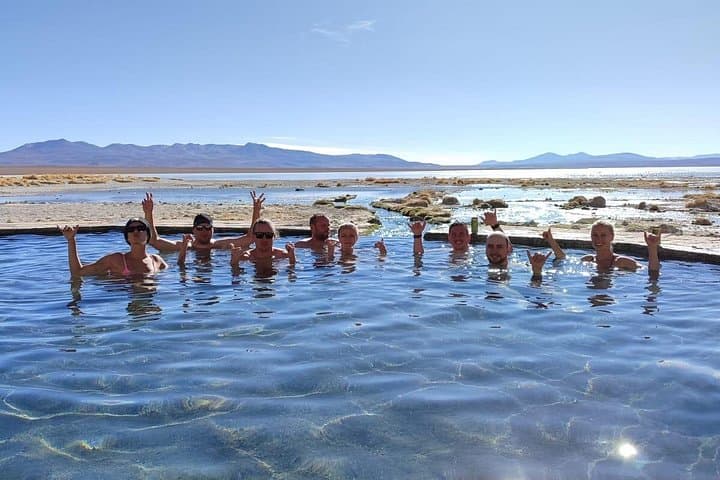
This three-day circuit moves from the industrial ghosts at the Train Cemetery to the cactus forest of Incahuasi, then south across alien deserts to Laguna Colorada and the steaming vents of Sol de Mañana. Geology here is blunt — an evaporated sea layered with halite and gypsum atop a high-altitude basin cut by volcanism — and it shapes everything: salt plates that crack into polygonal tiles, volcanic pumice fields, and mineral-rich lagoons that stain the earth in ochre and scarlet.
Uyuni sits at the margin of Aymara lands; salt has been harvested by local communities for centuries and the rail relics tell of 19th–20th century mining booms. Wildlife is sparse but spectacular: flocks of Andean flamingos feeding along shallow lakes, and the occasional vicuña on the altiplano.
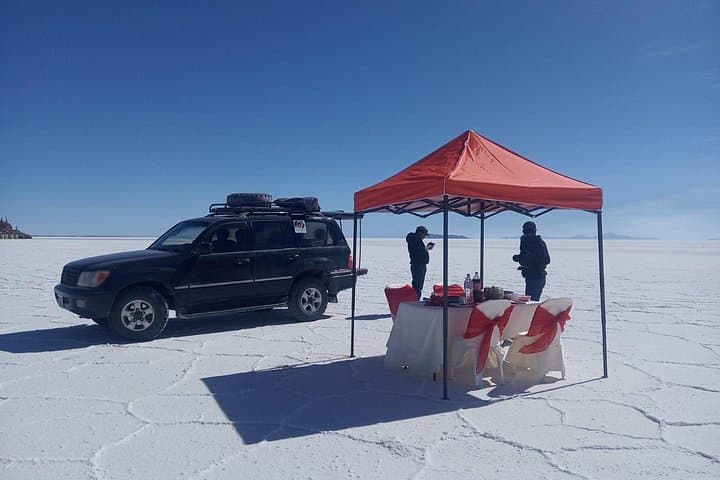
Practicalities matter here. Altitude rises quickly — daytime warmth turns to single-digit nights — and weather shifts fast. Expect long drives in 4x4s over rolling salt and desert tracks, short walks on the island and shorelines, and basic lodgings with options to upgrade to salt-built hotels. Bring layered clothing, strong sun protection, cash for small purchases, and time to acclimatize in Uyuni town before departure. Photographers should plan sunrise and sunset windows; the rest of the day is for pacing and drinking in the scale of the plain.
moderate.
3 days.
Light-to-moderate fitness is sufficient for short walks and vehicle transfers, but be prepared for high-altitude exertion and long travel days.
Dry season (May–October) gives firm salt crust and clear skies; the wet season (January–March) creates the famous mirror effect but can limit access after heavy rains.
Yes—altitudes often exceed 3,600 m and reach above 4,000 m; symptoms include headache and breathlessness, so acclimatize, hydrate, and consult a doctor about medication if you have concerns.
Standard packages include simple lodges or dorms with options to upgrade to private or salt-built hotels; expect basic heating and plumbing in remote areas.
Pregnant travelers are generally not recommended for high-altitude tours; families with children should check operator age policies and prepare for long drives and variable conditions.
The salt flats sit atop an ancient lakebed and have been a source of salt and resources for indigenous Aymara communities for centuries, later shaped by 19th-century mining and rail development.
The altiplano is ecologically fragile—stay on designated routes, avoid littering, and use operators that support local communities and minimize disturbance to flamingo breeding areas.
Latina Travel operates guided outdoor trips and adventures with an emphasis on safety, stewardship, and memorable experiences.
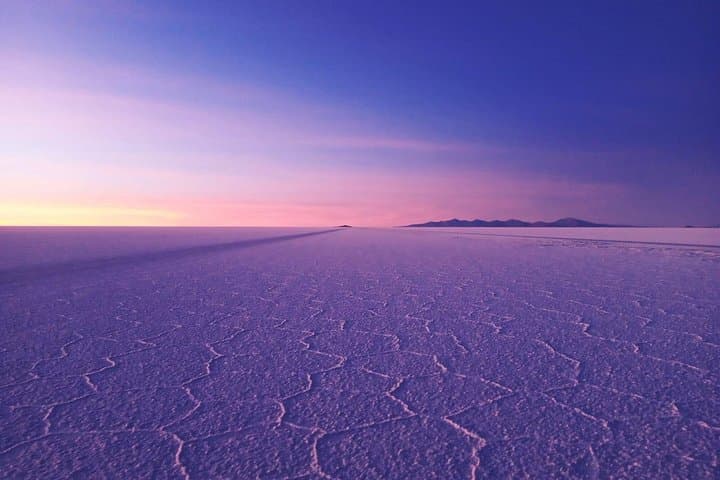
The first light hits the salt like powdered glass and the horizon loses its edge: you step from the jeep into a white plain so vast it redefines distance.
The first light hits the salt like powdered glass and the horizon loses its edge: you step from the jeep into a white plain so vast it redefines distance.
This three-day circuit moves from the industrial ghosts at the Train Cemetery to the cactus forest of Incahuasi, then south across alien deserts to Laguna Colorada and the steaming vents of Sol de Mañana. Geology here is blunt — an evaporated sea layered with halite and gypsum atop a high-altitude basin cut by volcanism — and it shapes everything: salt plates that crack into polygonal tiles, volcanic pumice fields, and mineral-rich lagoons that stain the earth in ochre and scarlet.
Uyuni sits at the margin of Aymara lands; salt has been harvested by local communities for centuries and the rail relics tell of 19th–20th century mining booms. Wildlife is sparse but spectacular: flocks of Andean flamingos feeding along shallow lakes, and the occasional vicuña on the altiplano.
Practicalities matter here. Altitude rises quickly — daytime warmth turns to single-digit nights — and weather shifts fast. Expect long drives in 4x4s over rolling salt and desert tracks, short walks on the island and shorelines, and basic lodgings with options to upgrade to salt-built hotels. Bring layered clothing, strong sun protection, cash for small purchases, and time to acclimatize in Uyuni town before departure. Photographers should plan sunrise and sunset windows; the rest of the day is for pacing and drinking in the scale of the plain.