THE ADVENTURE COLLECTIVE® · Independent discovery and booking for outdoor travel

Three days in the Red Centre condense Uluru’s monolithic presence, the domes of Kata Tjuta, and the dramatic cliffs of Kings Canyon into a single outback safari. Expect guided cultural insight, off-grid campsites, and a mix of short walks plus one longer hike.
Three days in the Red Centre condense Uluru’s monolithic presence, the domes of Kata Tjuta, and the dramatic cliffs of Kings Canyon into a single outback safari. Expect guided cultural insight, off-grid campsites, and a mix of short walks plus one longer hike.
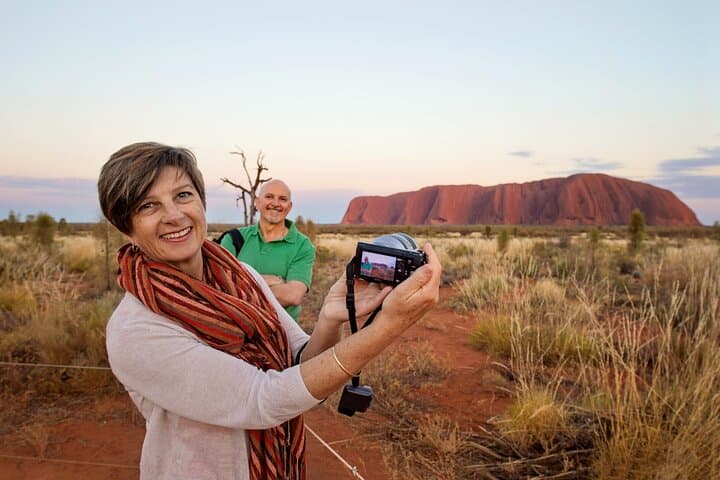
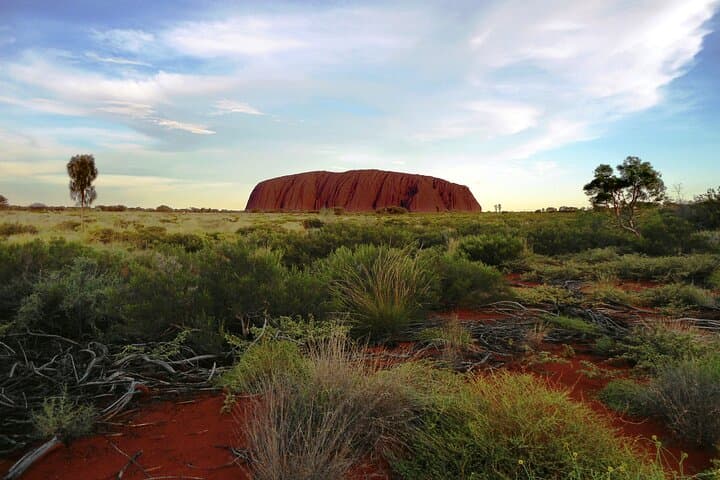
You step off the mini-coach as the horizon shifts—Uluru’s red face warming from rust to copper, wind teasing the spinifex. The smell of dust and diesel, campfire and bush resin hangs in the air. Over three days this small-group safari threads you through the spine of the Red Centre: the immovable monolith of Uluru, the folded domes of Kata Tjuta, and the serrated rim of Kings Canyon. Guides move with quiet authority, narrating Dreamtime stories as easily as rock formation names, and the landscape answers with sudden, absolute silence.
Verified experiences and guided adventures in the surrounding area.
Operated by Autopia Tours · Yulara, Northern Territory
You step off the mini-coach as the horizon shifts—Uluru’s red face warming from rust to copper, wind teasing the spinifex. The smell of dust and diesel, campfire and bush resin hangs in the air. Over three days this small-group safari threads you through the spine of the Red Centre: the immovable monolith of Uluru, the folded domes of Kata Tjuta, and the serrated rim of Kings Canyon. Guides move with quiet authority, narrating Dreamtime stories as easily as rock formation names, and the landscape answers with sudden, absolute silence.
Geology here reads like a slow-motion drama. Uluru is an ancient, hardened sandstone slab tilted on its side over 500 million years; Kata Tjuta’s conglomerate domes are the product of compressed riverbeds. Watarrka (Kings Canyon) was carved by wind and water into vertical sandstone walls and hidden gorges. But the region is more than stone—Anangu people have managed this country for millennia. Expect guided cultural context at the Cultural Centre, hear the traditional owners’ stories at Mutitjulu Waterhole, and learn why certain sites remain closed to photography or entry.
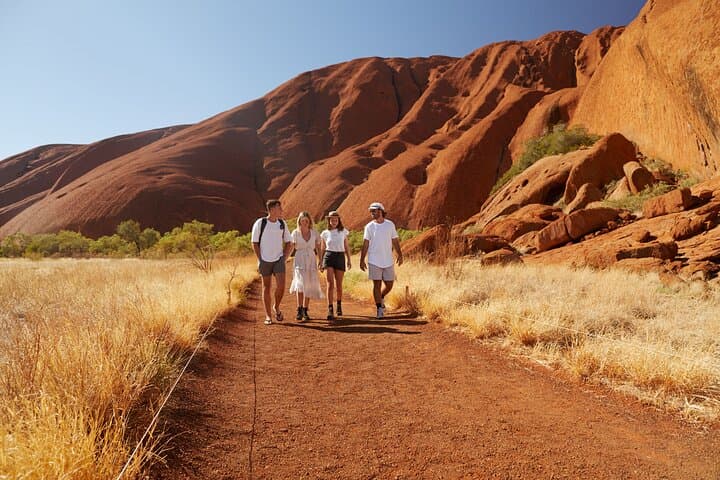
Days are paced by light. A pre-dawn wake-up for sunrise at Uluru, a walk through the Valley of the Winds or Walpa Gorge at Kata Tjuta, and an early-morning assault on Kings Canyon’s rim yield the best views and coolest temperatures. Terrain varies: flat base walks, rocky gullies, and the Kings Canyon rim, where stair-like scrambles reward you with 100-metre drop views. Walk distances on this itinerary run short to moderate each day (2–4 km), with one longer stretch totaling roughly 9–11 km; expect rocky surfaces and uneven footing.
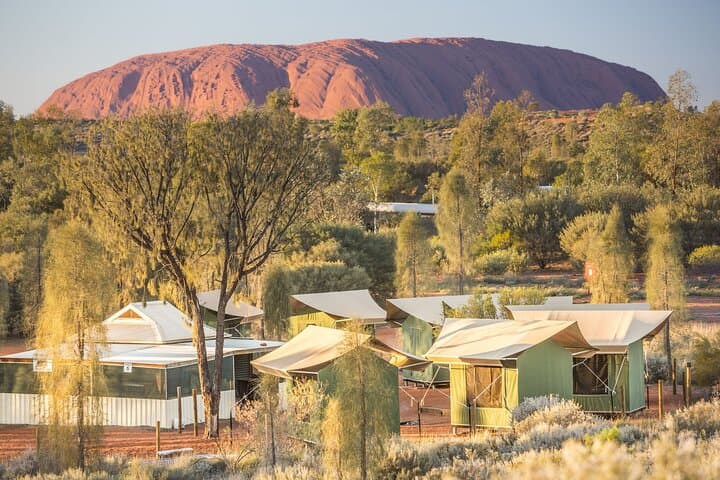
Practicalities matter in the outback. Carry at least 3L of water in summer, sun-protective clothing year-round, and sturdy boots with ankle support. Camps are off-grid: safari tents or traditional swags under the stars, communal cooking, and solar-powered facilities. Baggage limits apply—pack light, keep flights off the final day to avoid travel risk, and advise dietary or medical needs well before departure.
This tour is an efficient, grounded way to experience the park’s highlights with local perspective: the rock’s color shifts, the hush after dusk, the way fire and water shape the land. If you want concentrated exposure to Uluru-Kata Tjuta National Park’s geology, culture, and remote-camp rhythm—and you’re prepared for heat, dust, and hiking with variable footing—this three-day circuit delivers an intimate, respectful encounter with Australia’s red heart.
challenging.
3 days.
Moderate to high cardiovascular fitness; able to manage several hours of walking on uneven terrain and steep scrambles
Yes—drop-off is offered in Alice Springs or Uluru/Ayers Rock/Yulara depending on shuttle availability; confirm your preference when booking.
A moderate-to-high fitness level is needed. Walks are short to moderate daily with one longer 9–11 km stretch; guides may restrict participation for safety.
Most meals on the trip are included—two breakfasts, two lunches and two dinners—prepared communally at camp with options for dietary requirements if advised in advance.
You can choose a twin shared safari tent with bed and linen or a traditional bush swag (canvas bedroll); facilities are off-grid at private camps.
Yes—an Uluru-Kata Tjuta National Park pass is included in the tour price.
It’s not recommended—delays can occur; operators advise against booking flights on the final day of the tour.
Uluru-Kata Tjuta National Park is World Heritage-listed for both its natural and cultural values; the Anangu people have lived in and managed the area for tens of thousands of years.
Operators follow park rules and stick to marked paths to protect fragile desert flora; keep to group sizes and carry out waste—water is scarce and must be conserved.
Autopia Tours operates guided outdoor trips and adventures with an emphasis on safety, stewardship, and memorable experiences.
You step off the mini-coach as the horizon shifts—Uluru’s red face warming from rust to copper, wind teasing the spinifex. The smell of dust and diesel, campfire and bush resin hangs in the air. Over three days this small-group safari threads you through the spine of the Red Centre: the immovable monolith of Uluru, the folded domes of Kata Tjuta, and the serrated rim of Kings Canyon. Guides move with quiet authority, narrating Dreamtime stories as easily as rock formation names, and the landscape answers with sudden, absolute silence.
You step off the mini-coach as the horizon shifts—Uluru’s red face warming from rust to copper, wind teasing the spinifex. The smell of dust and diesel, campfire and bush resin hangs in the air. Over three days this small-group safari threads you through the spine of the Red Centre: the immovable monolith of Uluru, the folded domes of Kata Tjuta, and the serrated rim of Kings Canyon. Guides move with quiet authority, narrating Dreamtime stories as easily as rock formation names, and the landscape answers with sudden, absolute silence.
Geology here reads like a slow-motion drama. Uluru is an ancient, hardened sandstone slab tilted on its side over 500 million years; Kata Tjuta’s conglomerate domes are the product of compressed riverbeds. Watarrka (Kings Canyon) was carved by wind and water into vertical sandstone walls and hidden gorges. But the region is more than stone—Anangu people have managed this country for millennia. Expect guided cultural context at the Cultural Centre, hear the traditional owners’ stories at Mutitjulu Waterhole, and learn why certain sites remain closed to photography or entry.
Days are paced by light. A pre-dawn wake-up for sunrise at Uluru, a walk through the Valley of the Winds or Walpa Gorge at Kata Tjuta, and an early-morning assault on Kings Canyon’s rim yield the best views and coolest temperatures. Terrain varies: flat base walks, rocky gullies, and the Kings Canyon rim, where stair-like scrambles reward you with 100-metre drop views. Walk distances on this itinerary run short to moderate each day (2–4 km), with one longer stretch totaling roughly 9–11 km; expect rocky surfaces and uneven footing.
Practicalities matter in the outback. Carry at least 3L of water in summer, sun-protective clothing year-round, and sturdy boots with ankle support. Camps are off-grid: safari tents or traditional swags under the stars, communal cooking, and solar-powered facilities. Baggage limits apply—pack light, keep flights off the final day to avoid travel risk, and advise dietary or medical needs well before departure.
This tour is an efficient, grounded way to experience the park’s highlights with local perspective: the rock’s color shifts, the hush after dusk, the way fire and water shape the land. If you want concentrated exposure to Uluru-Kata Tjuta National Park’s geology, culture, and remote-camp rhythm—and you’re prepared for heat, dust, and hiking with variable footing—this three-day circuit delivers an intimate, respectful encounter with Australia’s red heart.