THE ADVENTURE COLLECTIVE® · Independent discovery and booking for outdoor travel

Spend three days tracking mountain gorillas in Bwindi Impenetrable National Park, then unwind on Lake Bunyonyi with a canoe cruise. Expect steep, muddy trails, strict permit rules, and an unforgettable one-hour encounter with a habituated gorilla family.
Spend three days tracking mountain gorillas in Bwindi Impenetrable National Park, then unwind on Lake Bunyonyi with a canoe cruise. Expect steep, muddy trails, strict permit rules, and an unforgettable one-hour encounter with a habituated gorilla family.
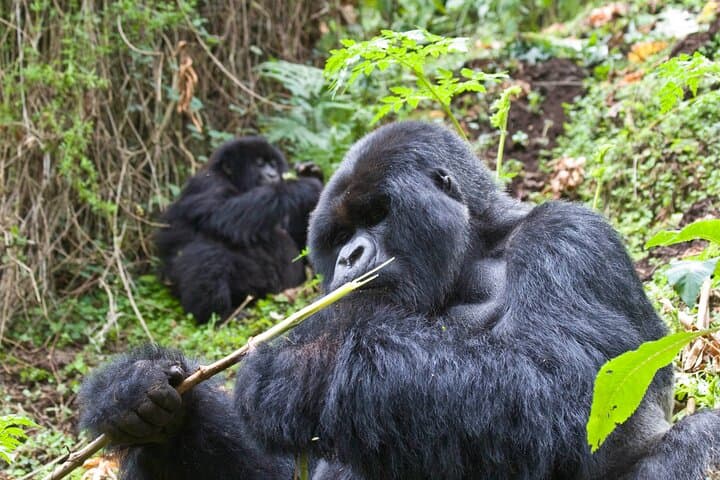
Dawn in Bwindi arrives wet and slow: mist unthreads from giant lobelia and moss-draped fig trees, rangers tighten their straps and porters test the mud with practiced steps. You move into a forest that keeps time differently—every snapped twig and rustle a possible sign that the group you seek is near.
Verified experiences and guided adventures in the surrounding area.
Operated by Safari Vacations & Travel Services · Kisoro, Kisoro District
Dawn in Bwindi arrives wet and slow: mist unthreads from giant lobelia and moss-draped fig trees, rangers tighten their straps and porters test the mud with practiced steps. You move into a forest that keeps time differently—every snapped twig and rustle a possible sign that the group you seek is near.
Bwindi Impenetrable is an ancient montane forest formed on uplifted metamorphic rock and volcanic soils at the western edge of the Rift. The park protects endangered mountain gorillas—studied by researchers and protected by local conservation efforts—and communities from the Bakiga and Batwa who have lived with this forest for generations. After the trek, the landscape opens to Lake Bunyonyi, a lava-dammed basin of quiet islands and canoe-carved shorelines that offers a softer counterpoint to the exertion of the jungle.
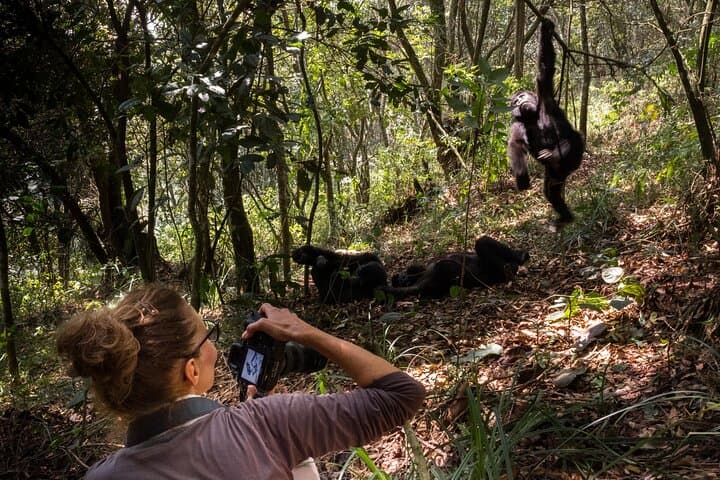
Practical guidance: gorilla permits are required and assigned to specific families; expect a 2–8 hour hike through steep, often muddy trails with up to 1,500–2,400 m elevation and short, sharp climbs. Dress in breathable layers, wear waterproof boots and gaiters, and bring at least 2 liters of water and high-energy snacks. A 1-hour permitted viewing window is strictly enforced—carry a small camera with a quiet shutter and follow ranger directions to avoid stressing the animals.
Timing matters: mornings are most reliable for sightings and cooler temperatures; rainy periods make trails slippery. Respect local rules on hygiene and noise, tip trackers and guides, and consider an extra day at Lake Bunyonyi to recover and explore by canoe.
challenging.
3 days.
Good aerobic fitness and leg strength; able to hike steep, uneven, muddy trails for several hours at high elevation.
Yes—permits are mandatory and limited; book at least 3–6 months ahead during high season to secure access to preferred tracking families.
Uganda generally enforces a minimum age of 15 for gorilla trekking to protect both children and the gorillas—confirm with your operator before booking.
Expect steep, uneven trails, mud and possible elevation changes; prepare with hill training, sturdy boots, and practice hikes of several hours.
Cameras are allowed but silent modes are required; flash photography is prohibited and rangers will instruct you on safe viewing distances.
Bwindi’s forests are ancient, with high biodiversity shaped by tectonic uplift and volcanic activity; the area has long been home to Batwa communities whose forest knowledge aided early conservation efforts.
Gorilla visits fund anti-poaching patrols and community projects; stay on trails, avoid litter, and follow guidelines to minimize disease transmission to wildlife.
Safari Vacations & Travel Services operates guided outdoor trips and adventures with an emphasis on safety, stewardship, and memorable experiences.
Dawn in Bwindi arrives wet and slow: mist unthreads from giant lobelia and moss-draped fig trees, rangers tighten their straps and porters test the mud with practiced steps. You move into a forest that keeps time differently—every snapped twig and rustle a possible sign that the group you seek is near.
Dawn in Bwindi arrives wet and slow: mist unthreads from giant lobelia and moss-draped fig trees, rangers tighten their straps and porters test the mud with practiced steps. You move into a forest that keeps time differently—every snapped twig and rustle a possible sign that the group you seek is near.
Bwindi Impenetrable is an ancient montane forest formed on uplifted metamorphic rock and volcanic soils at the western edge of the Rift. The park protects endangered mountain gorillas—studied by researchers and protected by local conservation efforts—and communities from the Bakiga and Batwa who have lived with this forest for generations. After the trek, the landscape opens to Lake Bunyonyi, a lava-dammed basin of quiet islands and canoe-carved shorelines that offers a softer counterpoint to the exertion of the jungle.
Practical guidance: gorilla permits are required and assigned to specific families; expect a 2–8 hour hike through steep, often muddy trails with up to 1,500–2,400 m elevation and short, sharp climbs. Dress in breathable layers, wear waterproof boots and gaiters, and bring at least 2 liters of water and high-energy snacks. A 1-hour permitted viewing window is strictly enforced—carry a small camera with a quiet shutter and follow ranger directions to avoid stressing the animals.
Timing matters: mornings are most reliable for sightings and cooler temperatures; rainy periods make trails slippery. Respect local rules on hygiene and noise, tip trackers and guides, and consider an extra day at Lake Bunyonyi to recover and explore by canoe.