THE ADVENTURE COLLECTIVE® · Independent discovery and booking for outdoor travel

Spend three compact days tracking mountain gorillas in Bwindi Impenetrable National Park, combined with a Batwa cultural visit. This express itinerary packs a long transfer, a full-day trek with a one-hour viewing session, and return travel into an efficient wildlife encounter.
Spend three compact days tracking mountain gorillas in Bwindi Impenetrable National Park, combined with a Batwa cultural visit. This express itinerary packs a long transfer, a full-day trek with a one-hour viewing session, and return travel into an efficient wildlife encounter.
A mist hungrily lifts from the valleys as the minivan drops you at the Rushaga trailhead; the forest seems to hold its breath. You shoulder your pack, step into a green cathedral where vines reach like patient arms and the understory pushes gently against your legs. Ahead lies the singular promise of Bwindi: a family of mountain gorillas moving through moss and rot, indifferent and alive.
Verified experiences and guided adventures in the surrounding area.
Operated by Eco Adventure Safaris · Kisoro, Kisoro District
A mist hungrily lifts from the valleys as the minivan drops you at the Rushaga trailhead; the forest seems to hold its breath. You shoulder your pack, step into a green cathedral where vines reach like patient arms and the understory pushes gently against your legs. Ahead lies the singular promise of Bwindi: a family of mountain gorillas moving through moss and rot, indifferent and alive.
Bwindi Impenetrable National Park sits on the western edge of the East African Rift, where montane and lowland species overlap. The forest’s geology—ancient, weathered slopes carved by streams—creates steep gullies and dense undergrowth that shaped both wildlife routes and human histories. The Batwa people, forest specialists for generations, offer cultural perspective on living with the forest; their stories are a reminder that conservation and community are entwined.
Practically, the trip is compact and purposeful: internal travel (or a long road transfer) brings you to Rushaga; an early briefing sets limits—one hour with a gorilla group, strict hygiene and photography rules, and ranger-led routes that change by season. Expect variable trekking time (from one to several hours) over muddy, steep terrain; pack layered rain protection, gaiters, and sturdy boots. Bring cash for community contributions and modest tips for guides and porters.
This three-day itinerary concentrates on the encounter—its logistics, its ethics, and its impact—so visitors leave informed, respectful, and profoundly aware that they witnessed one of the planet’s rarest, most fragile social communities.
moderate.
3 days.
Participants should have a moderate level of fitness—able to hike uphill for several hours on uneven, muddy trails.
Once the gorilla group is located you have one hour to observe and photograph them under ranger supervision.
The permit covers park access and gorilla tracking; current permit fees are set by Uganda Wildlife Authority and must be purchased in advance—this tour lists the permit fee separately.
Gorilla trekking isn’t recommended for pregnant travelers or very young children; fitness requirements and health risks are assessed at briefing.
Yes—this itinerary includes a Batwa cultural experience, typically a short visit or performance led by community members, which supports local income.
The Batwa people are among Uganda’s oldest forest dwellers; creation of Bwindi for conservation displaced many communities, leading to ongoing cultural and economic negotiations.
Gorilla trekking is tightly regulated—permits, ranger escorts, and strict health rules minimize disease and disturbance; support community initiatives to fund conservation.
Eco Adventure Safaris operates guided outdoor trips and adventures with an emphasis on safety, stewardship, and memorable experiences.
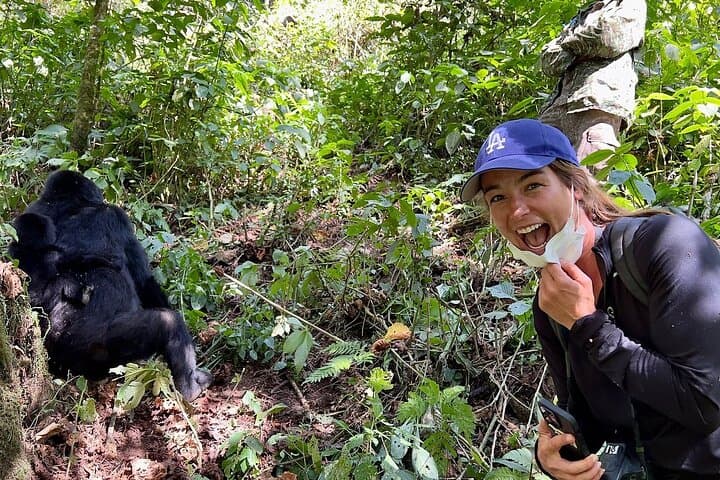
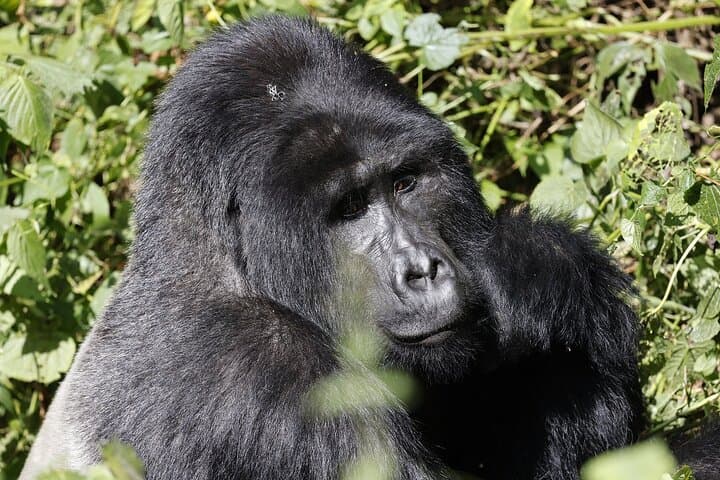
A mist hungrily lifts from the valleys as the minivan drops you at the Rushaga trailhead; the forest seems to hold its breath. You shoulder your pack, step into a green cathedral where vines reach like patient arms and the understory pushes gently against your legs. Ahead lies the singular promise of Bwindi: a family of mountain gorillas moving through moss and rot, indifferent and alive.
A mist hungrily lifts from the valleys as the minivan drops you at the Rushaga trailhead; the forest seems to hold its breath. You shoulder your pack, step into a green cathedral where vines reach like patient arms and the understory pushes gently against your legs. Ahead lies the singular promise of Bwindi: a family of mountain gorillas moving through moss and rot, indifferent and alive.
Bwindi Impenetrable National Park sits on the western edge of the East African Rift, where montane and lowland species overlap. The forest’s geology—ancient, weathered slopes carved by streams—creates steep gullies and dense undergrowth that shaped both wildlife routes and human histories. The Batwa people, forest specialists for generations, offer cultural perspective on living with the forest; their stories are a reminder that conservation and community are entwined.
Practically, the trip is compact and purposeful: internal travel (or a long road transfer) brings you to Rushaga; an early briefing sets limits—one hour with a gorilla group, strict hygiene and photography rules, and ranger-led routes that change by season. Expect variable trekking time (from one to several hours) over muddy, steep terrain; pack layered rain protection, gaiters, and sturdy boots. Bring cash for community contributions and modest tips for guides and porters.
This three-day itinerary concentrates on the encounter—its logistics, its ethics, and its impact—so visitors leave informed, respectful, and profoundly aware that they witnessed one of the planet’s rarest, most fragile social communities.