THE ADVENTURE COLLECTIVE® · Independent discovery and booking for outdoor travel

Three days that combine the raw thrill of gorilla trekking in Bwindi with the calm of Lake Bunyonyi and a hands-on look at life on the Equator. Expect steep trails, a regulated one-hour gorilla viewing, and optional canoeing and village walks.
Three days that combine the raw thrill of gorilla trekking in Bwindi with the calm of Lake Bunyonyi and a hands-on look at life on the Equator. Expect steep trails, a regulated one-hour gorilla viewing, and optional canoeing and village walks.
Morning light slices through mist as a 4x4 grinds away from Kampala, coffee-stained countryside sliding past the windows. By the time the road narrows and the air grows cooler, Bwindi’s dark forest looms—an ancient green that holds gorilla families and the rhythms of local village life.
Verified experiences and guided adventures in the surrounding area.
Operated by TWIJA AFRICA SAFARIS · Buhoma, Kanungu District
Morning light slices through mist as a 4x4 grinds away from Kampala, coffee-stained countryside sliding past the windows. By the time the road narrows and the air grows cooler, Bwindi’s dark forest looms—an ancient green that holds gorilla families and the rhythms of local village life.
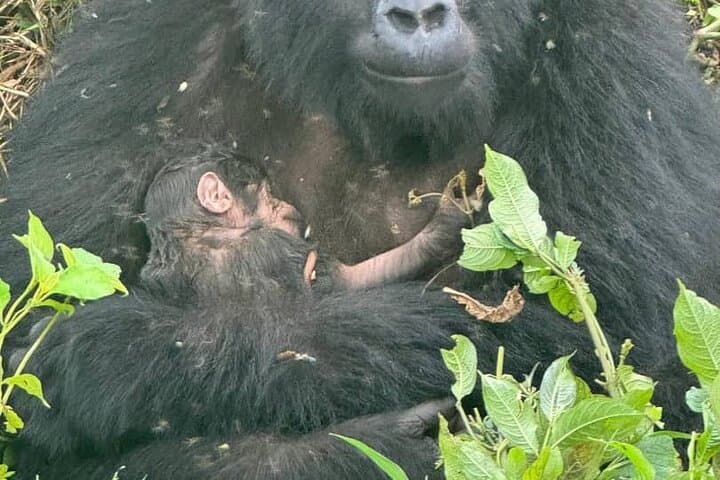
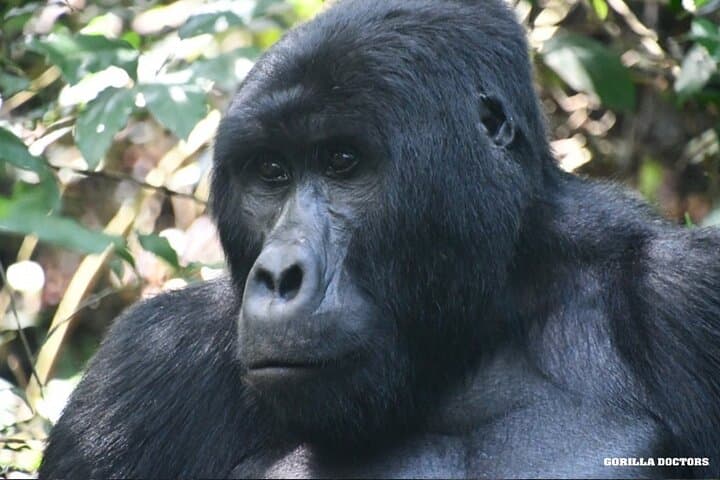
Bwindi Impenetrable Forest is geologically old, a fragment of tropical forest that predates modern East African rift valleys. Its steep ridges, moss-draped trunks and fast-draining soils create the dense habitat mountain gorillas prefer. Culturally, the region is home to Bakiga and Batwa communities; community walks and homestead visits offer a clear view of how conservation and livelihoods intersect.
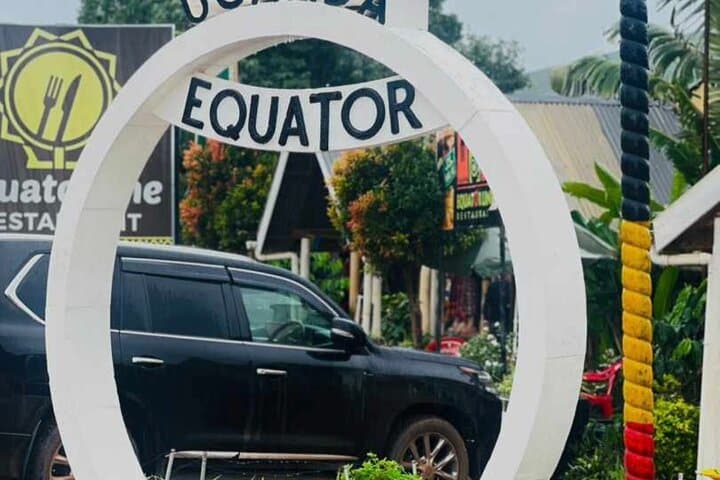
The tour pairs one hour with habituated gorillas—an intimate, regulated encounter—plus a quieter stay at Lake Bunyonyi, whose terraced hills and thousands of tiny islands reflect a different pace. Stops at the Uganda Equator provide a light, educational pause and good photo opportunities.
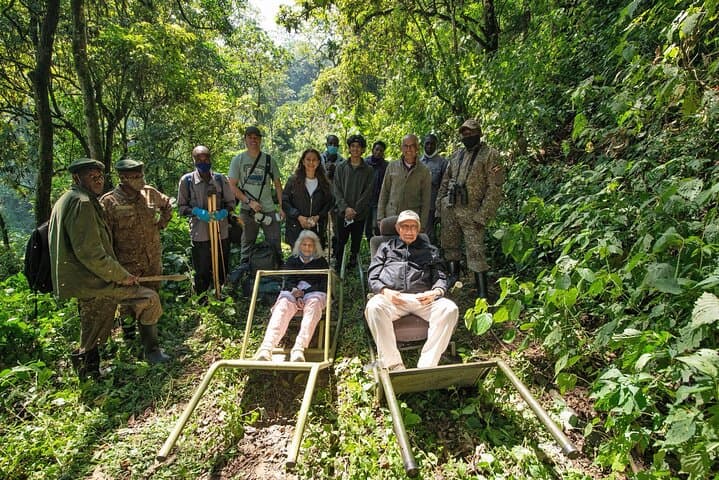
Practically: permits are required and tracking can take 2–8 hours over steep, muddy trails; expect uneven footing, short steep climbs, and heavy foliage. Pack rain gear, sturdy boots, and layered clothing for variable mountain weather. Bring cash for crafts and small community fees; binoculars and a telephoto lens improve wildlife viewing without breaking the 7-meter viewing rule. Hydrate and pace yourself—guides set the route, but physical readiness makes the hour with gorillas safer and more rewarding.
This trip balances wildlife focus with cultural exchange and lakeside downtime—compact, active, and rooted in conservation.
moderate.
3 days.
Participants should have moderate fitness—able to hike 3–6 hours on uneven, steep terrain and handle short, strenuous bursts.
Yes—an official gorilla trekking permit is required for each person and controls visitor numbers; your operator usually arranges it in advance.
Tracking varies from 2–8 hours depending on gorilla movements; the regulated viewing time with the gorillas is one hour.
Children under 15 are generally not permitted to enter gorilla tracking areas; age rules and health policies are enforced for safety and conservation.
Yellow fever vaccination may be required for entry; malaria prophylaxis and routine immunizations are recommended—check current health advisories before travel.
Bwindi was designated a UNESCO World Heritage Site for its role protecting mountain gorillas; Lake Bunyonyi has long been a cultural and fishing center for Bakiga communities.
Gorilla permit fees and responsible tourism support anti-poaching, community development, and habitat protection—follow guide rules to minimize impact.
TWIJA AFRICA SAFARIS operates guided outdoor trips and adventures with an emphasis on safety, stewardship, and memorable experiences.
Morning light slices through mist as a 4x4 grinds away from Kampala, coffee-stained countryside sliding past the windows. By the time the road narrows and the air grows cooler, Bwindi’s dark forest looms—an ancient green that holds gorilla families and the rhythms of local village life.
Morning light slices through mist as a 4x4 grinds away from Kampala, coffee-stained countryside sliding past the windows. By the time the road narrows and the air grows cooler, Bwindi’s dark forest looms—an ancient green that holds gorilla families and the rhythms of local village life.
Bwindi Impenetrable Forest is geologically old, a fragment of tropical forest that predates modern East African rift valleys. Its steep ridges, moss-draped trunks and fast-draining soils create the dense habitat mountain gorillas prefer. Culturally, the region is home to Bakiga and Batwa communities; community walks and homestead visits offer a clear view of how conservation and livelihoods intersect.
The tour pairs one hour with habituated gorillas—an intimate, regulated encounter—plus a quieter stay at Lake Bunyonyi, whose terraced hills and thousands of tiny islands reflect a different pace. Stops at the Uganda Equator provide a light, educational pause and good photo opportunities.
Practically: permits are required and tracking can take 2–8 hours over steep, muddy trails; expect uneven footing, short steep climbs, and heavy foliage. Pack rain gear, sturdy boots, and layered clothing for variable mountain weather. Bring cash for crafts and small community fees; binoculars and a telephoto lens improve wildlife viewing without breaking the 7-meter viewing rule. Hydrate and pace yourself—guides set the route, but physical readiness makes the hour with gorillas safer and more rewarding.
This trip balances wildlife focus with cultural exchange and lakeside downtime—compact, active, and rooted in conservation.