THE ADVENTURE COLLECTIVE® · Independent discovery and booking for outdoor travel

A three-day 4x4 trek from Tbilisi into Tusheti that crosses the high Abano Pass and spends nights in Omalo guesthouses—expect rough roads, medieval stone towers, and dramatic alpine scenery.
A three-day 4x4 trek from Tbilisi into Tusheti that crosses the high Abano Pass and spends nights in Omalo guesthouses—expect rough roads, medieval stone towers, and dramatic alpine scenery.
The Delica grinds upward, tires tracing a ragged line where road gives way to scree; clouds hug the ridges and the air tastes like metal and wet grass. By mid-afternoon you crest a pass and Tusheti spills below—dry stone towers, scattered huts, and pastures where sheep appear as moving islands. The landscape here is blunt and candid: granite ribs, slate shelves, and alpine meadows that dare you to step off the vehicle and walk.
Verified experiences and guided adventures in the surrounding area.
Operated by Friendly.ge: Transfers & Tours in Georgia · Omalo, Kakheti
The Delica grinds upward, tires tracing a ragged line where road gives way to scree; clouds hug the ridges and the air tastes like metal and wet grass. By mid-afternoon you crest a pass and Tusheti spills below—dry stone towers, scattered huts, and pastures where sheep appear as moving islands. The landscape here is blunt and candid: granite ribs, slate shelves, and alpine meadows that dare you to step off the vehicle and walk.
Tusheti sits on the northeastern flank of the Greater Caucasus and was long isolated by winter snows. Its stone towers and fortified villages date to medieval clan life; the Abano and Gombori passes once threaded trade and seasonal migration across these mountains. Geology is raw—folded limestone and shale create natural terraces and steep gullies, while glacial action carved broad valleys and cirques.
Culturally, the region remains conservative and clan-oriented; visitors meet shepherds, sample simple highland cuisine, and sleep in guesthouses where electricity and hot water can be limited. Cell coverage is sparse, which is part of the appeal: the mountains set the schedule.
Practical guidance: this is a short, rugged multi-day 4x4 tour best booked June–September. Expect high altitudes (1,800–2,900 m), bumpy roads, and sudden weather shifts—warm sun can flip to sleet in an hour. Bring waterproof outer layers, solid hiking boots, and altitude-aware pacing. Tipping and cash-based purchases are common; leave no trace and ask permission before photographing people. With reasonable fitness and flexibility, the trip rewards with remote villages, sweeping views, and a clear sense of place that few other routes still afford.
challenging.
3 days.
Moderate to fit — be comfortable with long bumpy drives, short hikes at altitude, and basic guesthouse conditions.
The Abano Pass is typically open from late May/June through September; exact dates depend on snow melt and weather.
Tusheti villages and the Abano Pass range roughly from 1,800 to 2,900 meters above sea level—expect thinner air and cooler temperatures.
Guesthouses are simple and clean with private or shared rooms; expect rustic comforts and limited electricity at times.
This tour is not recommended for people with serious cardiovascular issues due to altitude, remote location, and limited medical access.
Tusheti’s stone towers and churches reflect centuries of clan defense and seasonal transhumance; the region remained largely isolated until modern roads opened in the 20th century.
Tusheti is a protected area; follow Leave No Trace, keep to paths where possible, and avoid disturbing grazing lands and nesting birds.
Friendly.ge: Transfers & Tours in Georgia operates guided outdoor trips and adventures with an emphasis on safety, stewardship, and memorable experiences.
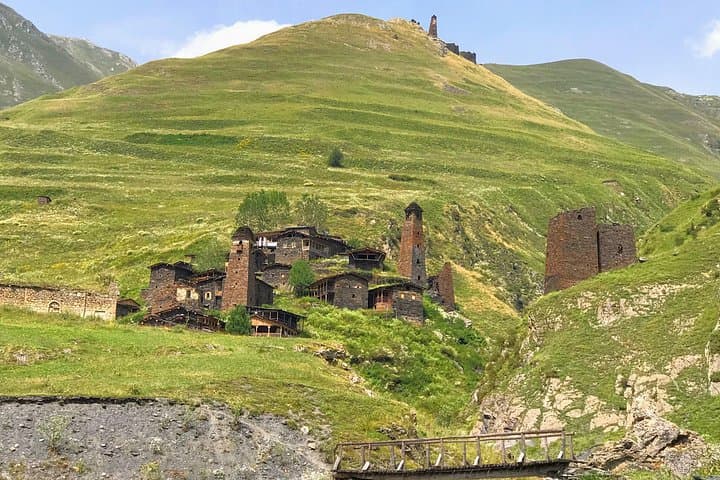
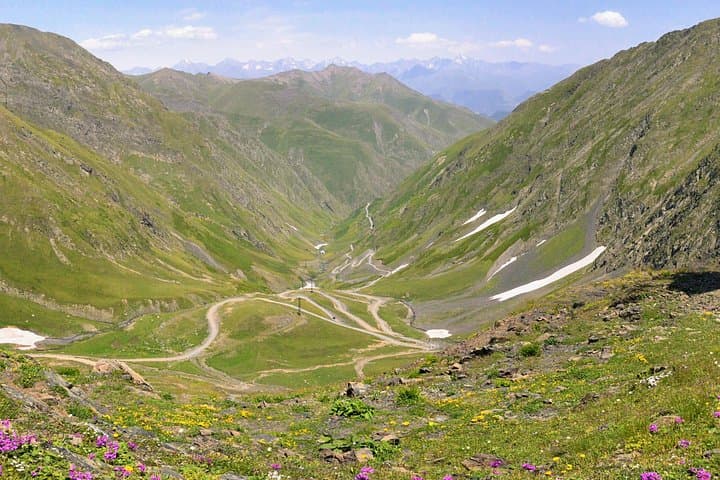
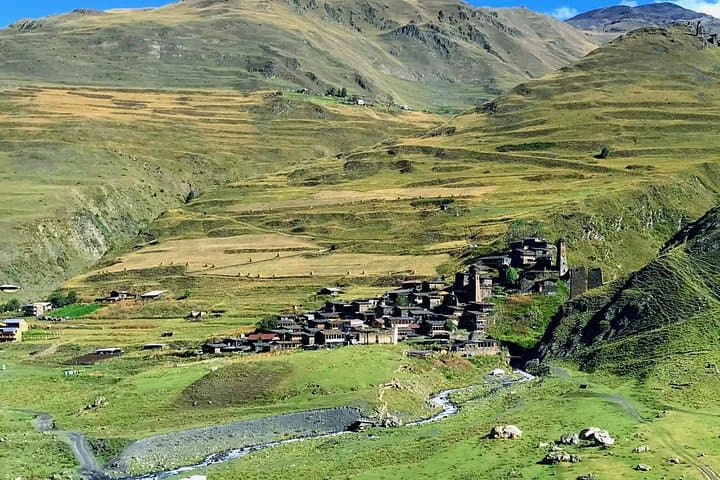
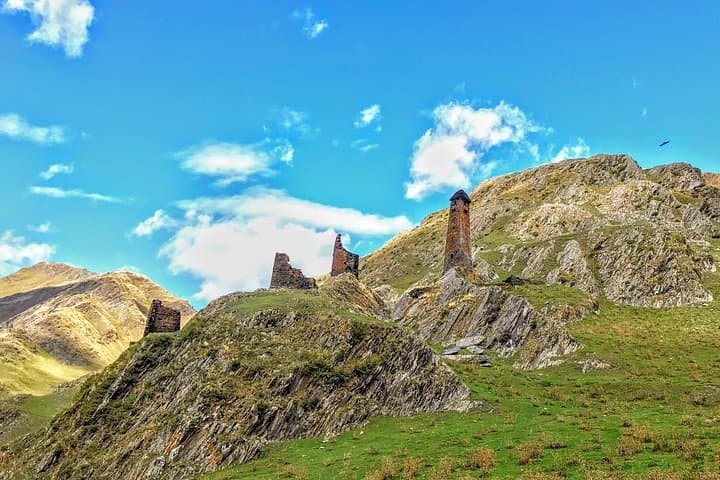
The Delica grinds upward, tires tracing a ragged line where road gives way to scree; clouds hug the ridges and the air tastes like metal and wet grass. By mid-afternoon you crest a pass and Tusheti spills below—dry stone towers, scattered huts, and pastures where sheep appear as moving islands. The landscape here is blunt and candid: granite ribs, slate shelves, and alpine meadows that dare you to step off the vehicle and walk.
The Delica grinds upward, tires tracing a ragged line where road gives way to scree; clouds hug the ridges and the air tastes like metal and wet grass. By mid-afternoon you crest a pass and Tusheti spills below—dry stone towers, scattered huts, and pastures where sheep appear as moving islands. The landscape here is blunt and candid: granite ribs, slate shelves, and alpine meadows that dare you to step off the vehicle and walk.
Tusheti sits on the northeastern flank of the Greater Caucasus and was long isolated by winter snows. Its stone towers and fortified villages date to medieval clan life; the Abano and Gombori passes once threaded trade and seasonal migration across these mountains. Geology is raw—folded limestone and shale create natural terraces and steep gullies, while glacial action carved broad valleys and cirques.
Culturally, the region remains conservative and clan-oriented; visitors meet shepherds, sample simple highland cuisine, and sleep in guesthouses where electricity and hot water can be limited. Cell coverage is sparse, which is part of the appeal: the mountains set the schedule.
Practical guidance: this is a short, rugged multi-day 4x4 tour best booked June–September. Expect high altitudes (1,800–2,900 m), bumpy roads, and sudden weather shifts—warm sun can flip to sleet in an hour. Bring waterproof outer layers, solid hiking boots, and altitude-aware pacing. Tipping and cash-based purchases are common; leave no trace and ask permission before photographing people. With reasonable fitness and flexibility, the trip rewards with remote villages, sweeping views, and a clear sense of place that few other routes still afford.