THE ADVENTURE COLLECTIVE® · Independent discovery and booking for outdoor travel

Three days across East Java: plunge into Tumpaksewu’s waterfall, watch Bromo’s sunrise from Penanjakan, then trek Ijen at night for the blue fire. This compact itinerary mixes rugged hiking, volcanic vistas and cultural encounters for travelers with moderate fitness.
Three days across East Java: plunge into Tumpaksewu’s waterfall, watch Bromo’s sunrise from Penanjakan, then trek Ijen at night for the blue fire. This compact itinerary mixes rugged hiking, volcanic vistas and cultural encounters for travelers with moderate fitness.
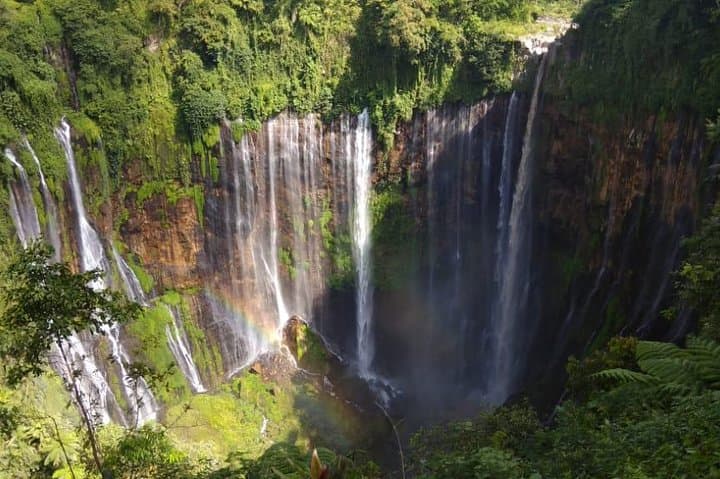
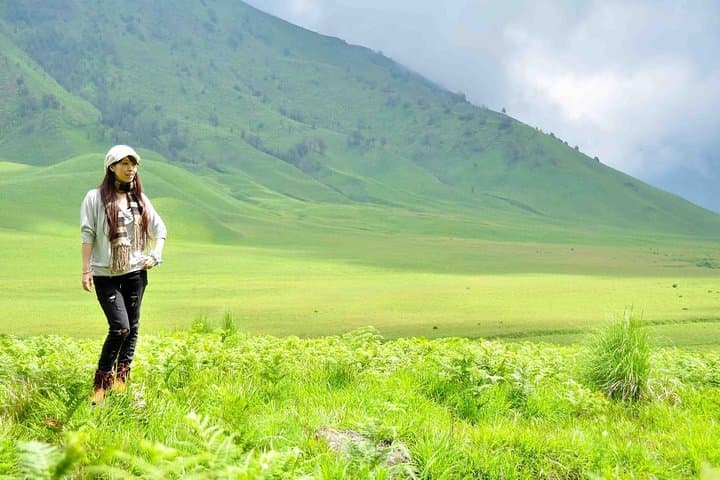
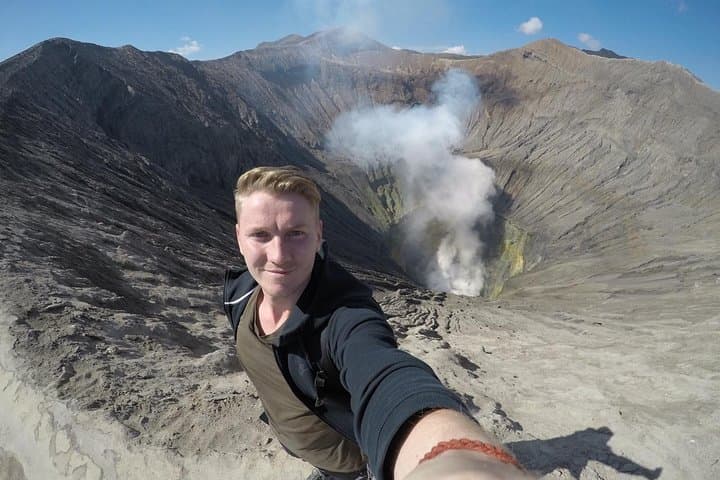
You arrive before dawn to the low clouds that sit like a cool breath over East Java. Bamboo stairs drop into the gorge at Tumpaksewu and a ribbon of water dares you closer; later a 4WD punches across Bromo’s ashy plain while Penanjakan’s cliffbrood slopes open to a sunrise that scrolls color across the caldera. The final night’s ascent to Ijen is a different kind of dark—headlamps, sulfur-scented air and the otherworldly blue flame clinging to a crater lip.
Verified experiences and guided adventures in the surrounding area.
Operated by The Java Tour · Malang, East Java
You arrive before dawn to the low clouds that sit like a cool breath over East Java. Bamboo stairs drop into the gorge at Tumpaksewu and a ribbon of water dares you closer; later a 4WD punches across Bromo’s ashy plain while Penanjakan’s cliffbrood slopes open to a sunrise that scrolls color across the caldera. The final night’s ascent to Ijen is a different kind of dark—headlamps, sulfur-scented air and the otherworldly blue flame clinging to a crater lip.
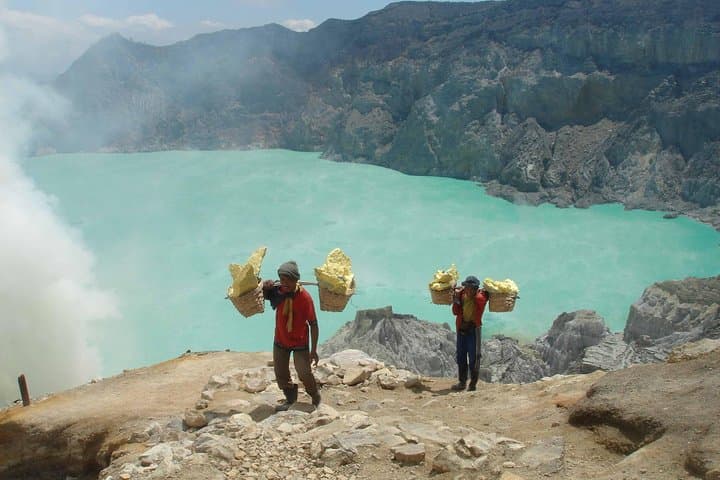
This three-day route threads geology and culture: Tumpaksewu’s layered cliffs and plunge pools form where volcanic lava met river erosion; Bromo sits inside the Tengger caldera, a landscape shaped by repeated eruptions and Hindu Tenggerese communities who still hold annual offerings on its Sea of Sand. Ijen’s acid crater is famous for its sulfur mining and the rare blue fire created when sulfur gases ignite in low oxygen.
Expect multi-hour walks on uneven, often steep trails, bamboo steps and volcanic scree; local rangers guide waterfall and crater segments and drivers handle night transfers in 4WD jeeps. Weather shifts fast—cold at dawn, humid at waterfalls—so layer. Bring a good headlamp, sturdy anti-slip footwear, and a mask for Ijen’s sulfur fumes. Plan for early starts, communal breakfasts, and simple lodging—hostel and hotel nights are included. Respect local customs at sacred sites, follow ranger instructions on crater access, and leave no trace: these landscapes recover slowly from foot and fuel traffic.
moderate.
3 days.
Moderate fitness—comfortable with repeated 2–4 hour hikes, stair descents and uphill walks at altitude and on scree.
The Ijen trek is about 4 km one-way with a steady grade; allow 1.5–2.5 hours uphill depending on pace and fitness.
Blue fire appears only when sulfur gases ignite and is weather- and wind-dependent; clear, calm nights increase your chances but it’s never guaranteed.
Local rangers typically guide or monitor access at Tumpaksewu and Ijen; the tour includes local trekking rangers and entrance fees.
Not recommended for travelers with spinal, heart issues, or pregnancy due to night transfers, steep trails and sulfur exposure.
The Tenggerese people maintain Hindu rituals around Bromo; Ijen’s rim has a long history of small-scale sulfur mining dating to colonial times.
These volcanic ecosystems are fragile—stick to marked trails, pack out waste, and minimize smoke or open-fire gear; support local guides to ensure sustainable tourism benefits communities.
The Java Tour operates guided outdoor trips and adventures with an emphasis on safety, stewardship, and memorable experiences.
You arrive before dawn to the low clouds that sit like a cool breath over East Java. Bamboo stairs drop into the gorge at Tumpaksewu and a ribbon of water dares you closer; later a 4WD punches across Bromo’s ashy plain while Penanjakan’s cliffbrood slopes open to a sunrise that scrolls color across the caldera. The final night’s ascent to Ijen is a different kind of dark—headlamps, sulfur-scented air and the otherworldly blue flame clinging to a crater lip.
You arrive before dawn to the low clouds that sit like a cool breath over East Java. Bamboo stairs drop into the gorge at Tumpaksewu and a ribbon of water dares you closer; later a 4WD punches across Bromo’s ashy plain while Penanjakan’s cliffbrood slopes open to a sunrise that scrolls color across the caldera. The final night’s ascent to Ijen is a different kind of dark—headlamps, sulfur-scented air and the otherworldly blue flame clinging to a crater lip.
This three-day route threads geology and culture: Tumpaksewu’s layered cliffs and plunge pools form where volcanic lava met river erosion; Bromo sits inside the Tengger caldera, a landscape shaped by repeated eruptions and Hindu Tenggerese communities who still hold annual offerings on its Sea of Sand. Ijen’s acid crater is famous for its sulfur mining and the rare blue fire created when sulfur gases ignite in low oxygen.
Expect multi-hour walks on uneven, often steep trails, bamboo steps and volcanic scree; local rangers guide waterfall and crater segments and drivers handle night transfers in 4WD jeeps. Weather shifts fast—cold at dawn, humid at waterfalls—so layer. Bring a good headlamp, sturdy anti-slip footwear, and a mask for Ijen’s sulfur fumes. Plan for early starts, communal breakfasts, and simple lodging—hostel and hotel nights are included. Respect local customs at sacred sites, follow ranger instructions on crater access, and leave no trace: these landscapes recover slowly from foot and fuel traffic.