THE ADVENTURE COLLECTIVE® · Independent discovery and booking for outdoor travel

Spend three days moving between the sun-scorched plains of Tsavo East and the lava-sculpted hills of Tsavo West. This compact safari maximizes morning and evening drives for high chances of Big Five sightings, Mzima Springs visits, and dramatic volcanic scenery.
Spend three days moving between the sun-scorched plains of Tsavo East and the lava-sculpted hills of Tsavo West. This compact safari maximizes morning and evening drives for high chances of Big Five sightings, Mzima Springs visits, and dramatic volcanic scenery.
Red dust lifts off the track as the Land Cruiser crosses the open plains and a lone elephant trunk rises above the acacia—this is Tsavo in motion. Over three days you move between two contrasting halves: the wide, sun-baked plains of Tsavo East and the basalt hills, springs and lava fields of Tsavo West, where hippos wallow and vultures circle over rocky ridges.
Verified experiences and guided adventures in the surrounding area.
Red dust lifts off the track as the Land Cruiser crosses the open plains and a lone elephant trunk rises above the acacia—this is Tsavo in motion. Over three days you move between two contrasting halves: the wide, sun-baked plains of Tsavo East and the basalt hills, springs and lava fields of Tsavo West, where hippos wallow and vultures circle over rocky ridges.
Tsavo is one of Kenya’s largest protected areas, covering more than 20,000 km² and shaped by ancient lava flows, seasonal rivers, and the Indian Ocean’s monsoons. The West is geologically dramatic—look for Shetani Lava Flow and Mzima Springs—while the East opens into red-soil savanna where large herds and classic big-cat country show up at dawn. The region’s human history is tied to the railway and local Taita and Kamba communities; the 1898–1900 railway construction era and the famed “man-eaters of Tsavo” are part of its storied past.
Practically, expect early-morning and late-afternoon game drives in a 4x4 safari vehicle, limited walking, and long distances between water and shade. Roads range from tarmac to seasonal dirt; a high-clearance vehicle is required. Bring binoculars, sun protection, malaria prevention, and layered clothing for cool mornings. Lodge or camp nights usually include guided drives—plan for long windows of wildlife viewing, intermittent cell service, and park entry fees. Hydrate, carry cash for local purchases, and book transfers from Mombasa or Voi in advance. Three days here is a compact, wildlife-focused loop—optimizing drive times yields the best chance to see elephant, lion, buffalo, rhino, and leopard across two very different ecosystems.
moderate.
3 days.
Light to moderate fitness—mostly vehicle-based with short walks; be prepared for bumpy rides and early starts.
Tsavo’s size makes sightings variable, but three focused game-drive days—especially early mornings and late afternoons—offer a good chance to see elephant, lion, buffalo, and often leopard; rhino sightings are rarer but possible.
Routine vaccinations are advised; malaria prophylaxis is recommended and you should carry insect repellent. Check current health guidance before travel.
Many internal roads are rough and seasonal—4x4 vehicles are recommended and often required by tour operators.
Yes—day trips from Mombasa or Voi are possible, but staying inside or closer to the parks reduces driving time and increases wildlife-viewing opportunities.
Tsavo’s modern history includes railway construction in the late 19th century and the early-20th-century man-eater stories; the parks were later set aside to protect large, contiguous savanna and volcanic landscapes.
Park management balances tourism with anti-poaching patrols and community programs; visitors can support conservation by using licensed guides and respecting park rules.
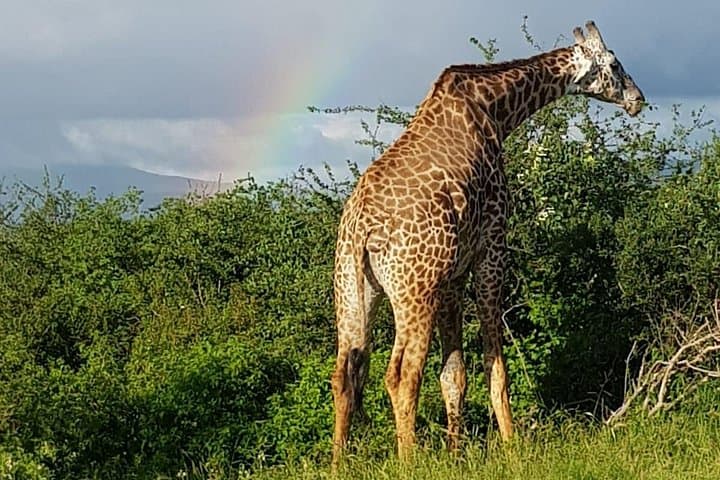
Red dust lifts off the track as the Land Cruiser crosses the open plains and a lone elephant trunk rises above the acacia—this is Tsavo in motion. Over three days you move between two contrasting halves: the wide, sun-baked plains of Tsavo East and the basalt hills, springs and lava fields of Tsavo West, where hippos wallow and vultures circle over rocky ridges.
Red dust lifts off the track as the Land Cruiser crosses the open plains and a lone elephant trunk rises above the acacia—this is Tsavo in motion. Over three days you move between two contrasting halves: the wide, sun-baked plains of Tsavo East and the basalt hills, springs and lava fields of Tsavo West, where hippos wallow and vultures circle over rocky ridges.
Tsavo is one of Kenya’s largest protected areas, covering more than 20,000 km² and shaped by ancient lava flows, seasonal rivers, and the Indian Ocean’s monsoons. The West is geologically dramatic—look for Shetani Lava Flow and Mzima Springs—while the East opens into red-soil savanna where large herds and classic big-cat country show up at dawn. The region’s human history is tied to the railway and local Taita and Kamba communities; the 1898–1900 railway construction era and the famed “man-eaters of Tsavo” are part of its storied past.
Practically, expect early-morning and late-afternoon game drives in a 4x4 safari vehicle, limited walking, and long distances between water and shade. Roads range from tarmac to seasonal dirt; a high-clearance vehicle is required. Bring binoculars, sun protection, malaria prevention, and layered clothing for cool mornings. Lodge or camp nights usually include guided drives—plan for long windows of wildlife viewing, intermittent cell service, and park entry fees. Hydrate, carry cash for local purchases, and book transfers from Mombasa or Voi in advance. Three days here is a compact, wildlife-focused loop—optimizing drive times yields the best chance to see elephant, lion, buffalo, rhino, and leopard across two very different ecosystems.