THE ADVENTURE COLLECTIVE® · Independent discovery and booking for outdoor travel

Three days inside Tsavo East move at the pace of light and wildlife: red-dust game drives, early-morning sightings, and a coastal return with a stop at Mzima Springs. This guide outlines what to expect, when to go, and how to prepare for big-game viewing in one of Kenya’s largest parks.
Three days inside Tsavo East move at the pace of light and wildlife: red-dust game drives, early-morning sightings, and a coastal return with a stop at Mzima Springs. This guide outlines what to expect, when to go, and how to prepare for big-game viewing in one of Kenya’s largest parks.
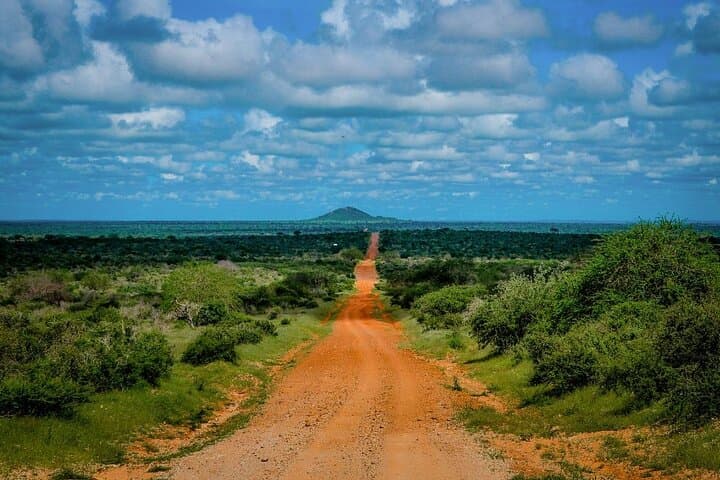
A low sun slices across broad, rust-colored plains as a 4x4 kicks up the park’s signature red dust — Tsavo East announces itself before the binoculars are even lifted. Over three days visitors move with the light: an afternoon arrival that teases lion silhouettes, a full day of layered drives across open savannah, and an early-morning final sweep before returning toward the coast.
Verified experiences and guided adventures in the surrounding area.
Operated by Africa Vacation Safaris · Voi, Taita-Taveta County
A low sun slices across broad, rust-colored plains as a 4x4 kicks up the park’s signature red dust — Tsavo East announces itself before the binoculars are even lifted. Over three days visitors move with the light: an afternoon arrival that teases lion silhouettes, a full day of layered drives across open savannah, and an early-morning final sweep before returning toward the coast.
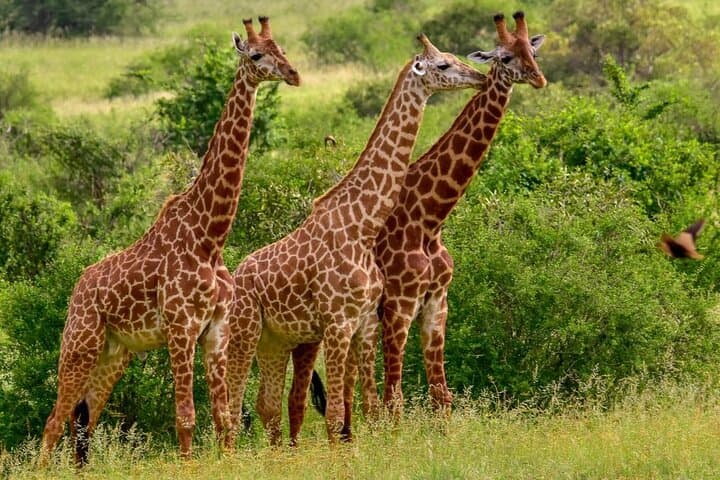
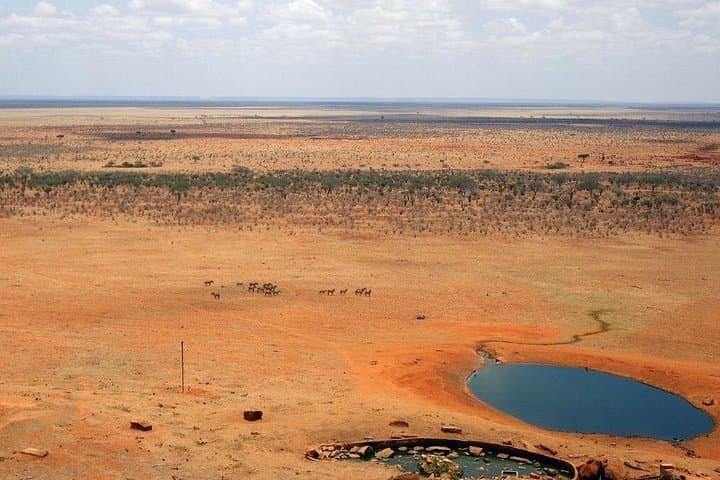
Tsavo’s landscape is shaped by volcanic lava flows and long weathered soils; the park’s wide basins and seasonal rivers support large herds of elephant, giraffe, zebra and the occasional pride of lion. Human history here is equally stark — the area grew into national-park status during the colonial era and is remembered for the 1898 man-eating lions that attacked railway workers. Today local communities — including Kamba and Maasai peoples — live on the margins, and small conservancies work with park authorities to reduce conflict and poaching.
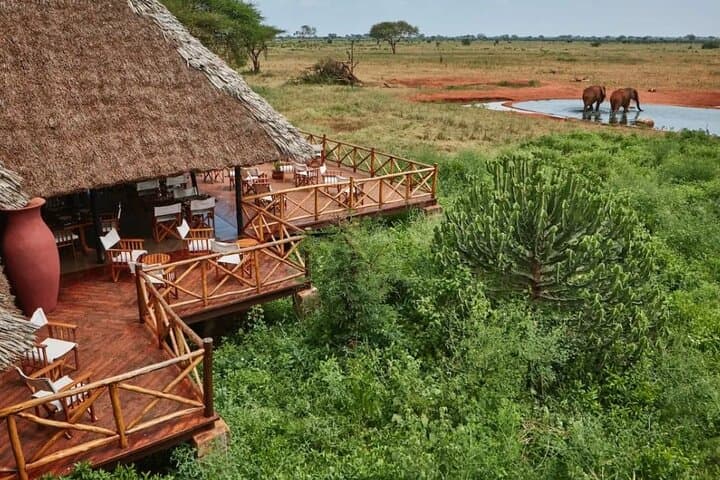
Practical rhythms drive the trip. Expect bumpy roads and long sightlines, game drives timed for dawn and dusk when animals are active, and lodge-based overnighting (Ngutuni or similar) with meals included. Guides provide interpretation and navigate vehicle tracks; bring layered clothing for cold mornings, reliable sun protection, and a camera with a zoom lens.
Plan around seasonal rains (March–May, Oct–Dec) that can slow travel; dry months give the best viewing. Hydration, respect for wildlife distances, and patience reward visitors with close elephant encounters and the stillness of a park that often feels larger than it looks on a map.
easy.
3 days (approx. 72 hours).
Suitable for most fitness levels; requires ability to enter and exit a 4x4 and tolerate long drives.
Travel from Mombasa to Tsavo East typically takes 3–4 hours by road depending on traffic and stops en route.
The itinerary includes Tsavo East entrance fees and meals as noted (full board at the lodge for nights included).
The tour is family-friendly but infants are required to sit on an adult’s lap; discuss ages and expectations with your operator prior to booking.
Tsavo East commonly hosts large elephant herds, giraffes, zebras, buffalo, and lions; sightings depend on season and luck.
Tsavo’s modern history is linked to the colonial-era Uganda Railway and the 1898 man-eating lions; the park was set aside as part of early conservation efforts in Kenya.
Community conservancies and park patrols work to reduce poaching and mitigate human–wildlife conflict; responsible tourism helps fund anti-poaching and local projects.
Africa Vacation Safaris operates guided outdoor trips and adventures with an emphasis on safety, stewardship, and memorable experiences.
A low sun slices across broad, rust-colored plains as a 4x4 kicks up the park’s signature red dust — Tsavo East announces itself before the binoculars are even lifted. Over three days visitors move with the light: an afternoon arrival that teases lion silhouettes, a full day of layered drives across open savannah, and an early-morning final sweep before returning toward the coast.
A low sun slices across broad, rust-colored plains as a 4x4 kicks up the park’s signature red dust — Tsavo East announces itself before the binoculars are even lifted. Over three days visitors move with the light: an afternoon arrival that teases lion silhouettes, a full day of layered drives across open savannah, and an early-morning final sweep before returning toward the coast.
Tsavo’s landscape is shaped by volcanic lava flows and long weathered soils; the park’s wide basins and seasonal rivers support large herds of elephant, giraffe, zebra and the occasional pride of lion. Human history here is equally stark — the area grew into national-park status during the colonial era and is remembered for the 1898 man-eating lions that attacked railway workers. Today local communities — including Kamba and Maasai peoples — live on the margins, and small conservancies work with park authorities to reduce conflict and poaching.
Practical rhythms drive the trip. Expect bumpy roads and long sightlines, game drives timed for dawn and dusk when animals are active, and lodge-based overnighting (Ngutuni or similar) with meals included. Guides provide interpretation and navigate vehicle tracks; bring layered clothing for cold mornings, reliable sun protection, and a camera with a zoom lens.
Plan around seasonal rains (March–May, Oct–Dec) that can slow travel; dry months give the best viewing. Hydration, respect for wildlife distances, and patience reward visitors with close elephant encounters and the stillness of a park that often feels larger than it looks on a map.