THE ADVENTURE COLLECTIVE® · Independent discovery and booking for outdoor travel

A compact three-day trek from Imlil through Tinzert and the Azzaden Valley, this route pairs approachable mountain walking with authentic Berber village stays. Expect moderate days, high passes, and walnut-grove streamside scenery.
A compact three-day trek from Imlil through Tinzert and the Azzaden Valley, this route pairs approachable mountain walking with authentic Berber village stays. Expect moderate days, high passes, and walnut-grove streamside scenery.
Morning light slices across the High Atlas as you step off the road at Imi Oughlad and the valley immediately pulls you into its rhythm. Juniper-scented slopes lead past terraced fields and copper-streaked soil; mules and guides fall into an easy cadence while the mountains keep their slow, attentive watch.
Verified experiences and guided adventures in the surrounding area.
Operated by Atlas Mountains Guided Tour · Imlil, Marrakech-Safi
Morning light slices across the High Atlas as you step off the road at Imi Oughlad and the valley immediately pulls you into its rhythm. Juniper-scented slopes lead past terraced fields and copper-streaked soil; mules and guides fall into an easy cadence while the mountains keep their slow, attentive watch.
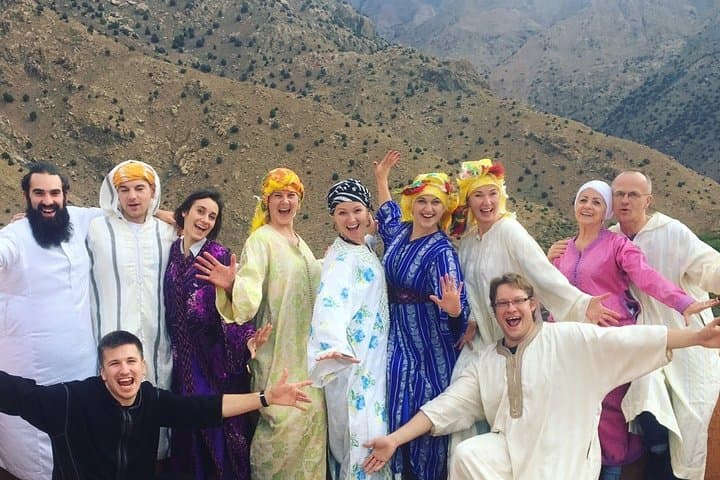
This three-day route threads Imlil, Tinzert and the Azzaden Valley—areas shaped by glacial carving and river incision that expose red and grey volcanic beds. The villages are inhabited by Amazigh (Berber) families whose farming and walnut groves have shaped the terraces for generations; local guest houses and comedor-style meals offer a direct line into that daily life.
Expect moderate ascents and descents on stone and dirt tracks, with a high point at Tizi n Mzik (~2,489 m) where sweeping views open toward Toubkal’s ridgeline. Streams demand careful crossings in spring melt; in summer the river’s voice softens but the sun intensifies. Nights are simple—gites or family homes—and the pace is conversational rather than rushed, designed for acclimatization and cultural exchange.
Practical notes: carry layered clothing, waterproof shell, and steady footwear—stone steps and slick slopes favor ankle support. Hydrate regularly; a refillable water system and snacks are essential between village stops. Mules carry baggage, but be prepared to walk 4–6 hours most days at a moderate pace. Book through a local operator to ensure licensed guides and fair compensation for muleteers—small choices help keep these valleys resilient for the long term.
moderate.
3 days.
Suitable for people with regular walking fitness; be comfortable with sustained uphill sections of several hours.
Yes—routes are described as easy to medium and can be shortened or replaced by mule transport; however participants should have basic walking fitness.
Overnights are in local gites or family guest houses; expect simple rooms, shared facilities, and home-cooked meals using local ingredients.
No—mules carry baggage and food; you should carry a daypack with water, layers and personal items.
Yes—local guides are provided and recommended for navigation, cultural access, and supporting local economy.
The High Atlas is home to Amazigh (Berber) communities whose farming terraces and irrigation systems date back centuries and reflect seasonal transhumance patterns.
Water is scarce in summer and trails are sensitive—travelers should pack out waste, use refillable bottles, and hire local guides to ensure benefits stay in the community.
Atlas Mountains Guided Tour operates guided outdoor trips and adventures with an emphasis on safety, stewardship, and memorable experiences.
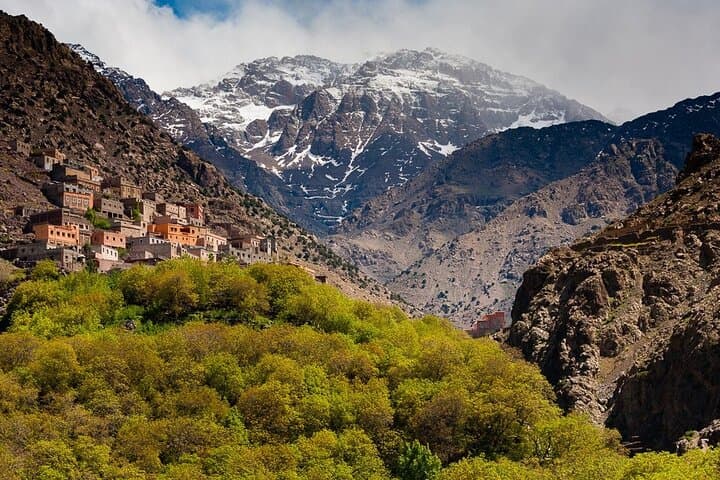
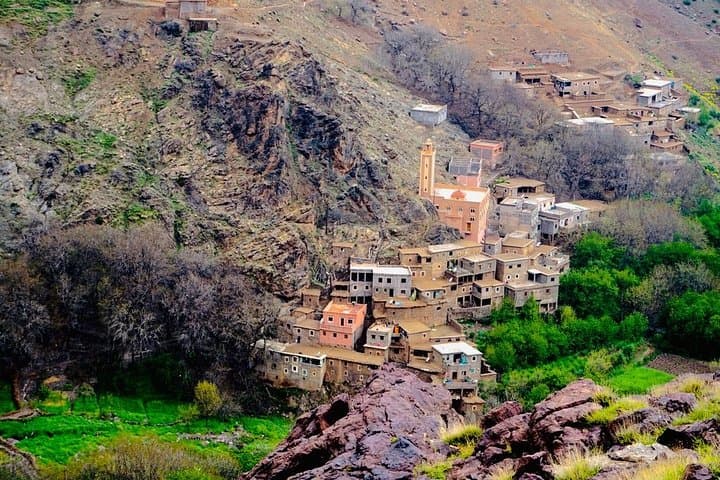
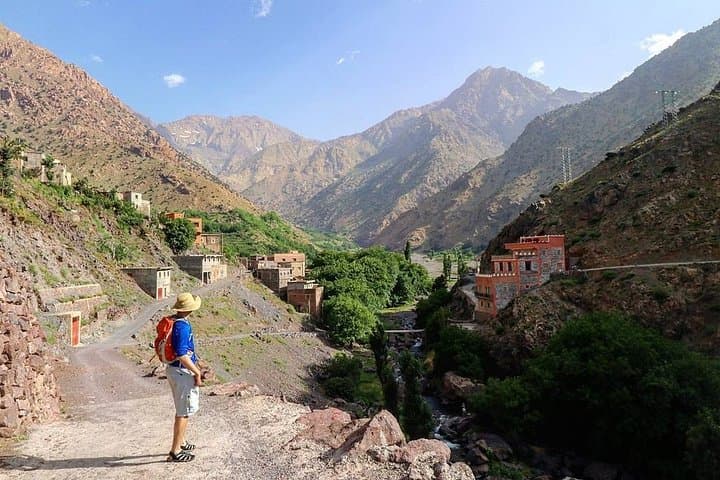
Morning light slices across the High Atlas as you step off the road at Imi Oughlad and the valley immediately pulls you into its rhythm. Juniper-scented slopes lead past terraced fields and copper-streaked soil; mules and guides fall into an easy cadence while the mountains keep their slow, attentive watch.
Morning light slices across the High Atlas as you step off the road at Imi Oughlad and the valley immediately pulls you into its rhythm. Juniper-scented slopes lead past terraced fields and copper-streaked soil; mules and guides fall into an easy cadence while the mountains keep their slow, attentive watch.
This three-day route threads Imlil, Tinzert and the Azzaden Valley—areas shaped by glacial carving and river incision that expose red and grey volcanic beds. The villages are inhabited by Amazigh (Berber) families whose farming and walnut groves have shaped the terraces for generations; local guest houses and comedor-style meals offer a direct line into that daily life.
Expect moderate ascents and descents on stone and dirt tracks, with a high point at Tizi n Mzik (~2,489 m) where sweeping views open toward Toubkal’s ridgeline. Streams demand careful crossings in spring melt; in summer the river’s voice softens but the sun intensifies. Nights are simple—gites or family homes—and the pace is conversational rather than rushed, designed for acclimatization and cultural exchange.
Practical notes: carry layered clothing, waterproof shell, and steady footwear—stone steps and slick slopes favor ankle support. Hydrate regularly; a refillable water system and snacks are essential between village stops. Mules carry baggage, but be prepared to walk 4–6 hours most days at a moderate pace. Book through a local operator to ensure licensed guides and fair compensation for muleteers—small choices help keep these valleys resilient for the long term.