THE ADVENTURE COLLECTIVE® · Independent discovery and booking for outdoor travel

Drive into the Carpathians from Bucharest to visit Peleș and Bran Castles, medieval citadels in Sighişoara and Sibiu, and historic Saxon villages across three paced days. This private, guided tour covers key Transylvanian landmarks with curated logistics and local context.
Drive into the Carpathians from Bucharest to visit Peleș and Bran Castles, medieval citadels in Sighişoara and Sibiu, and historic Saxon villages across three paced days. This private, guided tour covers key Transylvanian landmarks with curated logistics and local context.
You step away from Bucharest’s broad boulevards and, within an hour, the city’s hum thins into the steady rhythm of mountain road. The Carpathians rise like a lived-in story: pine-cloaked slopes, stone villages clinging to ridgelines, and valley towns where church bells mark market hours.
Verified experiences and guided adventures in the surrounding area.
Operated by Boutique Romania · Bucharest, Bucharest
You step away from Bucharest’s broad boulevards and, within an hour, the city’s hum thins into the steady rhythm of mountain road. The Carpathians rise like a lived-in story: pine-cloaked slopes, stone villages clinging to ridgelines, and valley towns where church bells mark market hours.
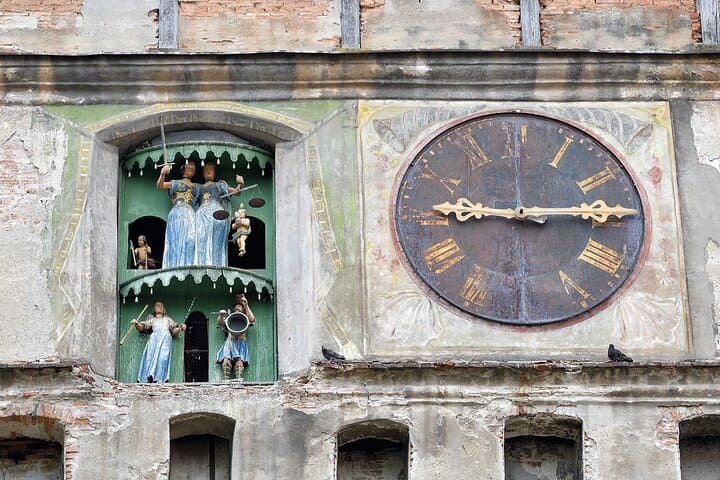
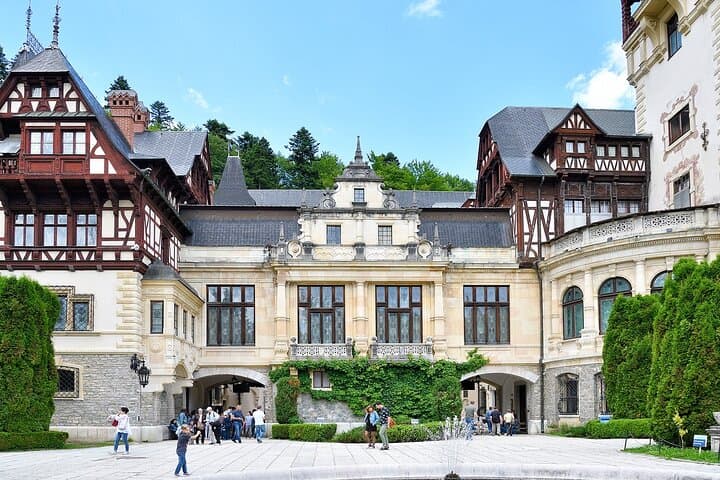
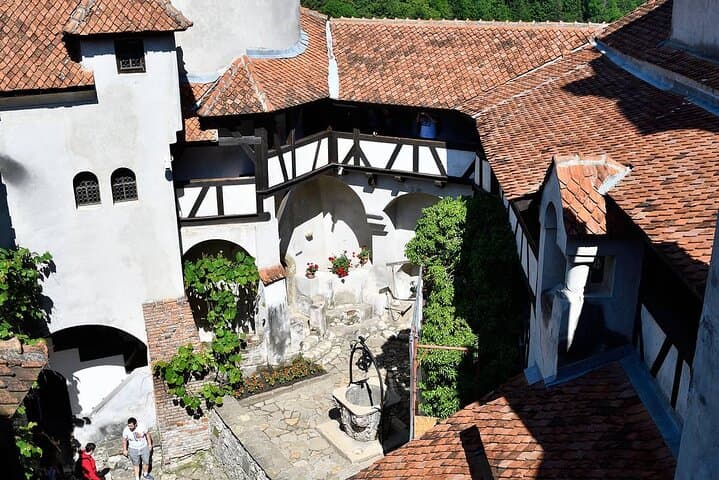
The route threads history and geology. Peleș Castle in Sinaia is late-19th-century elegance set against older volcanic and sedimentary ranges that shaped Transylvania’s folded ridges. Bran Castle—often miscast in Dracula lore—sits on a medieval trade chokepoint where stone foundations replace wooden fortifications razed by invaders in the 13th century. Sighişoara and Sibiu preserve Saxon-built walls and guild houses; their cobblestones recall medieval commerce and the region’s Germanic and Romanian cultural layers.
Beyond architecture, the landscape narrates human movement: Roman roads, medieval trade passes, and the modern Transfăgărășan, which cleaves alpine pastures and glacial lakes when open. Local villages serve home-cooked food—cabbage, smoked pork, and sour cream stews—and craftsmen still practice traditional woodworking.
Practical guidance: travel comfortably in a compact, Euro 6 vehicle with an experienced guide who handles logistics. Expect moderate walking on uneven cobbles and stairs (Sighişoara’s Covered Staircase has 180 steps). Bring a daypack with water, layers for variable mountain weather, and closed shoes for castle tours. If you visit July–September, the Transfăgărășan may be open; outside that window, the Olt Valley offers a lower-altitude alternative. Allow extra time for narrow mountain roads and photo stops—this trip is paced for sightseeing, not racing. With basic fitness and sensible gear, the tour is an efficient way to see Transylvania’s layered past and rugged present.
moderate.
3 days (approx. 72 hours).
Should be comfortable walking 1–3 miles per day on uneven surfaces and stairs; general mobility required
Some visits do not include admission—check the tour inclusions and budget for entrance fees at Peleș or Bran if not covered.
Only in summer months (typically July–September) when the road is open; otherwise the guide follows the scenic Olt Valley route.
Expect moderate walking at historical sites: cobblestone streets, castle stairs, and short hill climbs—most stops last 60–120 minutes.
The itinerary handles accommodations and transport; meals are generally not all-included—your guide will suggest local restaurants and regional dishes to try.
Transylvania’s towns reflect layered rule—from Dacian and Roman routes to Saxon settlers and Austro-Hungarian administration—creating a patchwork of architecture and customs.
Visitor pressure is concentrated at major sites; favor local guides, avoid off-trail wandering around fragile ruins, and support small businesses to distribute tourism benefits.
Boutique Romania operates guided outdoor trips and adventures with an emphasis on safety, stewardship, and memorable experiences.
You step away from Bucharest’s broad boulevards and, within an hour, the city’s hum thins into the steady rhythm of mountain road. The Carpathians rise like a lived-in story: pine-cloaked slopes, stone villages clinging to ridgelines, and valley towns where church bells mark market hours.
You step away from Bucharest’s broad boulevards and, within an hour, the city’s hum thins into the steady rhythm of mountain road. The Carpathians rise like a lived-in story: pine-cloaked slopes, stone villages clinging to ridgelines, and valley towns where church bells mark market hours.
The route threads history and geology. Peleș Castle in Sinaia is late-19th-century elegance set against older volcanic and sedimentary ranges that shaped Transylvania’s folded ridges. Bran Castle—often miscast in Dracula lore—sits on a medieval trade chokepoint where stone foundations replace wooden fortifications razed by invaders in the 13th century. Sighişoara and Sibiu preserve Saxon-built walls and guild houses; their cobblestones recall medieval commerce and the region’s Germanic and Romanian cultural layers.
Beyond architecture, the landscape narrates human movement: Roman roads, medieval trade passes, and the modern Transfăgărășan, which cleaves alpine pastures and glacial lakes when open. Local villages serve home-cooked food—cabbage, smoked pork, and sour cream stews—and craftsmen still practice traditional woodworking.
Practical guidance: travel comfortably in a compact, Euro 6 vehicle with an experienced guide who handles logistics. Expect moderate walking on uneven cobbles and stairs (Sighişoara’s Covered Staircase has 180 steps). Bring a daypack with water, layers for variable mountain weather, and closed shoes for castle tours. If you visit July–September, the Transfăgărășan may be open; outside that window, the Olt Valley offers a lower-altitude alternative. Allow extra time for narrow mountain roads and photo stops—this trip is paced for sightseeing, not racing. With basic fitness and sensible gear, the tour is an efficient way to see Transylvania’s layered past and rugged present.