THE ADVENTURE COLLECTIVE® · Independent discovery and booking for outdoor travel

A compact, guided three-day circuit from Bucharest that pairs Transylvania’s landmark castles with mountain hiking and bear observation. Expect historic sites, glacier-lake panoramas, and practical mountain logistics for moderate hikers.
A compact, guided three-day circuit from Bucharest that pairs Transylvania’s landmark castles with mountain hiking and bear observation. Expect historic sites, glacier-lake panoramas, and practical mountain logistics for moderate hikers.
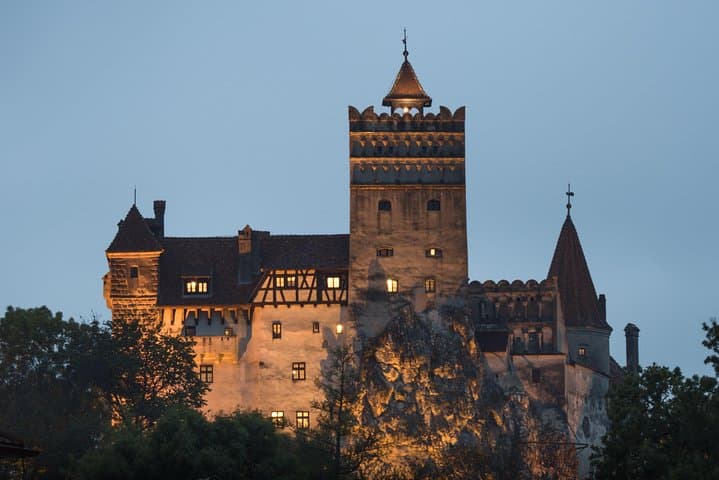
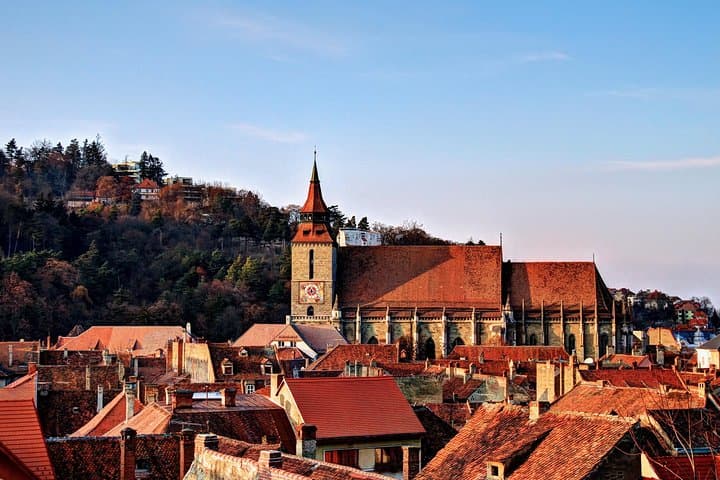
You step out of the minivan as the road bends and the Carpathian foothills push up into jagged ridges. Morning mist clings to spruce and beech; a red-tiled roof peeks over a ridge — Bran Castle rising from rock like an old story returned to life. Over three days you move between stone and forest: imperial Peles Palace’s ornate terraces, the medieval alleys of Brașov, high pastures of the Piatra Craiului where the trail narrows, and the clear rim of Balea Lake above 2,000 meters.
Verified experiences and guided adventures in the surrounding area.
Operated by Rolandia · Bran, Brașov County
You step out of the minivan as the road bends and the Carpathian foothills push up into jagged ridges. Morning mist clings to spruce and beech; a red-tiled roof peeks over a ridge — Bran Castle rising from rock like an old story returned to life. Over three days you move between stone and forest: imperial Peles Palace’s ornate terraces, the medieval alleys of Brașov, high pastures of the Piatra Craiului where the trail narrows, and the clear rim of Balea Lake above 2,000 meters.
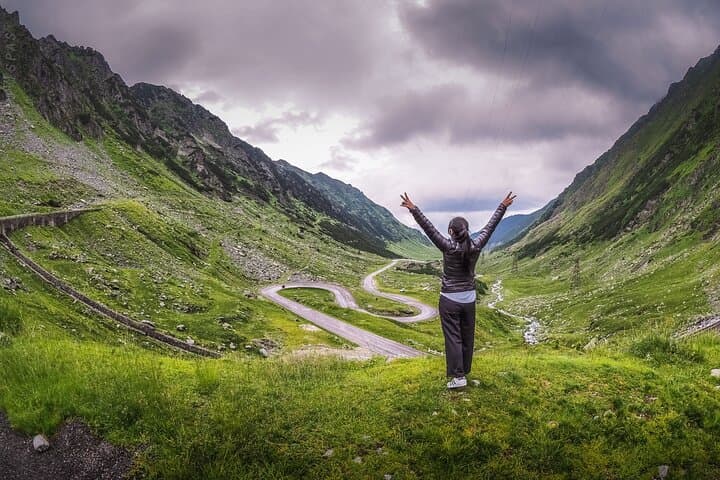
Transylvania wears history on its walls — Saxon fortifications, Romanian royal patronage, and centuries-old pastoral life still visible in small mountain villages. Geologically the Făgăraș and Piatra Craiului massifs are steep limestone and crystalline cores carved by glaciation; Balea is the region’s best-known glacier lake, reachable via the Transfăgărășan in summer or by cable car in the colder months.
Culturally this trip balances castles and churches with living rural traditions: cheese makers, horse-drawn carts, and a cave church at Sinca Veche that draws quiet pilgrimage. Wildlife frames the experience — keep an eye for brown bears and chamois on quiet ridge lines.
Practical guidance: come prepared for variable mountain weather, wear solid hiking boots and layers, and expect moderate uphill sections with loose scree on Piatra Craiului trails. Guides handle logistics and bear-watch observatory access; you should be comfortable with 3–5 km hikes and short elevation gains. Early starts and timing on the Transfăgărășan matter — plan summer travel for the open road and winter for the dramatic cable-car ascent to Balea.
moderate.
3 days.
Moderate fitness; comfortable with several short hikes (3–6 km) and some elevation gain on uneven terrain.
The tour departs from Bucharest with hotel pickup and returns to Bucharest on day three.
Hikes are moderate—usually 3–6 km over mixed terrain with some elevation gain; a moderate fitness level is recommended.
Yes—bear watching is conducted from an observatory with a local ranger; stay quiet, follow instructions, and maintain distance at all times.
Yes, but access differs: June–November you travel the Transfăgărășan by road; in winter the lake is reachable by cable car from Balea Waterfall and conditions can be snowy and cold.
Transylvania’s landscape reflects medieval Saxon towns, fortified churches, and Romanian royal influence—Peles was a 19th-century royal summer residence while Bran preserves medieval fortifications and mythic associations.
The region supports significant large-mammal populations; practice leave-no-trace, follow ranger guidance during wildlife viewing, and avoid disturbing pastures and forest understory.
Rolandia operates guided outdoor trips and adventures with an emphasis on safety, stewardship, and memorable experiences.
You step out of the minivan as the road bends and the Carpathian foothills push up into jagged ridges. Morning mist clings to spruce and beech; a red-tiled roof peeks over a ridge — Bran Castle rising from rock like an old story returned to life. Over three days you move between stone and forest: imperial Peles Palace’s ornate terraces, the medieval alleys of Brașov, high pastures of the Piatra Craiului where the trail narrows, and the clear rim of Balea Lake above 2,000 meters.
You step out of the minivan as the road bends and the Carpathian foothills push up into jagged ridges. Morning mist clings to spruce and beech; a red-tiled roof peeks over a ridge — Bran Castle rising from rock like an old story returned to life. Over three days you move between stone and forest: imperial Peles Palace’s ornate terraces, the medieval alleys of Brașov, high pastures of the Piatra Craiului where the trail narrows, and the clear rim of Balea Lake above 2,000 meters.
Transylvania wears history on its walls — Saxon fortifications, Romanian royal patronage, and centuries-old pastoral life still visible in small mountain villages. Geologically the Făgăraș and Piatra Craiului massifs are steep limestone and crystalline cores carved by glaciation; Balea is the region’s best-known glacier lake, reachable via the Transfăgărășan in summer or by cable car in the colder months.
Culturally this trip balances castles and churches with living rural traditions: cheese makers, horse-drawn carts, and a cave church at Sinca Veche that draws quiet pilgrimage. Wildlife frames the experience — keep an eye for brown bears and chamois on quiet ridge lines.
Practical guidance: come prepared for variable mountain weather, wear solid hiking boots and layers, and expect moderate uphill sections with loose scree on Piatra Craiului trails. Guides handle logistics and bear-watch observatory access; you should be comfortable with 3–5 km hikes and short elevation gains. Early starts and timing on the Transfăgărășan matter — plan summer travel for the open road and winter for the dramatic cable-car ascent to Balea.