THE ADVENTURE COLLECTIVE® · Independent discovery and booking for outdoor travel

Drive into the High Caucasus on a three-day circuit from Tbilisi to Mestia and Ushguli. Expect medieval towers, glacial valleys, an 8–10 hour mountain transfer, and short cultural walks with high-altitude views.
Drive into the High Caucasus on a three-day circuit from Tbilisi to Mestia and Ushguli. Expect medieval towers, glacial valleys, an 8–10 hour mountain transfer, and short cultural walks with high-altitude views.
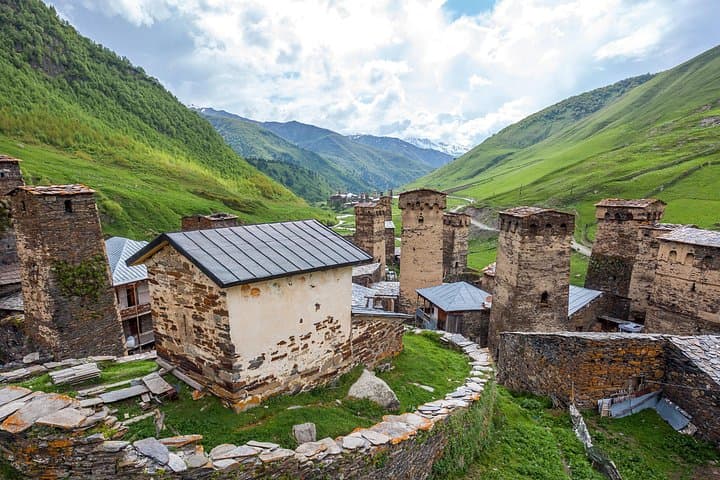
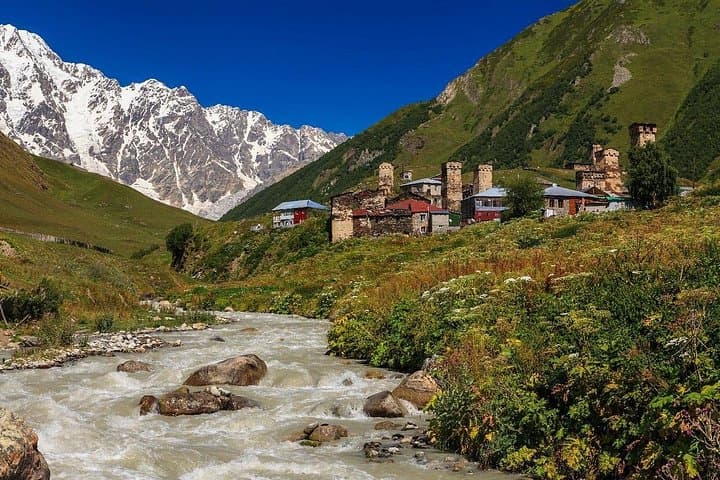
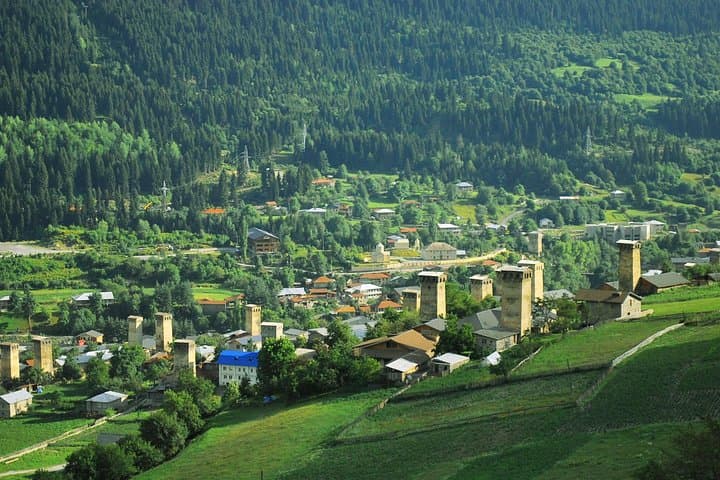
You roll out before dawn in Tbilisi, the city light shrinking behind you as the road climbs into the Caucasus. The engine hums; valleys widen and then narrow, and the mountains take a clearer silhouette against the sky. By afternoon the air is thinner, pines press close to the road, and the medieval stone towers of Mestia appear like stubborn guardians on the ridge.
Verified experiences and guided adventures in the surrounding area.
Operated by Georgia Tour Factory · Mestia, Samegrelo-Zemo Svaneti
You roll out before dawn in Tbilisi, the city light shrinking behind you as the road climbs into the Caucasus. The engine hums; valleys widen and then narrow, and the mountains take a clearer silhouette against the sky. By afternoon the air is thinner, pines press close to the road, and the medieval stone towers of Mestia appear like stubborn guardians on the ridge.
Svaneti is an upland archive: towers and churches from the 9th–10th centuries, layered over older glacial valleys carved from limestone and schist. The Enguri Dam—an engineering monolith at 271.5 m—breaks the route, then the drive pushes higher toward Ushguli, one of Europe’s highest continuously inhabited settlements (roughly 2,100–2,200 m). Geology here alternates between grassy moraine, scree slopes, and ice-fed streams; culture is equally raw, with families maintaining stone houses and ancient liturgical frescoes in tiny mountain churches.
Over three days expect long transfers (8–10 hours of driving across two days), short village walks, photo stops at Lamaria Church, and optional exploration of Martvili Canyon’s turquoise waters on the return. Weather changes fast; winds can flirt with exposed ridgelines and afternoons may bring showers.
Practical edge: pack warm layers, sturdy footwear, small cash for rural vendors, and be ready for off-road stretches in a 4x4. If you want shorter hikes, ask guides for lower-elevation options; if you crave alpine ridgelines, plan extra days. The trip is equal parts cultural archaeology and raw mountain travel—direct, revealing, and best prepared for.
easy.
3 days.
Suitable for most travelers who can handle long vehicle transfers and short to moderate village hikes at altitude
Yes—transfers are by vehicle and walking is optional; however, be prepared for long drives and higher altitude in Ushguli, and discuss mobility needs with the operator.
Yes—the itinerary notes the boat may not operate in bad weather and the operator can drive directly back to Tbilisi instead.
No—this tour is accessible for non-hikers, with light walking in villages; more ambitious hikes can be arranged but require fitness and proper gear.
You’ll ascend from Tbilisi’s low elevations up to Mestia (~1,500 m) and Ushguli (~2,100–2,200 m); short acclimatization and hydration are recommended.
Upper Svaneti’s stone defensive towers and medieval churches date from the early Middle Ages; the region is UNESCO-listed for its unique cultural landscape.
The alpine environment is fragile—minimize waste, avoid driving off marked tracks, and support locally run guesthouses to keep economic benefits in the community.
Georgia Tour Factory operates guided outdoor trips and adventures with an emphasis on safety, stewardship, and memorable experiences.
You roll out before dawn in Tbilisi, the city light shrinking behind you as the road climbs into the Caucasus. The engine hums; valleys widen and then narrow, and the mountains take a clearer silhouette against the sky. By afternoon the air is thinner, pines press close to the road, and the medieval stone towers of Mestia appear like stubborn guardians on the ridge.
You roll out before dawn in Tbilisi, the city light shrinking behind you as the road climbs into the Caucasus. The engine hums; valleys widen and then narrow, and the mountains take a clearer silhouette against the sky. By afternoon the air is thinner, pines press close to the road, and the medieval stone towers of Mestia appear like stubborn guardians on the ridge.
Svaneti is an upland archive: towers and churches from the 9th–10th centuries, layered over older glacial valleys carved from limestone and schist. The Enguri Dam—an engineering monolith at 271.5 m—breaks the route, then the drive pushes higher toward Ushguli, one of Europe’s highest continuously inhabited settlements (roughly 2,100–2,200 m). Geology here alternates between grassy moraine, scree slopes, and ice-fed streams; culture is equally raw, with families maintaining stone houses and ancient liturgical frescoes in tiny mountain churches.
Over three days expect long transfers (8–10 hours of driving across two days), short village walks, photo stops at Lamaria Church, and optional exploration of Martvili Canyon’s turquoise waters on the return. Weather changes fast; winds can flirt with exposed ridgelines and afternoons may bring showers.
Practical edge: pack warm layers, sturdy footwear, small cash for rural vendors, and be ready for off-road stretches in a 4x4. If you want shorter hikes, ask guides for lower-elevation options; if you crave alpine ridgelines, plan extra days. The trip is equal parts cultural archaeology and raw mountain travel—direct, revealing, and best prepared for.