THE ADVENTURE COLLECTIVE® · Independent discovery and booking for outdoor travel

Swap San José for narrow canals and dawn canoeing on a 3-day Tortuguero Expedition. Expect close wildlife viewing, simple Caribbean lodges, and the chance to join seasonal night turtle patrols.
Swap San José for narrow canals and dawn canoeing on a 3-day Tortuguero Expedition. Expect close wildlife viewing, simple Caribbean lodges, and the chance to join seasonal night turtle patrols.
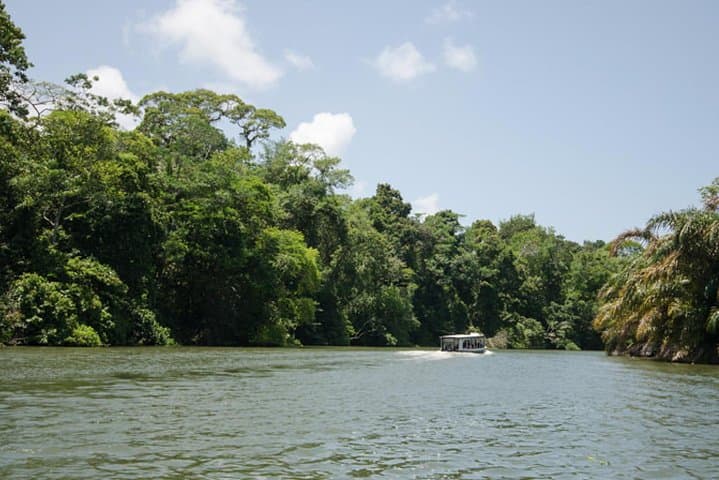
The river opens before dawn like a long, dark ribbon and the canoe slips along it, water whispering against the hull as howler monkeys check the morning from high branches. On the 3-day Tortuguero Expedition visitors trade city noise for the steady rhythm of canals, sleeping in small Caribbean-style lodges minutes from Tortuguero National Park.
Verified experiences and guided adventures in the surrounding area.
Operated by Exploradores Outdoors · Tortuguero, Limón
The river opens before dawn like a long, dark ribbon and the canoe slips along it, water whispering against the hull as howler monkeys check the morning from high branches. On the 3-day Tortuguero Expedition visitors trade city noise for the steady rhythm of canals, sleeping in small Caribbean-style lodges minutes from Tortuguero National Park.
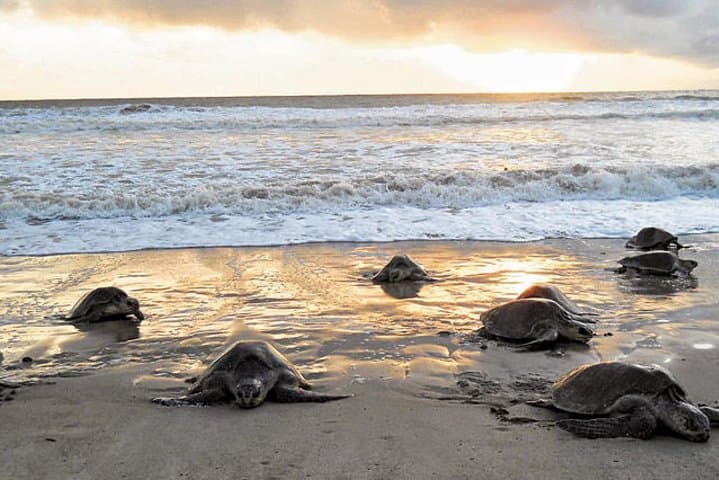
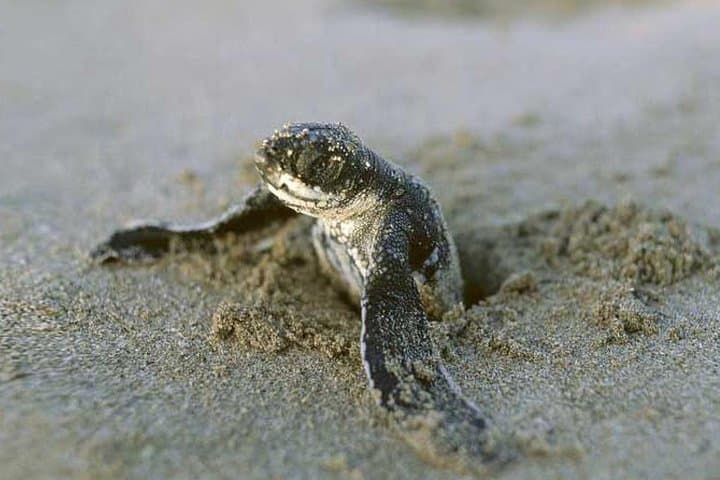
The park protects one of Costa Rica’s most important sea-turtle nesting beaches and an intricate maze of lowland rainforests cut by slow-moving canals carved from ancient alluvial deposits. Local communities reflect Afro-Caribbean culture: bright-painted guesthouses, spice-scented cooking, and guides who grew up reading tides and tide-lines. Geologically the land is flat coastal plain, fed by rivers draining the central mountains; that flatness makes wildlife concentrated along waterways and accessible by canoe.
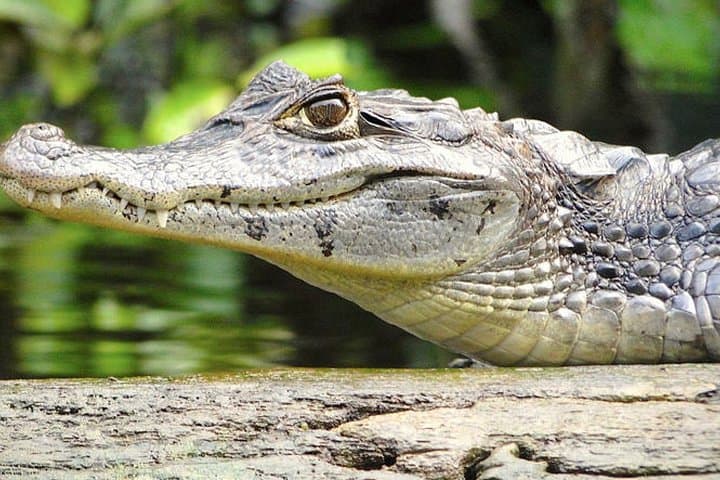
Practically, expect early starts: a 5:30 a.m. naturalist canoe tour, a guided park hike mid-morning, and optional night turtle walks in nesting season (July–October). Accommodations are simple—hot water and fans at Miss Miriam or slightly upgraded rooms at La Casona—so pack lightweight, quick-dry clothing and a good headlamp. Insects and humidity are ever-present; water-resistant bags for cameras and cash for village purchases are wise. Transfers run by boat and air-conditioned vehicle from San José, Arenal, or Puerto Viejo; travelers should have moderate fitness for short hikes and stepping on/off boats. For photographers and wildlife lovers this stretch of Caribbean lowlands delivers concentrated encounters: sloths hung in cecropia, jacanas patrolling canal edges, and sea turtles driven ashore by the pull of the moon.
moderate.
3 days.
Should be comfortable boarding small boats, walking uneven forest trails and managing early-morning starts; average fitness required.
Primary nesting runs July–October for several species; many operators offer guided night walks during that window for an extra fee and under strict park rules.
Most itineraries include a combined vehicle and boat transfer: an air-conditioned ride to the embarkation point followed by a canal boat into Tortuguero village.
Lodges like Miss Miriam (economy) and La Casona (standard) offer private baths, hot water, and fans—simple, clean, and focused on proximity to the park and conservation.
Some elements are wheelchair accessible per operator notes, but boat boarding and uneven trails may present challenges—confirm specific needs when booking.
Tortuguero National Park was created in the 1970s to protect vital sea-turtle nesting beaches and the coastal wetlands that support them, with local communities playing a major role in conservation.
Visitors should follow strict turtle-viewing rules, avoid flash photography during nesting walks, and support lodges that donate to local protection and monitoring programs.
Exploradores Outdoors operates guided outdoor trips and adventures with an emphasis on safety, stewardship, and memorable experiences.
The river opens before dawn like a long, dark ribbon and the canoe slips along it, water whispering against the hull as howler monkeys check the morning from high branches. On the 3-day Tortuguero Expedition visitors trade city noise for the steady rhythm of canals, sleeping in small Caribbean-style lodges minutes from Tortuguero National Park.
The river opens before dawn like a long, dark ribbon and the canoe slips along it, water whispering against the hull as howler monkeys check the morning from high branches. On the 3-day Tortuguero Expedition visitors trade city noise for the steady rhythm of canals, sleeping in small Caribbean-style lodges minutes from Tortuguero National Park.
The park protects one of Costa Rica’s most important sea-turtle nesting beaches and an intricate maze of lowland rainforests cut by slow-moving canals carved from ancient alluvial deposits. Local communities reflect Afro-Caribbean culture: bright-painted guesthouses, spice-scented cooking, and guides who grew up reading tides and tide-lines. Geologically the land is flat coastal plain, fed by rivers draining the central mountains; that flatness makes wildlife concentrated along waterways and accessible by canoe.
Practically, expect early starts: a 5:30 a.m. naturalist canoe tour, a guided park hike mid-morning, and optional night turtle walks in nesting season (July–October). Accommodations are simple—hot water and fans at Miss Miriam or slightly upgraded rooms at La Casona—so pack lightweight, quick-dry clothing and a good headlamp. Insects and humidity are ever-present; water-resistant bags for cameras and cash for village purchases are wise. Transfers run by boat and air-conditioned vehicle from San José, Arenal, or Puerto Viejo; travelers should have moderate fitness for short hikes and stepping on/off boats. For photographers and wildlife lovers this stretch of Caribbean lowlands delivers concentrated encounters: sloths hung in cecropia, jacanas patrolling canal edges, and sea turtles driven ashore by the pull of the moon.