THE ADVENTURE COLLECTIVE® · Independent discovery and booking for outdoor travel

A three-day, guide-led journey from Makassar into the Toraja highlands that pairs dramatic karst scenery with intimate cultural experiences—cliff burials, tongkonan houses, and ceremonial insight. Perfect for travelers who want depth over a quick photo stop.
A three-day, guide-led journey from Makassar into the Toraja highlands that pairs dramatic karst scenery with intimate cultural experiences—cliff burials, tongkonan houses, and ceremonial insight. Perfect for travelers who want depth over a quick photo stop.
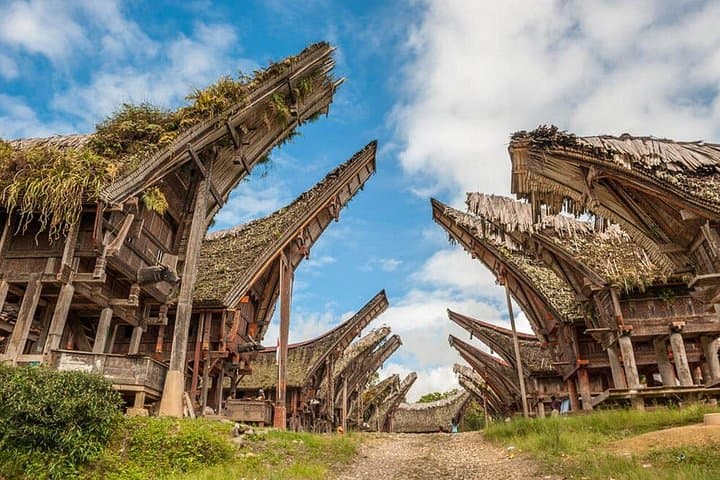
Dawn finds the bus threading out of Makassar, rice paddies shrinking behind the rear window while jagged karst cliffs near Rammang‑Rammang puncture the skyline like stone testimony. By the time travelers cross into the Toraja highlands the air cools and the roads climb; villages balance on ridgelines and tongkonan houses tilt their boat-shaped roofs toward the cloud line.
Verified experiences and guided adventures in the surrounding area.
Operated by Pacebo Tours · Rantepao, South Sulawesi
Dawn finds the bus threading out of Makassar, rice paddies shrinking behind the rear window while jagged karst cliffs near Rammang‑Rammang puncture the skyline like stone testimony. By the time travelers cross into the Toraja highlands the air cools and the roads climb; villages balance on ridgelines and tongkonan houses tilt their boat-shaped roofs toward the cloud line.
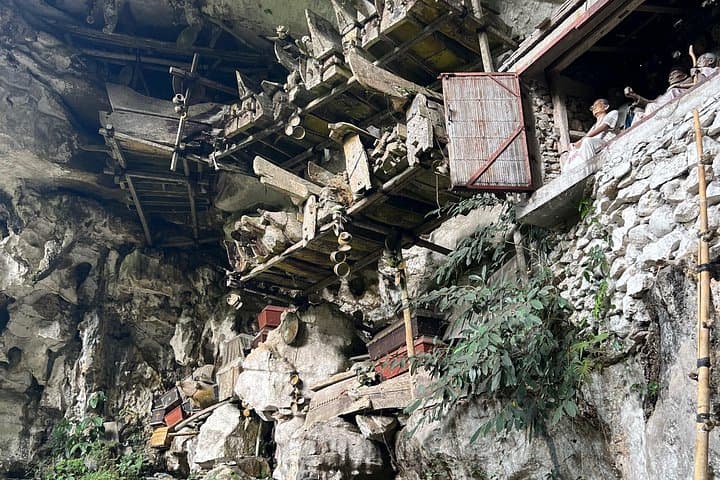
Toraja’s landscape is as integral to its culture as its rituals. Limestone cliffs hold cliff burials and hanging coffins; caves and carved niches mark families’ pasts. The highlands sit roughly 1,000–1,500 meters above sea level, sculpted by uplift and erosion into terraces and steep valleys that feed the unmistakable layered rice fields below.
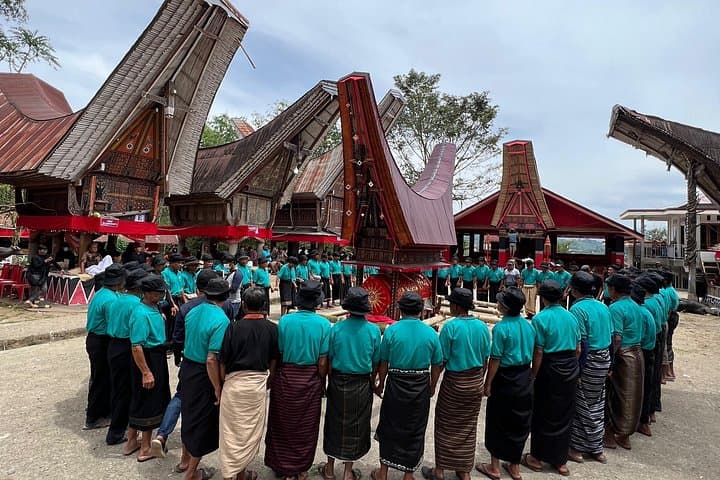
Cultural context is direct: Torajan society centers on elaborate funeral rites (Rambu Solo), tau‑tau effigies that stand watch over burial cliffs, and tongkonan houses that display buffalo horns as social ledger. Guides here translate symbolism into clear stories—why buffalo matter, how lineage is read in a roofline, where offerings are placed.
Practically, the pace is measured: long road transfers bookend two days of guided walks between village houses, cliff cemeteries, cave tombs and market stalls. Expect uneven stone steps, short steep climbs, and cool mornings that warm quickly.
Bring layers, waterproofs, comfortable treaded shoes, and small bills for local entrances and offerings. Respect local protocols around funeral sites, follow your guide, and leave time for unplanned stops — a shaded coffee stall, a terrace viewpoint — where the highland breeze does the inviting.
moderate.
3 days (approx. 72 hours including travel).
Moderate fitness — able to manage short steep hikes, stairs and uneven village trails; not suitable for those with serious spinal or cardiovascular issues.
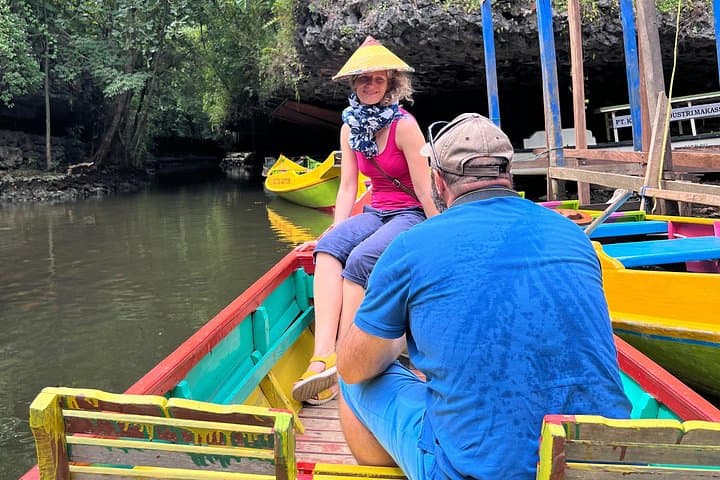
Expect about 8–10 hours by road with stops; the itinerary schedules scenic breaks and a short boat ride near Rammang‑Rammang.
Some public funeral events are open, but many are private — follow your guide’s advice and never intrude on active ceremonies without explicit permission.
Bring Indonesian rupiah in small denominations; cards and ATMs are limited in the highlands and many small vendors accept only cash.
Not recommended for people with significant spinal, heart, or mobility issues due to uneven terrain, stairs, and long transit times.
Toraja culture has long intertwined ancestor veneration and elaborate funerary rites; tongkonan house architecture and buffalo symbolism record social rank and family history.
Tourism pressure and litter can impact fragile cliff cemeteries and rice terraces; visitors should stick to paths, avoid souvenir purchases of human‑related artifacts, and support local community enterprises.
Pacebo Tours operates guided outdoor trips and adventures with an emphasis on safety, stewardship, and memorable experiences.
Dawn finds the bus threading out of Makassar, rice paddies shrinking behind the rear window while jagged karst cliffs near Rammang‑Rammang puncture the skyline like stone testimony. By the time travelers cross into the Toraja highlands the air cools and the roads climb; villages balance on ridgelines and tongkonan houses tilt their boat-shaped roofs toward the cloud line.
Dawn finds the bus threading out of Makassar, rice paddies shrinking behind the rear window while jagged karst cliffs near Rammang‑Rammang puncture the skyline like stone testimony. By the time travelers cross into the Toraja highlands the air cools and the roads climb; villages balance on ridgelines and tongkonan houses tilt their boat-shaped roofs toward the cloud line.
Toraja’s landscape is as integral to its culture as its rituals. Limestone cliffs hold cliff burials and hanging coffins; caves and carved niches mark families’ pasts. The highlands sit roughly 1,000–1,500 meters above sea level, sculpted by uplift and erosion into terraces and steep valleys that feed the unmistakable layered rice fields below.
Cultural context is direct: Torajan society centers on elaborate funeral rites (Rambu Solo), tau‑tau effigies that stand watch over burial cliffs, and tongkonan houses that display buffalo horns as social ledger. Guides here translate symbolism into clear stories—why buffalo matter, how lineage is read in a roofline, where offerings are placed.
Practically, the pace is measured: long road transfers bookend two days of guided walks between village houses, cliff cemeteries, cave tombs and market stalls. Expect uneven stone steps, short steep climbs, and cool mornings that warm quickly.
Bring layers, waterproofs, comfortable treaded shoes, and small bills for local entrances and offerings. Respect local protocols around funeral sites, follow your guide, and leave time for unplanned stops — a shaded coffee stall, a terrace viewpoint — where the highland breeze does the inviting.