THE ADVENTURE COLLECTIVE® · Independent discovery and booking for outdoor travel

A compact three-day circuit from Hurghada that visits Luxor, Aswan, Edfu and Kom Ombo—ideal for travelers who want concentrated access to Egypt’s greatest temples with guided interpretation and included transport.
A compact three-day circuit from Hurghada that visits Luxor, Aswan, Edfu and Kom Ombo—ideal for travelers who want concentrated access to Egypt’s greatest temples with guided interpretation and included transport.
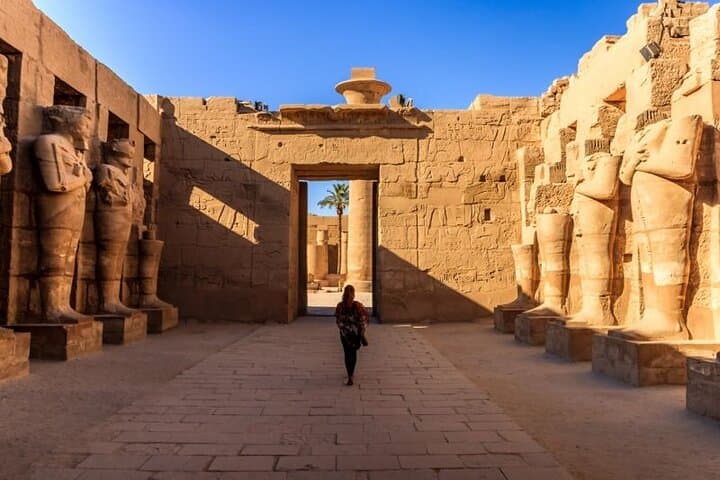
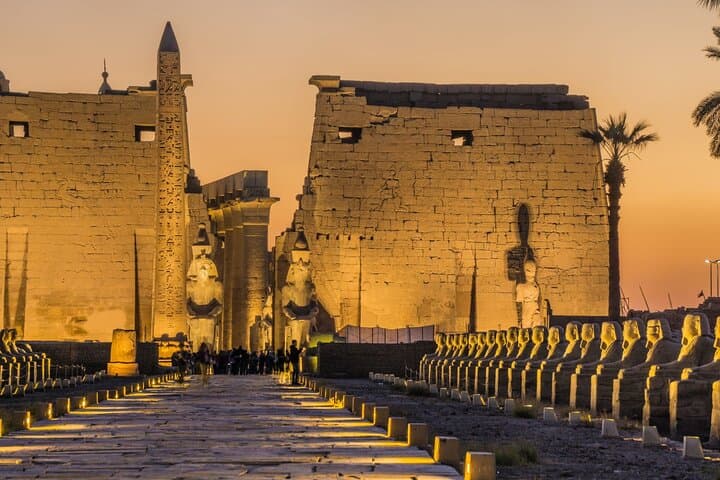
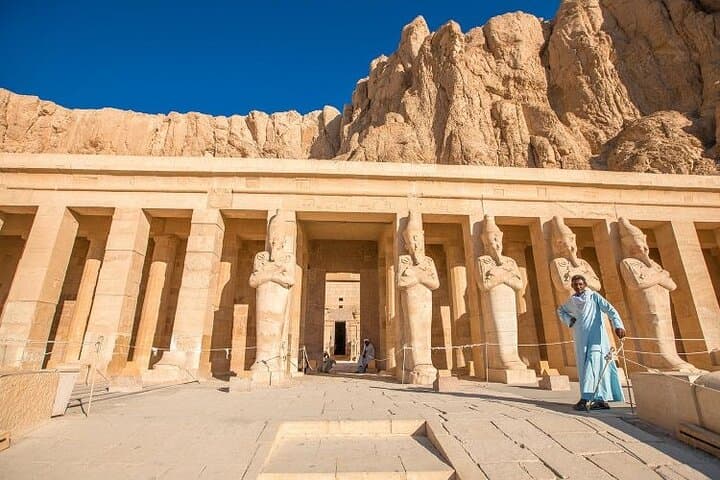
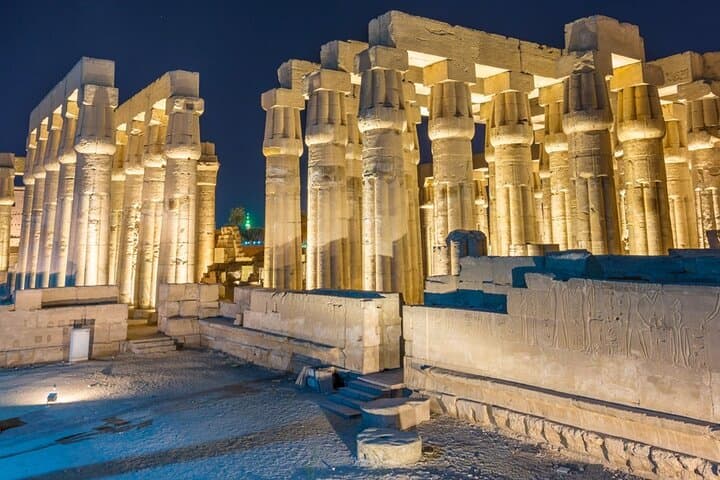
Morning light breaks over the Red Sea as the coach pulls away from Hurghada and the desert unfurls toward the Nile. Dusty plains give way to the river’s thin green ribbon; every hour on this three-day circuit feels like stepping through Egyptian history. You’ll stand beneath Karnak’s avenue of columns, walk the cool, narrow cuts of the Valley of the Kings and watch Hatshepsut’s terraces climb from the desert like deliberate geometry.
Verified experiences and guided adventures in the surrounding area.
Operated by ToursMo · Hurghada, Red Sea Governorate
Morning light breaks over the Red Sea as the coach pulls away from Hurghada and the desert unfurls toward the Nile. Dusty plains give way to the river’s thin green ribbon; every hour on this three-day circuit feels like stepping through Egyptian history. You’ll stand beneath Karnak’s avenue of columns, walk the cool, narrow cuts of the Valley of the Kings and watch Hatshepsut’s terraces climb from the desert like deliberate geometry.
These sites span millennia: limestone cliffs that held royal tombs, sandstone and granite shaped by pharaohs and later engineers. In Aswan, granite quarries reveal the unfinished obelisk still cleaved from bedrock; nearby, the High Dam illustrates 20th-century ambitions that created Lake Nasser and required the relocation of Philae Temple to safer ground. Kom Ombo’s twin sanctuaries and Edfu’s preserved reliefs make myth and ritual visible on stone surfaces polished by time.
Practical side: expect long but gentle days—most walking is on paved or compacted paths with stairs inside tombs and temples. Temperatures can be extreme; schedule visits early or late in the day when possible. Comfortable walking shoes, sun protection and a refillable water bottle will improve every stop. Guides typically include entrance fees and hotel transfers; bring cash for tips, small purchases and local vendors.
The rhythm of this tour is steady: drive, explore, eat, sleep, repeat—each loop along the Nile reveals different scales of Egyptian ingenuity, from monumental columns to the tiny carved scenes inside tombs.
easy.
3 days.
Suitable for travelers who can walk short distances, climb some stairs and tolerate long coach transfers
Most major entrance fees listed in the itinerary are included; check your booking confirmation for specifics and any optional extras.
Tours typically include hotel pickup within Hurghada—confirm your pickup point when you book and allow extra time for transfers.
Modest clothing is recommended: shoulders and knees covered; lightweight layers work best in heat.
Smaller vendors and tips are usually cash-only (Egyptian pounds); larger hotels and some museums accept cards—carry small bills for convenience.
The monuments span New Kingdom pharaonic power to modern engineering: temples and tombs were carved, extended and reused across dynasties; the Aswan High Dam reshaped the region’s hydrology and required relocating priceless sites.
Tourism revenues support conservation programs, but sites remain vulnerable to erosion and pollution—minimize impact by staying on paths and avoiding flash photography where restricted.
ToursMo operates guided outdoor trips and adventures with an emphasis on safety, stewardship, and memorable experiences.
Morning light breaks over the Red Sea as the coach pulls away from Hurghada and the desert unfurls toward the Nile. Dusty plains give way to the river’s thin green ribbon; every hour on this three-day circuit feels like stepping through Egyptian history. You’ll stand beneath Karnak’s avenue of columns, walk the cool, narrow cuts of the Valley of the Kings and watch Hatshepsut’s terraces climb from the desert like deliberate geometry.
Morning light breaks over the Red Sea as the coach pulls away from Hurghada and the desert unfurls toward the Nile. Dusty plains give way to the river’s thin green ribbon; every hour on this three-day circuit feels like stepping through Egyptian history. You’ll stand beneath Karnak’s avenue of columns, walk the cool, narrow cuts of the Valley of the Kings and watch Hatshepsut’s terraces climb from the desert like deliberate geometry.
These sites span millennia: limestone cliffs that held royal tombs, sandstone and granite shaped by pharaohs and later engineers. In Aswan, granite quarries reveal the unfinished obelisk still cleaved from bedrock; nearby, the High Dam illustrates 20th-century ambitions that created Lake Nasser and required the relocation of Philae Temple to safer ground. Kom Ombo’s twin sanctuaries and Edfu’s preserved reliefs make myth and ritual visible on stone surfaces polished by time.
Practical side: expect long but gentle days—most walking is on paved or compacted paths with stairs inside tombs and temples. Temperatures can be extreme; schedule visits early or late in the day when possible. Comfortable walking shoes, sun protection and a refillable water bottle will improve every stop. Guides typically include entrance fees and hotel transfers; bring cash for tips, small purchases and local vendors.
The rhythm of this tour is steady: drive, explore, eat, sleep, repeat—each loop along the Nile reveals different scales of Egyptian ingenuity, from monumental columns to the tiny carved scenes inside tombs.